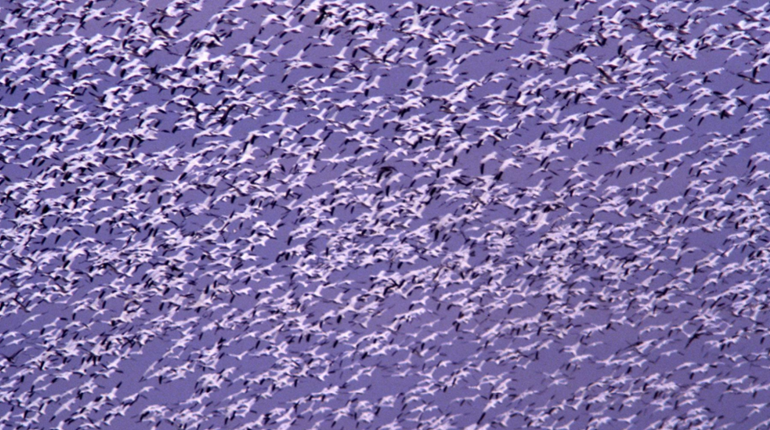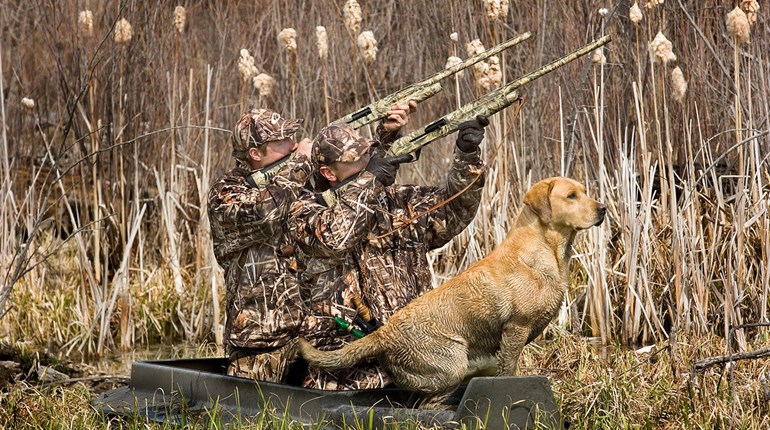
According to OutdoorNews.com, one of North America's most liberal waterfowl bag limits is afforded to the tribal members in the 1837 and 1842 treaty areas of Minnesota, Wisconsin and Michigan. Duck hunting in these areas opened September 1 and closes Dec. 31; tribal members are permitted a daily bag limit of 50 ducks (any combination of species) and 20 geese.
Sound like a lot? Bear in mind that these are strictly subsistence hunts, and participation by Native Americans is actually quite low. In an interview by OutdoorNews.com, Great Lakes Indian Fish and Wildlife Commission biologist Peter David said deer and moose generate much more interest.
"The short story is, the waterfowl stuff never has been highly participated in," he said.
David estimates that about 100 individuals participate and—despite the generous bag limit—most shoot about as many ducks as you or me, averaging two ducks daily.
However, there's an even rarer opportunity on the cusp of approval: OutdoorNews.com reports that David is "99 percent" certain a trumpeter swan season will be held in the 1837 and 1842 areas. It would begin Nov. 1 with a daily bag limit of two. The season would close Dec. 31 or once a quota of 10 trumpeters had been reached. Tribal members may also shoot two sandhill cranes daily.
“It will be a very limited harvest,” David told Outdoor News, adding that in the past two years only two cranes were killed each season. "... I would expect the harvest (of swans) to be the same."
Still, this is a special, potential opportunity. Non-tribal members haven't hunted trumpeters in many decades, due to the disastrous toll European settlers took on swan populations. Prior to the 1916 Migratory Bird Treaty Act, trumpeters were shot year-round for their meat and down—even their young were plucked from nests.
Tundra swans, on the other hand, are a rare but more common opportunity. Utah, Montana and Nevada offer seasons; only Virginia (600 permits) and North Carolina (5,000 permits) hunt them in the east.
Given these unique hunting regulations, I wonder if more tribal members will participate in 2014.