Farming in Pheasant Country? Consider a "Flushing Bar"

by
posted on May 12, 2014
** When you buy products through the links on our site, we may earn a commission that supports NRA's mission to protect, preserve and defend the Second Amendment. **
dogs_ah2015_fs.jpg (29)

Pheasant country and prime agricultural areas tend to go hand-in-hand, so this time of year many farmers encounter nests while discing the earth or mowing fields. Unfortunately the hens' instinct is to sit tight and wait out the threat—not the best strategy with a tractor bearing down on you. According to Pheasants Forever, in some cases hen mortality due to spring farming practices can even have a noticeable impact on localized populations. So, what can be done?

Outdoor writer John Pollman has an interesting piece in the Argus Leaderregarding a simple device known as a "flushing bar". It attaches to the front of farm machinery and—you guessed it—flushes hens from the nest before the blades arrive. The nest will still likely be destroyed, but at least the hen will survive to nest again.

"Pheasants are resilient nesters," said Pheasants Forever biologist Mike Blaalid, in an interview by Pollman. "If a nest is destroyed, the majority of those hens are going to try again, probably within a week, to re-nest in undisturbed cover close-by."

There can be no renesting, of course, by hens if they're killed. According to Pollman, research indicates that flushing bars can reduce nesting hen mortality by a whopping 60 percent. For more on the statistical impact that could have, be sure to read the full story.

Its focus is on pheasants, but I wonder what impact such devices could have on all upland and grassland nesters. The bars create a disturbance in the brush, warning animals that the danger is drawing near. Could this not flush nesting waterfowl, turkeys and even whitetail fawns away from the approaching mower?

Truly this is a simple conservation tool for any farmer who encounters wildlife during the spring months to consider.
Latest

LEDE Bighorn
LEDE Bighorn

Copper Mine Helps Boost Arizona’s Bighorn Population

One of the world’s most productive copper mines is also one of Arizona’s most reliable sources of Rocky Mountain bighorn sheep. The bighorns are not shy about entering the Freeport McMoRan open-pit mining operation—near Morenci, Ariz.—but predators are. As a result, there’s no natural check on sheep population growth.

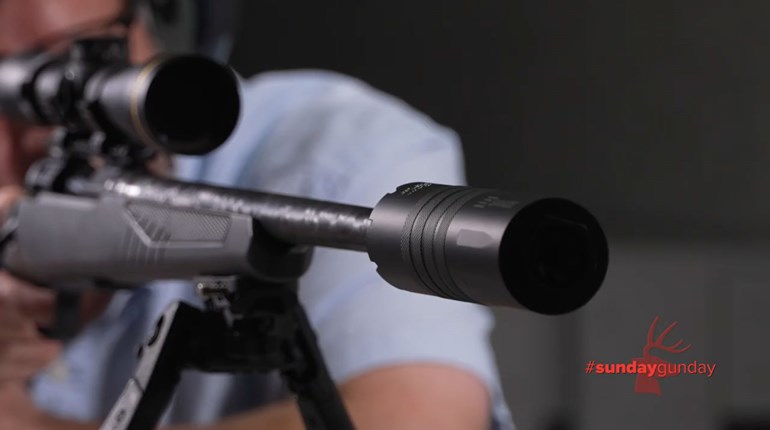
#SundayGunday: Savage Arms AC30 B.O.B. Suppressor

This week, Shooting Illustrated's Jay Grazio makes a guest appearance to showcase the Savage Arms AC30 B.O.B. suppressor.

Upland Birds of the Wild West

Big game attracts many hunters to the West, but the region is also home to some of the country’s best upland bird hunting.

Big Buck Business: Whitetail Gear Roundup

Have you noticed some holes in your deer kit this season? Some shortcomings that need addressing? Check out this roundup of whitetail gear tailor made for dropping big bucks.

NRA Foundation Donates $30,000 to Help Feed Missouri Families

The NRA Foundation has once again stepped up to fight hunger in Missouri, donating $30,000 to help feed children and families across the state through a partnership with the Conservation Federation of Missouri (CFM), Feeding Missouri, and the Share the Harvest Program.

New Video Demonstrates Benefits of School Programs on Conservation

The latest Partner With a Payer video released by the U.S. Fish and Wildlife Service highlights the impact of youth shooting sport programs and the role they play in long-term conservation funding.

Interests


Get the best of American Hunter delivered to your inbox.