South Dakotans Enjoy Tremendous Pheasant Opener

by
posted on November 10, 2014
** When you buy products through the links on our site, we may earn a commission that supports NRA's mission to protect, preserve and defend the Second Amendment. **
dogs_ah2015_fs.jpg (70)

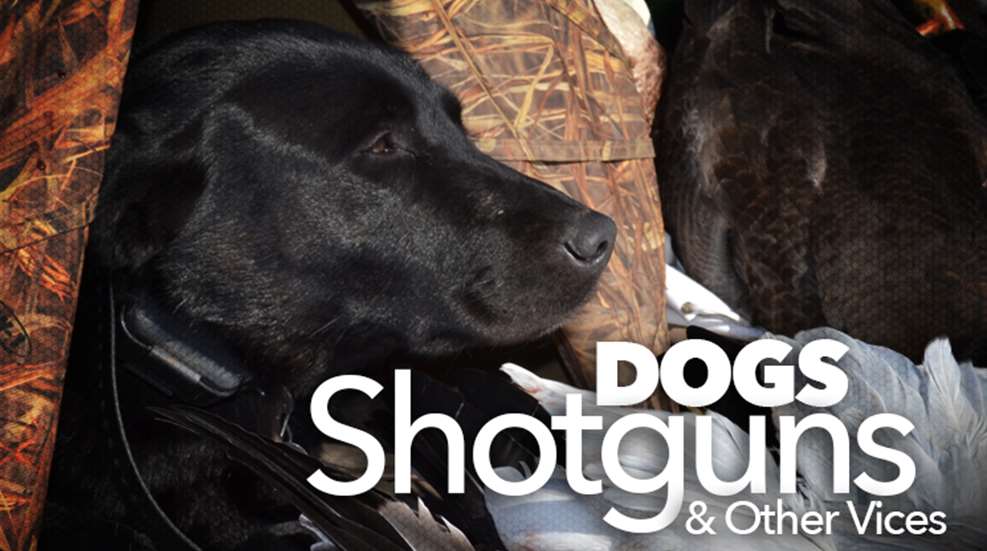
With South Dakota's pheasant-brood survey up 76-percent over last year, all signs pointed to a fantastic season opener on October 18. However I'll bet few expected it to kick off quite as well as it did.

According to field reports compiled by the South Dakota Department of Game Fish and Parks, hunters in nearly every county averaged at least half a limit. Many counties' hunters averaged 2 to 2.5 birds, while remarkably—and this makes me downright jealous of South Dakotans—hunters in the western region's Ziebach County averaged a 3-bird limit.

"We know bird numbers are higher this year due to excellent reproduction in parts of the state where quality habitat conditions still exist, primarily on grasslands including those enrolled in the Conservation Reserve Program as well as fields of cereal crops such as winter wheat," said Jeff Vonk, Secretary of the South Dakota Game, Fish and Parks.

Here are the specifics, per SDGFP:

Central Region, Nathan Baker, GFP regional game manager
For most areas in central South Dakota, hunters averaged 1.5 birds each.In Hughes, Sully, Potter and Stanley counties, hunters averaged 2-2.5 birds each.

• Northeast Region, Jacquie Ermer, GFP regional game manager
• In northeast South Dakota, Spink county reported hunters averaging 2 birds each.
• In McPherson, Faulk and Edmunds counties, hunters averaged 1 bird each.

Southeast Region, Julie DeJong, GFP regional game manager
• In Beadle, Aurora, Hutchinson and Bon Homme counties, hunters averaged 1-1.5 birds each.

Western Region, John Kanta, GFP regional game manager
• In Bennett and Perkins counties, hunters averaged 1.5 birds each.
• In Ziebach county, hunters were limiting out, with 3 birds per hunter.

Latest

Ledehow Do You Compare

How do you Compare to the Average Hunter?

There is no “average” hunter, although don’t be surprised if you’re more run-of-the-mill than you think after seeing the results of the “2025 Hunting Industry Insights” report. The survey, conducted by Untamed Outdoor Agency (UOA), focused on what might be the most active demographic—sportsmen between the ages of 32 and 52.

Says You: Trail Camera Overkill?

Editor-in-Chief Scott Olmsted's monthly response column to questions posed by our members. This week, we're discussing mountain lions, poaching and trail camera use.

New for 2026: Trijicon SRO Green Dot

Trijicon has announced a 2.5 MOA, Green Dot version of the SRO reflex sight. The new model will be available in Black and Coyote Brown anodized finishes.

More Than $6.6 Million in Tribal Wildlife Grants to Advance Conservation

The U.S. Fish and Wildlife Service (USFWS) is awarding more than $6.6 million to federally recognized Native American and Alaska Native tribes to benefit fish and wildlife resources and their habitats. This year’s funding will support 35 tribes for conservation projects across 15 states, benefiting a wide range of wildlife and habitat, including species of cultural or traditional importance to Indigenous communities.

Hardware Review: TriStar KR.22

TriStar is noted for shotguns, but Bryce Towsley recently received a test gun from them that’s much different. Check out his review on the TriStar KR.22.

New for 2026: Browning Trail Cameras' Security Tree Strap

Browning Trail Cameras has released a Security Tree Strap, a durable and dependable mounting solution to keep trail cameras in place in nearly any environment.

Interests


Get the best of American Hunter delivered to your inbox.