People often ask me what my favorite kitchen tool is. This, of course, depends on what’s for dinner. If there is meat on the menu, and there often is, these are the top 10 items I rely on to ensure that the final result is as delicious as it can be and that nothing is wasted.
Meat thermometer—This is so important and often overlooked. Overcooked meat, especially overcooked wild game, can be quite unappetizing. Overcooking is what gives wild game the “gamey” flavor that gives it a bad reputation. Having a well-calibrated, digital meat thermometer on hand at all times will give you a better result. I recommend getting a new one every year—they’re inexpensive and accuracy is important.
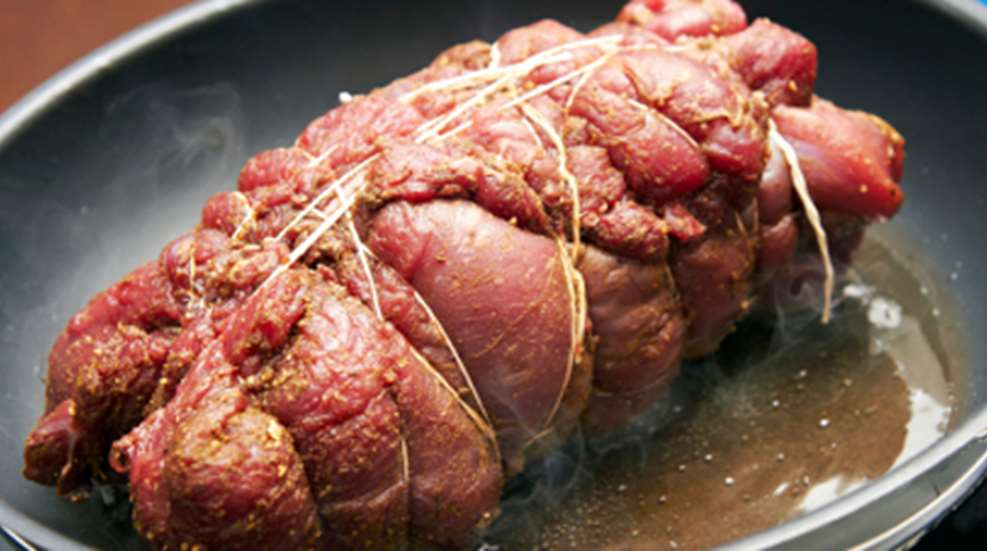
Kitchen twine—Whether it’s used for trussing a pheasant, tying a roast or hanging a duck prosciutto, kitchen twine is endlessly useful. When you use it to truss before cooking it ensures that the meat cooks uniformly.
Toothpicks—Smaller portions of meat, especially small birds, only need a toothpick to secure the wings and legs, not kitchen twine. Toothpicks also come in handy when layering a dry skinless piece of meat with bacon or lard. It ensures that the layers stay secure as the protein cooks and stay moist under the fat.
Dutch oven—A medium-size Dutch oven is one of the most versatile cooking vehicles. It is great for roasting a whole bird, braising a venison roast or making a stew or chili. And the heavy nature of the pot ensures that it conducts heat evenly for the best flavor.
Cast-iron skillet—I cook and bake just about everything in a skillet. I love that you never clean it in the same way you do traditional pots and pans, and the more you use it, the better seasoned it becomes. This is something that I always like to have in an outdoor setting because it is hearty and versatile.
Large plastic brining bags—Most meat, especially game meat, benefits from a brine or marinade before cooking. In some cases, the cut of meat will be inedible without this pre-cooking technique. The easiest way to do it is to place the protein in large brining bags and add the liquid for the marinade, brine or rub.
Thin boning knife—I use this to remove silver skin and to do fine finish work on tenderloins and backstraps. It is also useful in butchering smaller animals. And then, when a bird has been roasted, it is useful in quartering it into serving portions. The idea is that the blade is flexible so that it allows you to work in the crevices and contours.
Meat mallet or heavy rolling pin—There are times when a thin cutlet, breaded and quickly fried, is all you need, and in that cause, a meat mallet or heavy rolling pin is the only tool you’ll need to prepare the dish. Whenever preparing slices, cut them on a bias against the grain, then put them between two sheets of plastic wrap and pound them gently. After that, all they’ll need is a sprinkle of flour and a quick fry.
Spice grinder—My preferred way to use spices is to buy them whole and grind them as I need them. The flavor of spices—especially pre-ground spices—goes stale after three months or so. Their life can be prolonged in the freezer, but when making spice rubs and marinades, the most vibrant flavor comes from grinding the spices fresh each time you need them. A coffee grinder will also work here, you’ll just want to make sure you rinse it thoroughly between making coffee and grinding spices!
Cheesecloth—I use cheesecloth for many things: straining cooking liquid so that I can turn it into a sauce, covering cured meats as they hang and making a small package of herbs—secured with kitchen twine—to drop into a stock as flavoring. This is something that can be stored away for a long time and cut into various sizes as needed.
These are my favorites, but what are your favorite go-to kitchen tools for preparing meat? Leave us a note in the comments so we can learn from each other!