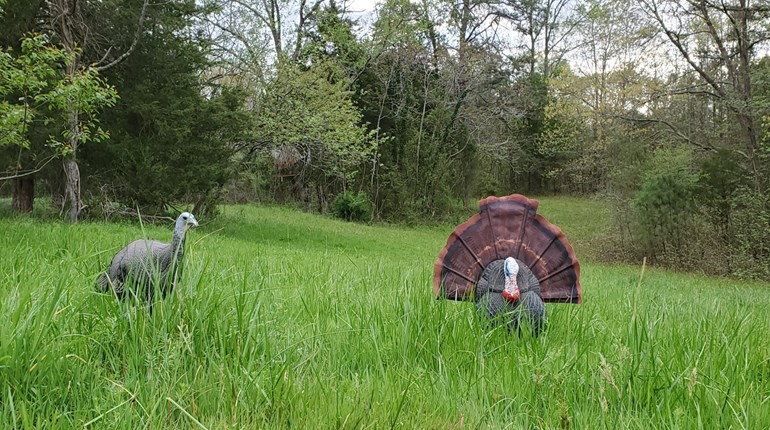
Spring has arrived, and, of course, we’ve got a forecast calling for snow. It won’t last, and soon temps will climb back into the 60s and perhaps the low 70s. A lot of guys are getting worked up in anticipation of turkey season. I’ve killed three turkeys, and while turkey hunting is OK by me, I confess that I am not struck with the turkey bug. What trips my springtime trigger is shooting picket pins (ground squirrels) and prairie dogs.
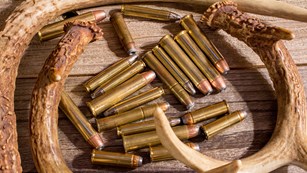
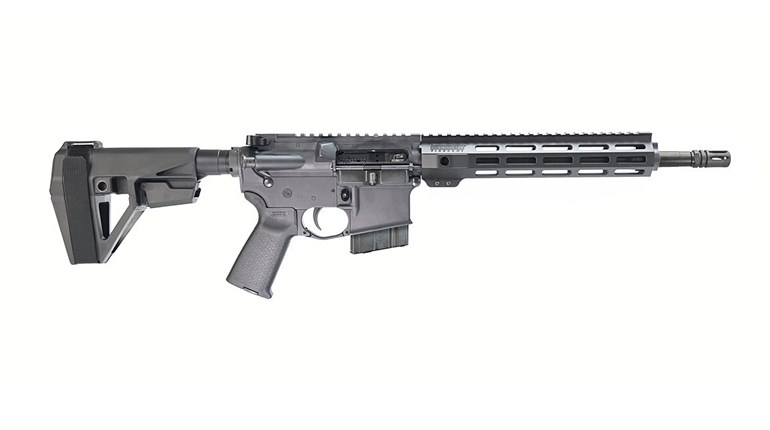
It used to be for me that there was but one good cartridge for this kind of varminting—the .22-250 Remington—and it still remains my top choice when the shooting exceeds 400 yards. Finding a spot to shoot at very long range that has a population worthy of a setup is getting harder to find, even out here in Wyoming. So I often have to get my vermin-shooting appetite whetted at shorter ranges. For years, I’ve turned to a couple of bolt-action rifles in .223 Remington for this kind of shooting, but about five years ago I really began taking to an AR platform for popping pasture poodles and such. Here’s why:
A relatively well-tuned AR is as accurate as all but the most finely tuned bolt action—and these super-tuned bolt actions often weigh upward of 20 pounds. An 8- to 9-pound AR is much easier to transport and set up. Too, the ability to simply change magazines in the middle of a hot shoot is a distinct advantage. I simply load up my supply of mags the night before the shoot and have a day or so ready to go. I like shooting much more than loading magazines. Here’s a tip: If you’re shooting from a portable bench or rest, get a supply of 20-round magazines. The 30-rounders are too long to be of much use from a rest or table.
Shooting thousands of these vermin over the years has taught me more about long-range shooting than any other exercise, including the range. This kind of field shooting requires you to estimate range, wind direction and speed and identify targets that are often somewhat camouflaged or not entirely revealed. When you can consistently tag a 3- by 8-inch critter at the better part of a quarter mile under field conditions, that buck across a hay field at the same range won’t be much of a problem.