I’m gearing up for dove season, salivating at the thought of new meat for my freezer. In the meantime, I’m finishing off the last steaks in my larder, and in case you are doing the same, here are my top five tips for getting the most out of your wild-game steaks.
1. Age it First.
Young animals have very little collagen between their muscle cells, but as an animal gets older, more develops. Natural enzymes break down this collagen as the meat ages, so the longer it hangs, the more tender it becomes. This is why aged steaks are so expensive—they takes extra time and energy, both of which cost money.
Since any meat that is aged tastes better than meat that is not, it would seem logical that all modern meat producers would age their meat—but they don’t. It is simply a matter of time and economics—an unwillingness to tie up product in cold storage and lose 20 percent of the meat’s original weight to evaporation in the name of taste. The number of days between processing and the dinner table are very few. Your supermarket beef may only age a few days, which means it usually falls short of its full flavor potential.
The good news is that you can age meat in your own kitchen. It is simply a matter of leaving it uncovered in the refrigerator for several days to allow for evaporation (in the case of roasts and other large cuts), or storing it tightly wrapped (in the case of steaks and smaller cuts). After the extra aging, all you have to do is trim off any discolored or dry spots that occurred from drying and oxidation.
2. Always Cook it Rare.
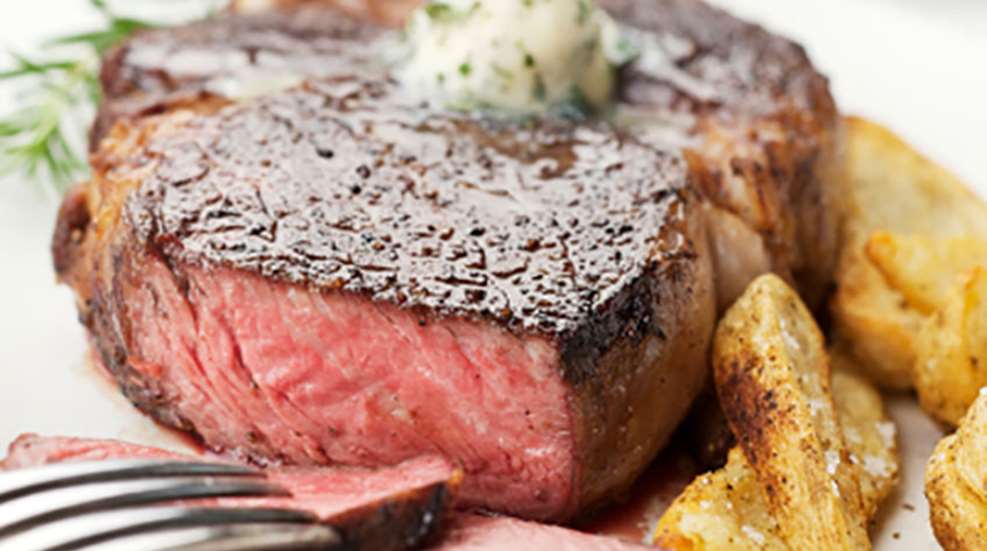
This occasionally causes a heated debate for me, but I strongly believe that there is no point in cooking red meat wild-game steak unless you cook it to no more than medium-rare, and preferably rare. Because of its mixed diet and abundance of exercise, wild game has unique and complex flavors that can’t be found in a grocery store. This is what turns people onto wild game over beef. But because wild game has a lower fat content, it cooks much more quickly and dries out easily, also heightening the “wild” flavor people often dislike. It doesn’t take long for a wild-game steak to turn into a gray brick, with a gamy flavor and dry texture. It requires much more care and attention than beefsteak, but the end result is so much better than any other meat you can get your hands on.
One way to ensure that you don’t overcook a steak is to use thicker cuts of meat. If you need to cook a thinner cut, be prepared to cook the meat for a very short time—around a minute or two per side. It is difficult to test temperatures of steak with a thermometer because the cuts often aren’t large enough (an internal temperature of no more than 130-140˚F is ideal), so I use a common method you’ll see in most professional kitchens—I feel it. When pressed with your fingers, a rare steak should feel very similar to the muscle between your thumb and your index finger when they are stretched apart.
3. Don’t Be Afraid of Salt.
Using a small amount of salt to season steak before cooking actually helps keep it moist during the process. You can salt a steak far in advance if you’d like or do so just before cooking, but it is important to let it come to room temperature before searing—ideally in a cast iron skillet—so that the heat is conducted evenly throughout the meat.
4. Begin With Oil, End With Butter.
I always start the pan with a bit of grapeseed oil or vegetable oil because they have a higher smoking point than olive oil. But I always finish the steak with a dollop of butter. Oil is great for browning meat and caramelizing the proteins at the surface to lock in moisture, but adding a bit of butter at the end to finish the steak and glaze it gives it extra flavor. The butter browns along with the steak, giving it a nutty, rich quality. Sometimes I’ll also throw in a few sprigs of fresh thyme with the butter, and as the butter melts, baste the steak with a spoon for a few minutes, which slows down cooking by cooling the steak’s surface.
5. Let it Rest.
I like to remove the steak from the pan right before it is fully done, because it will continue to cook as it rests. It is important to let all meat rest for at least 15 minutes before you serve it. This allows the flavorful juices to retreat back into the center of the meat as it cools. Cutting into it too soon will release all of the juices onto the cutting board. It is ideal to have tin foil ready and completely enclose the meat in tin foil before cutting into it.
What are your best tips for cooking wild-game steak?