I spend a great deal of my time around other hunters, and one thing I’ve learned is that there is a late season lull that impacts sportsmen. It’s not just the shorter days, gray skies and cold temperatures that seem to weigh on hunters during winter. Instead, it’s the passing of autumn, the time of year we look forward to so much each year. The whitetails are no longer rutting and, like everything else in the woods, they seem to be hiding. Waterfowl have wisely migrated to warmer climates, and we’re still months away from turkey season. There are no food plots to be planted, and the bucks haven’t dropped their antlers yet so shed hunting is out of the question. Sometimes it seems the best thing for a hard-core hunter to do in late winter is hibernate.
If you find yourself in that late-season funk and don’t know what to do I suggest that you bundle up, gather some friends, and go on a small-game safari. I’ve dealt with the past-deer season blues, but I’ve come to realize that winter is a wonderful time to be out in the woods and fields and there are still plenty of opportunities to fill your game bag.
Late Season Bushytails
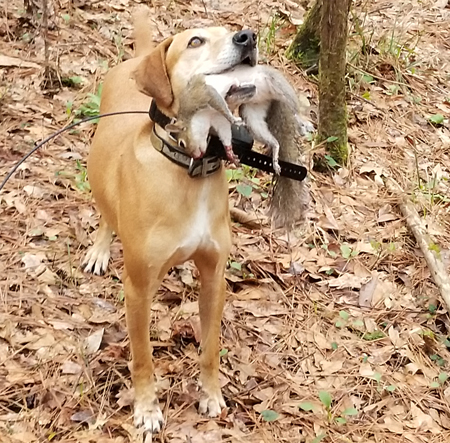
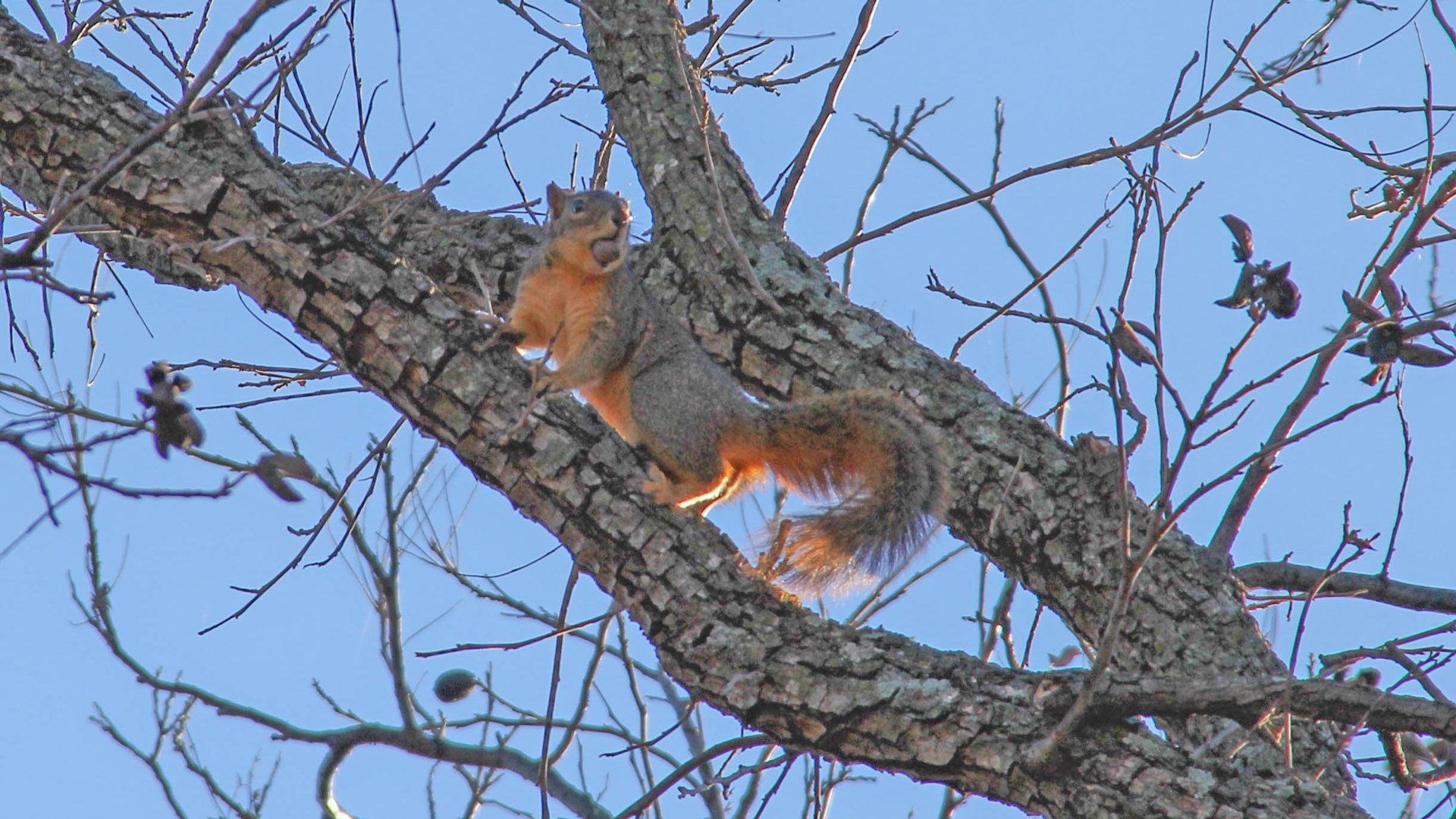
September and October have long been considered prime time for squirrel hunters. Late summer and early fall is the time when crops like acorns and hickory nuts are most abundant, and it’s also a season of peak activity for squirrels. Both fox and gray squirrels busy themselves in autumn storing up reserves for winter, and it’s rare to sit under a productive hickory tree that time of year for any length of time without hearing the unmistakable gnawing of a squirrel carving up a hickory nut.
It would seem, then, that early autumn is prime time for squirrels. I disagree. Squirrels mate in December and January to time births in the early spring, so winter is the rutting period for squirrels. And, like whitetails, male squirrels pick up the sent of a female in estrous and follow her. When multiple males follow a female in estrous fights often break out, and these brawls are sometimes so fierce that the combatants will fall out of the trees and bounce on the leaf litter below. Needless to say, the squirrels drop their guard against human predators. If you’ve done your homework and have identified areas or specific trees that squirrels frequent you’re just as likely to be successful on squirrels in winter as you are in autumn.
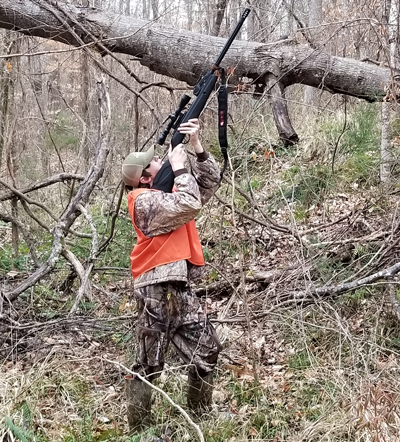
Winter offers a major advantage over fall because by December the leaves have almost all dropped from the deciduous trees. Just because you can hear a squirrel doesn’t mean you will get a shot, and one of the cruelest tricks Mother nature played on squirrel hunters is that hickory trees have some of the largest and most densely packed leaves of any tree species in the eastern United States.
Late season is also a great time to take young hunters to the field. Hunting squirrels is a low-pressure pastime, too, and many kids aren’t as overwhelmed hunting squirrels as they are taking a shot at a target buck. There’s generally a lot of action while small-game hunting compared to hours sitting and waiting on whitetails.
Chasing Cottontails
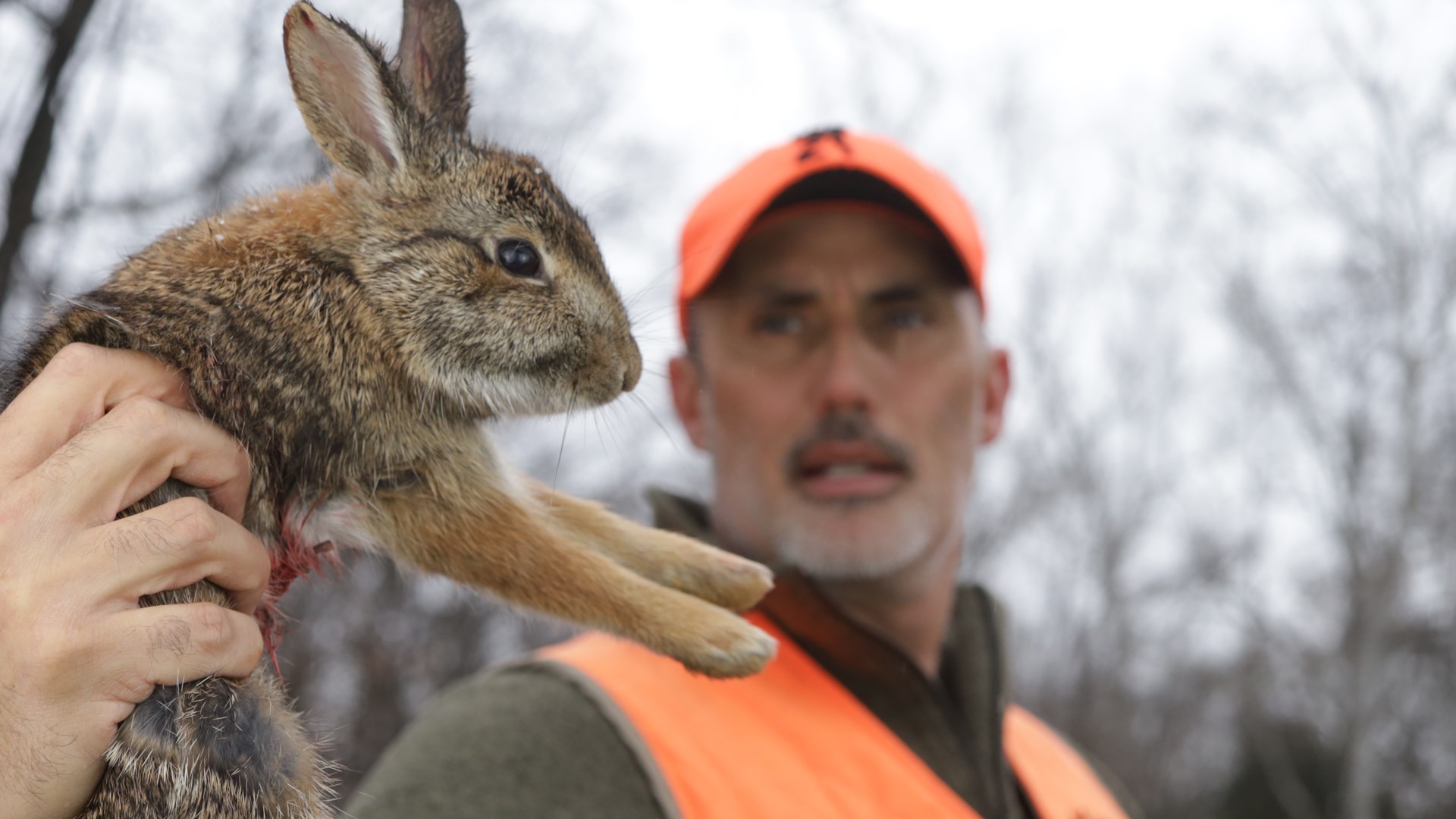
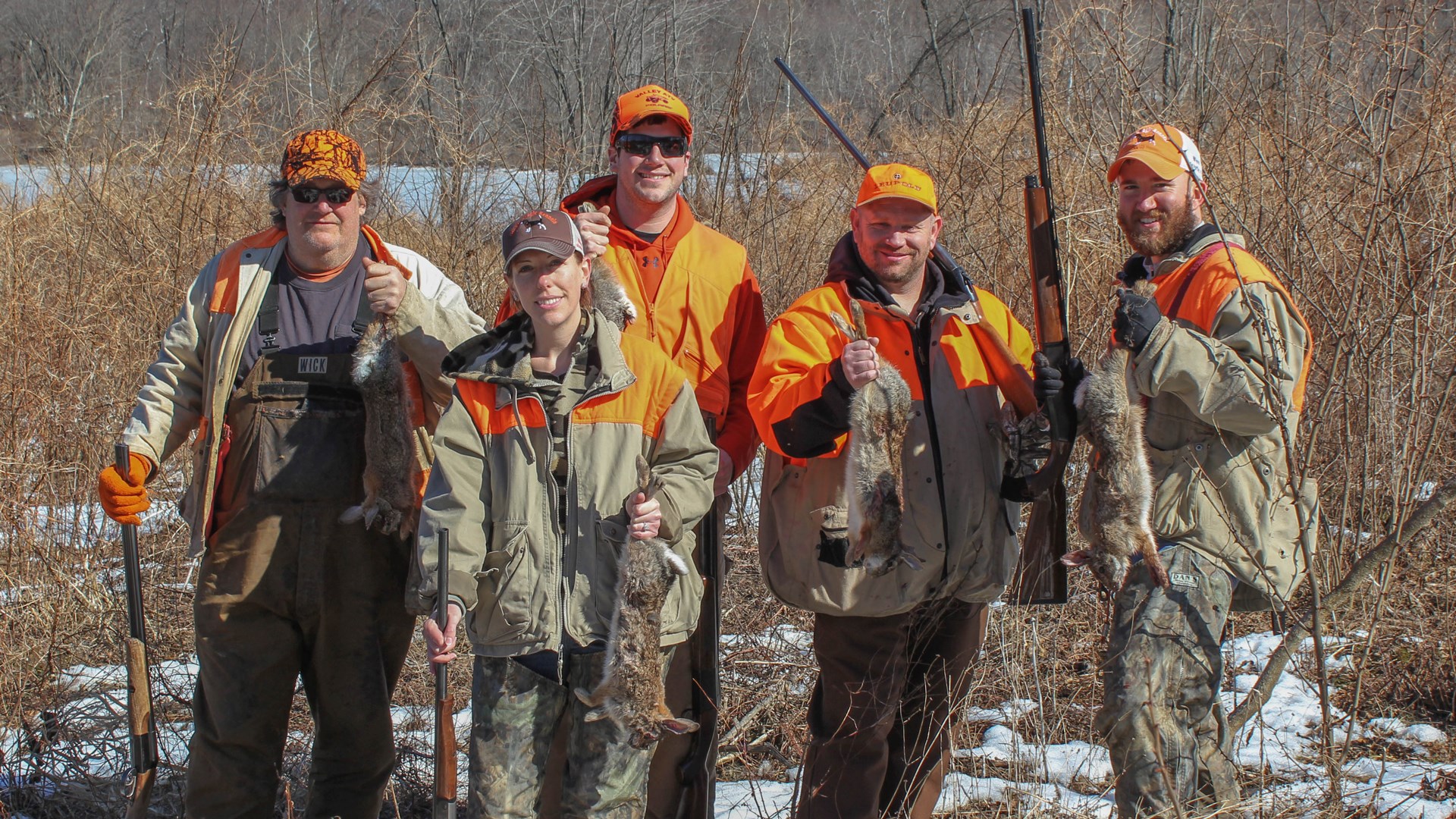
I love hunting deer, but there’s also a part of me that enjoys when whitetail season draws to a close. In my home state of Ohio, that means I have an entire month to hunt cottontails with my hounds, and even public land that is densely packed with hunters during deer season is largely deserted by February.
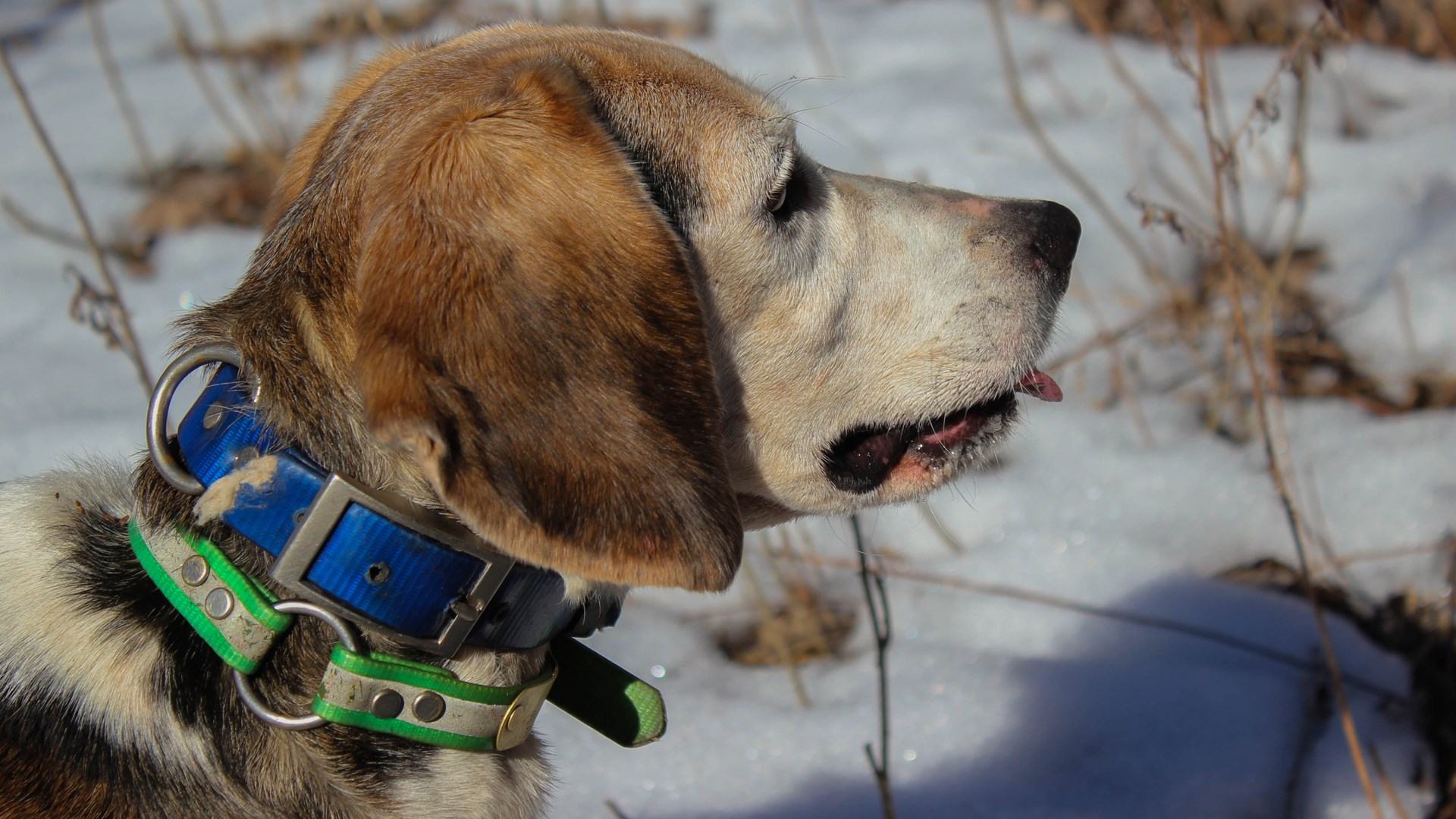
A big briar patch and a few fresh inches of snow is a recipe for late-season cottontail action, especially if you have a beagle or two. One of my favorite aspects of running beagles for bunnies is that it doesn’t require an early morning wakeup call. Much as I love to hunt I’ve never been much of a morning person, and running rabbit hounds allows me to get up later.
I’d rank listening to a pack of beagles at full voice while they run a hot cottontail track as one of hunting’s greatest thrills, and I enjoy it as much today as I did when I was in elementary school. Rabbit hunting is a social event that’s good for hunters of any skill level. You gather around while the hounds race from the boxes, catching up with old friends until the moment when one hound “strikes” (barks to indicate they’ve found a fresh track). One by one the other dogs fall in line, the old hounds that are wise to the ways of rabbits and the pups who are perhaps caught up in their first race. The howling grows quiet as the hounds follow the trail away from the jump point, and perhaps there’s a “check” (temporary loss of the track when the dogs fall silent). Then suddenly the dogs start up again, their voices grow louder as the rabbit naturally runs its circle, and everyone fans out to wait.
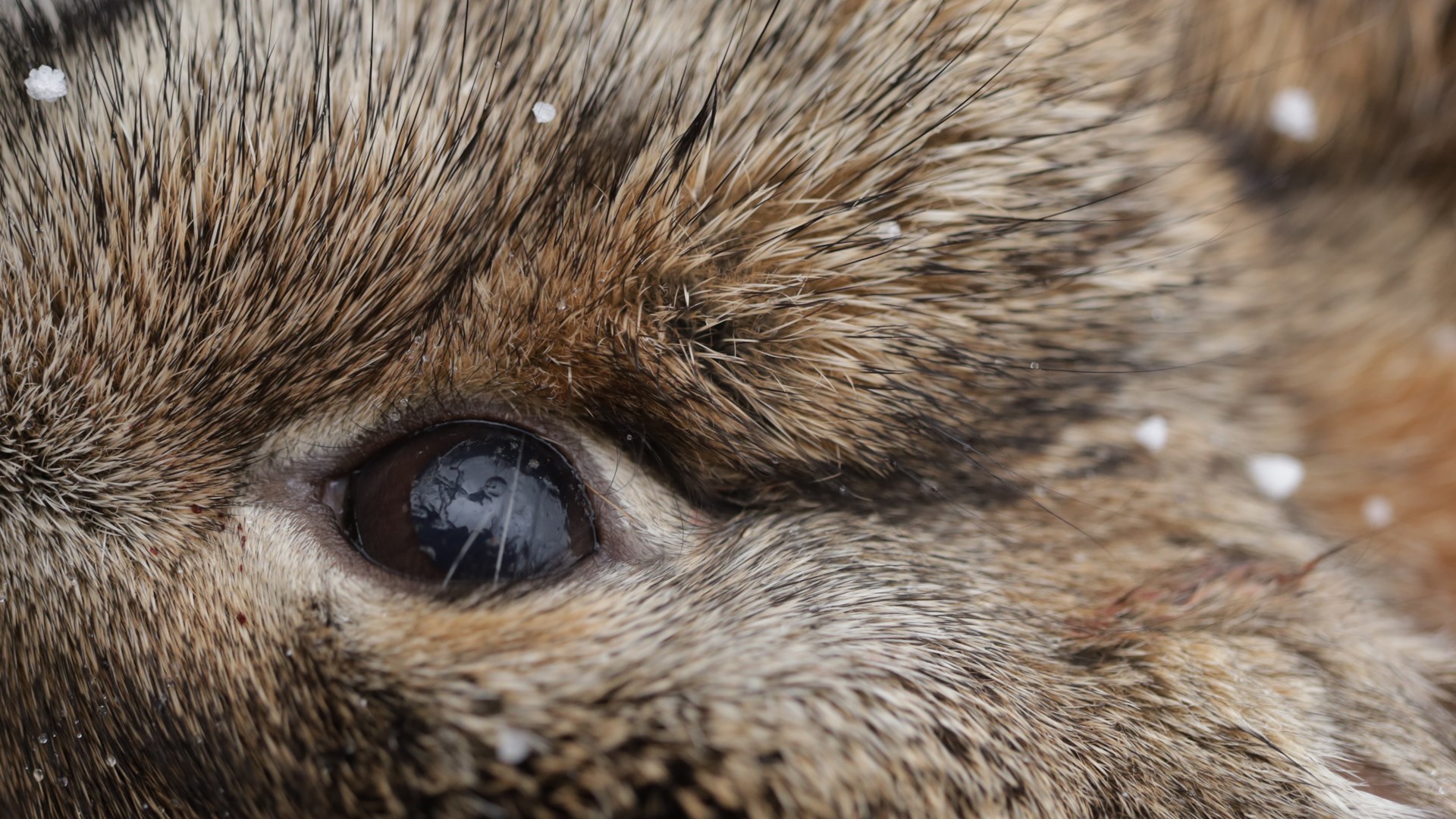
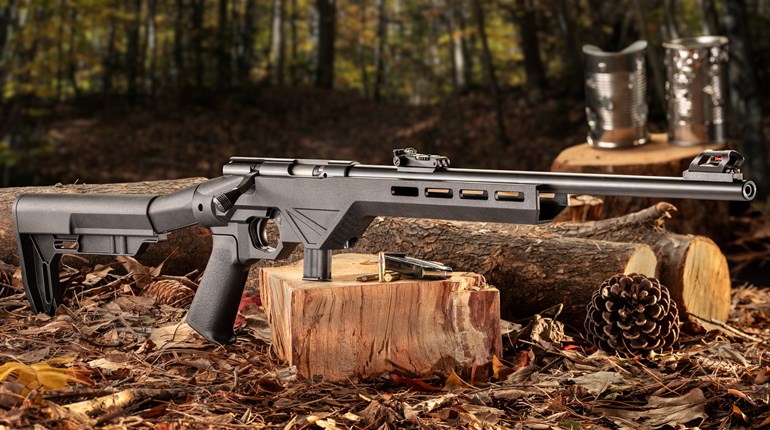
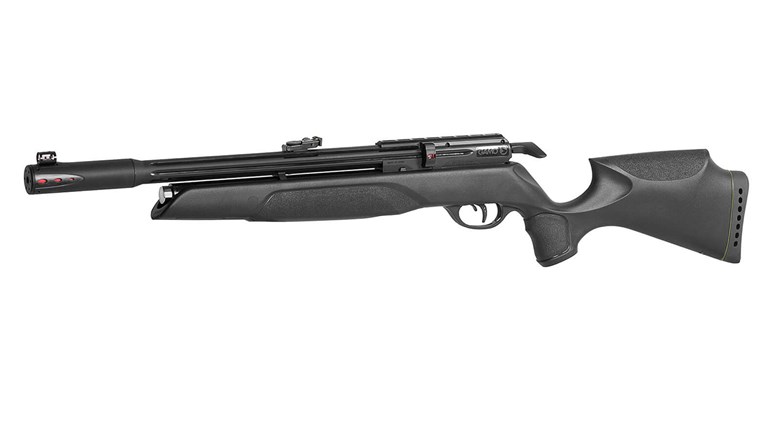
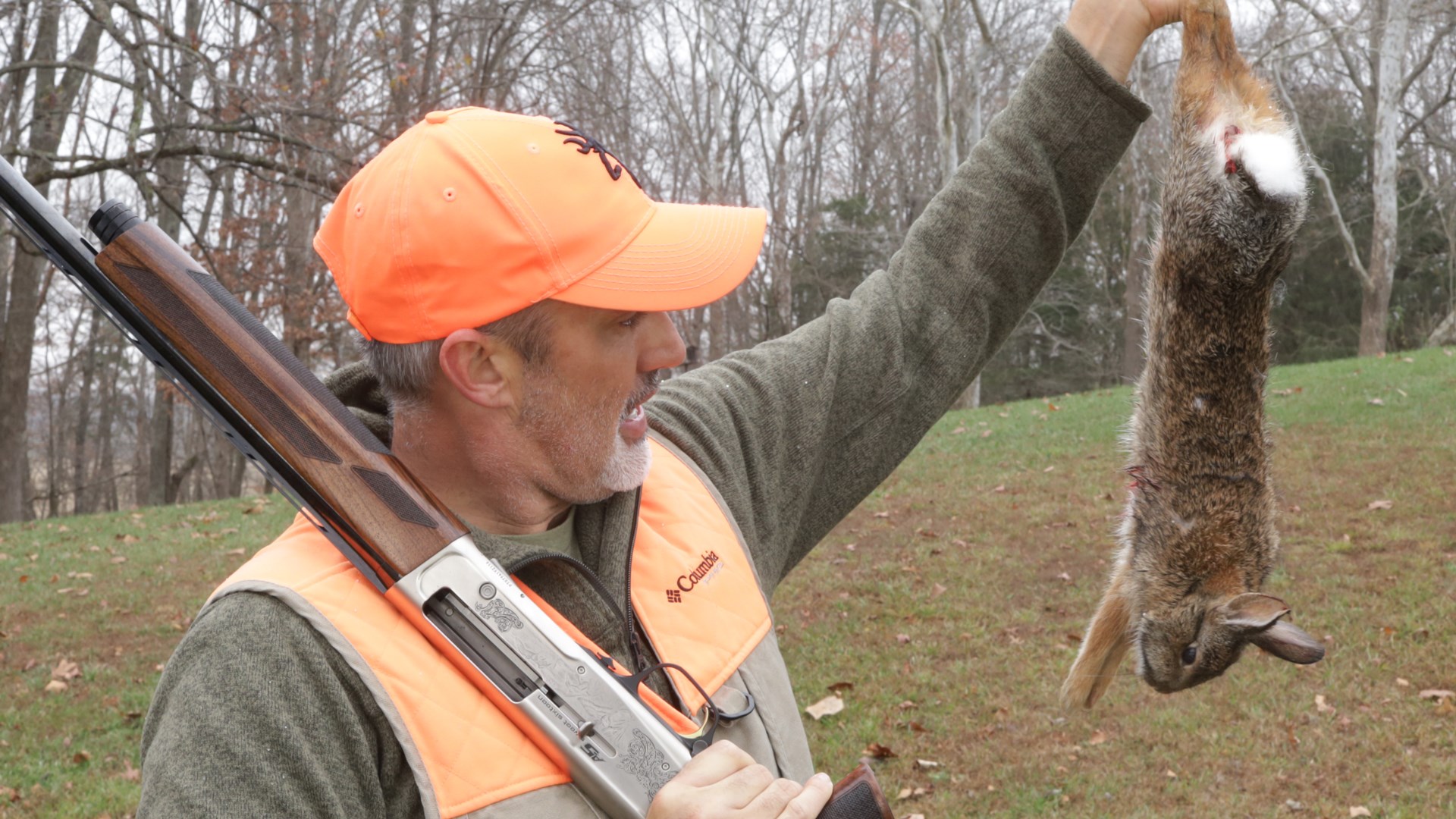
For cottontail hunters like me tracts of public land that have been abandoned by whitetail hunters during winter’s deep freeze are a playground, but you don’t need to feed a pack of hounds year-round to enjoy winter rabbit hunts. A bit of snow on the ground makes cottontails easier to see, and stalking and kicking brush piles can be a very productive way to bag your limit of bunnies. Hunters quickly learn to look for the rabbit’s telltale black eye which shines like a polished marble in thick masses of briar. If spot-and-stalk is your game an air rifle or a .22 rimfire works well so long as you can make precise head shots. Of course, when properly prepared rabbit makes excellent table fare. Cottontail is great fried, in hasenpfeffer (a German stew that traditionally includes rabbit) or in enchiladas, and one of my favorite wild game foods is apple walnut sausage made with rabbit.
Upland Birds
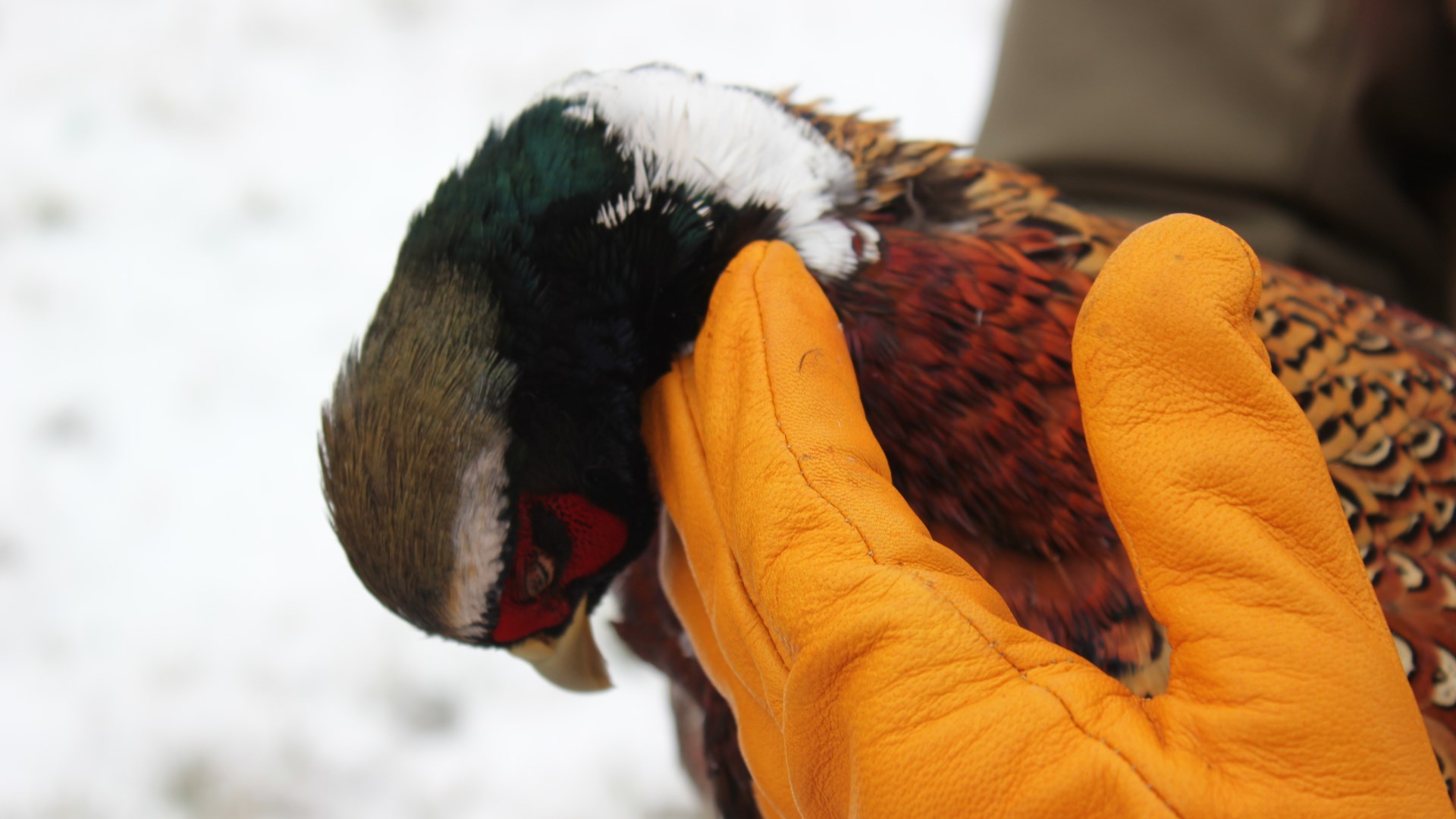
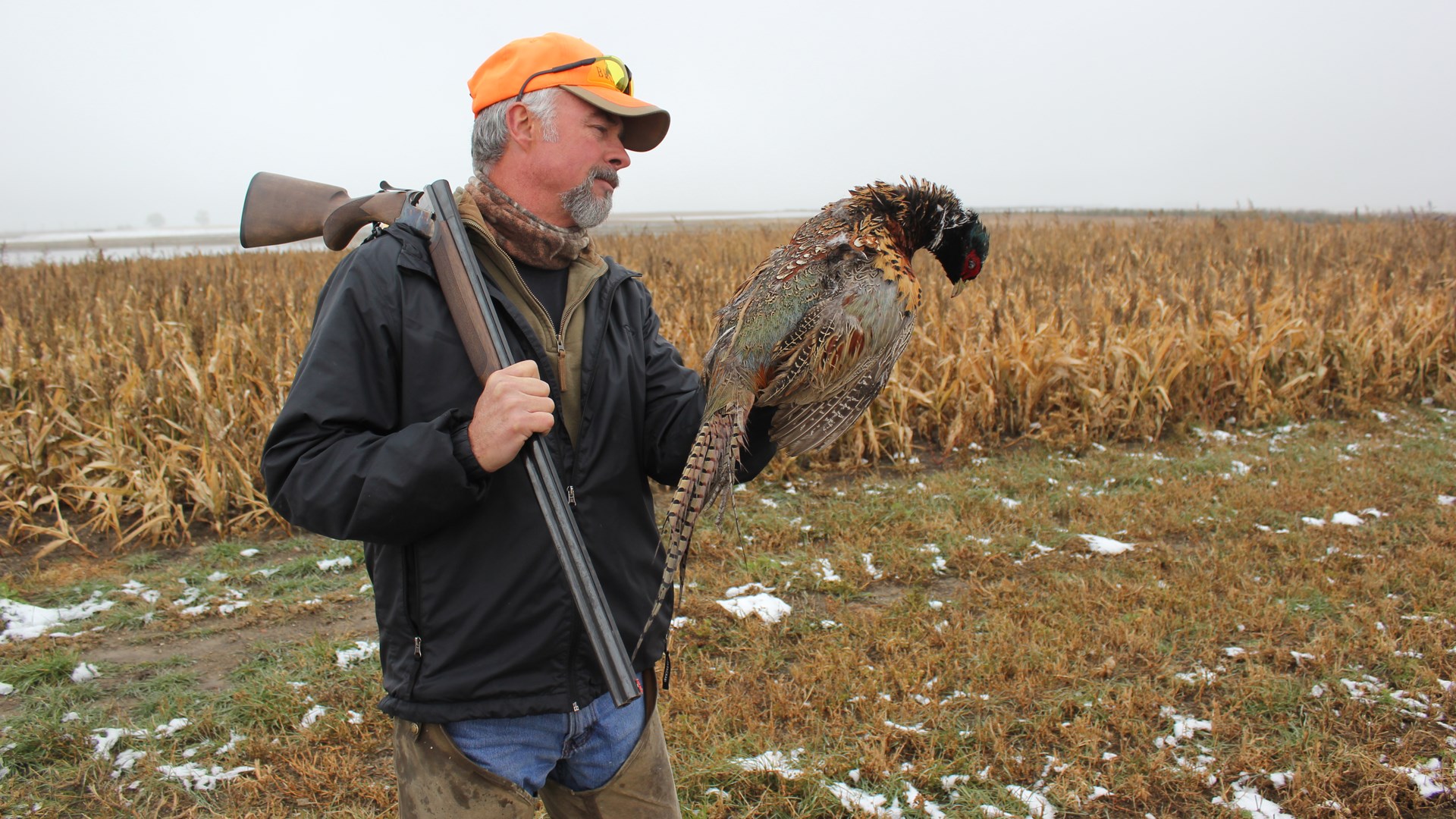
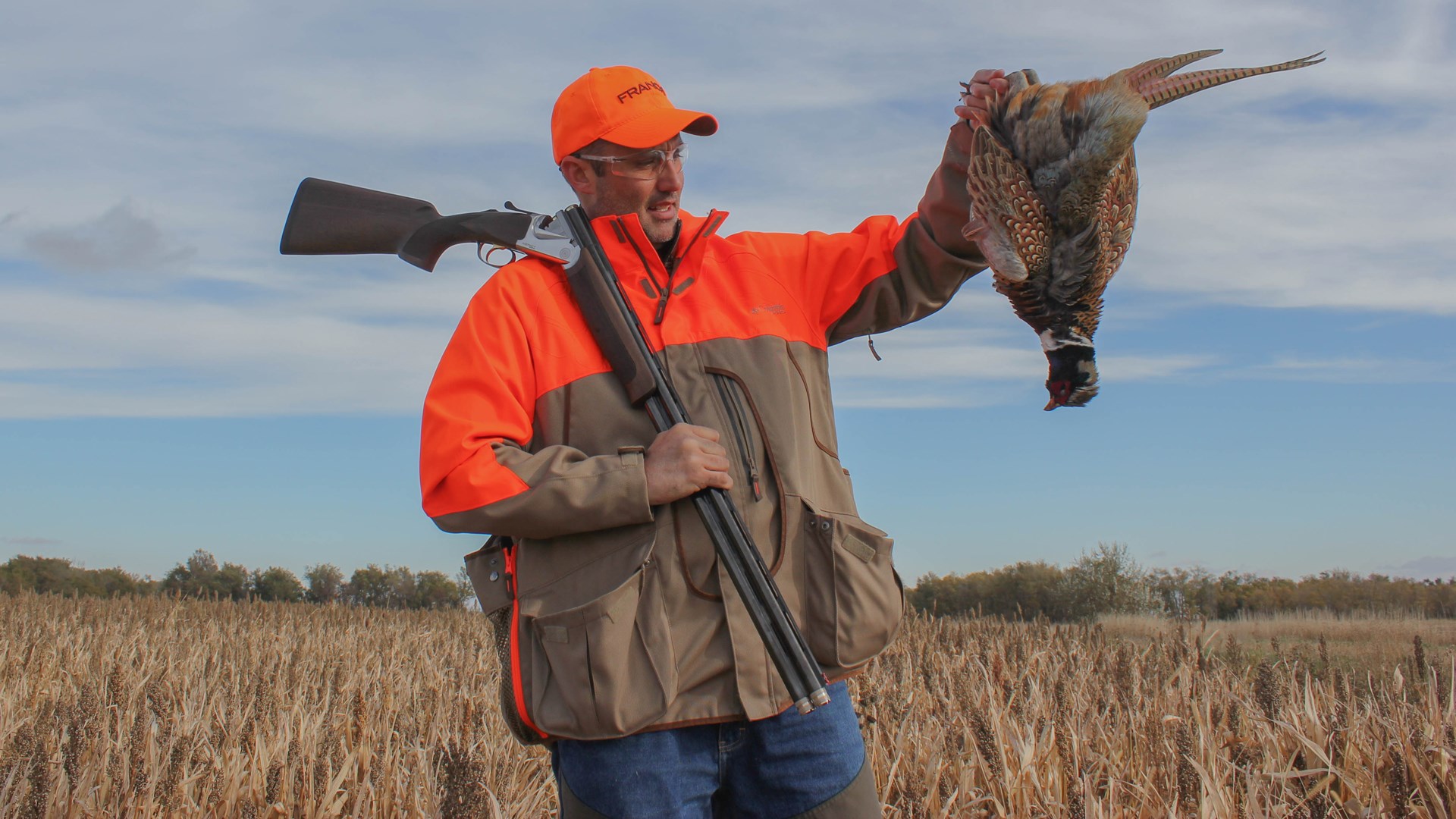
My first hunting road trip was to Iowa for a pheasant hunt when I was in my early teens, and since that time I’ve always looked forward to late season pheasant hunts. Winter weather in the Great Plains helps concentrate the birds in the thickest, densest cover. This makes finding the birds easier (whether you have a dog or not) and ups your odds of success. The fields will likely be empty during the worst cold snaps so you’ll get the hunting all to yourself. However, you should be aware that late-season roosters are often the wariest. Even young birds will have been hunted by that point in the year, which is why I prefer to use a dog in winter. You can, however, enjoy good success simply by plowing through the thickest plots of cattails and CRP where birds are likely to hole up against winter weather.
Western hunters are blessed with an abundance of birds, and winter weather can be a useful tool for upland hunters. Chukar partridge live most of their lives in high, steep, rocky ground that’s hot and inhospitable for most of the year, but the winter snows seem to push chukar down the mountains and into more manageable hunting spots. It’s also easier to find sign of chukars, Huns, sharp-tail, and other birds in winter when there’s snow on the ground.
Northern grouse hunters can also use winter cold to their advantage. Ruffed grouse hotspots like Minnesota, Maine and Michigan’s Upper Peninsula get pounded by cold weather and snow in winter. The birds tend to adjust their behavior accordingly, feeding and moving during daylight hours when the temperatures are at their warmest.
Get Outside
Winter offers unique hunting opportunities, but it’s the social aspect of the season that I like best. Whether you’re running a pack of beagles with extended family or mentoring a new hunter in the squirrel woods winter is a great time to be in nature. The hunting can also be very productive, and winter hunts give us something to look forward to after the fall deer and duck season. If you’re willing to brave the cold winter offers lots of fantastic hunting opportunities.
Most Popular