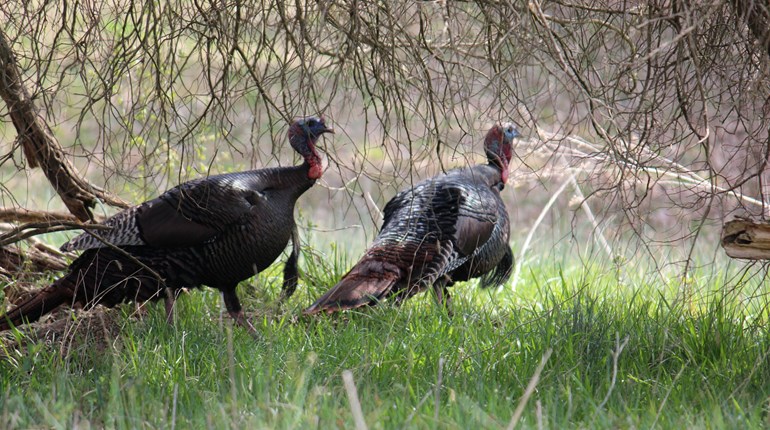
With the exception of big-game pursuits, turkey hunting is an anomaly; it’s the only shotgun sport where the hunter takes a well-aimed shot, as well as desires especially dense patterns. Why? The most vulnerable areas of a turkey—the neck and head—are relatively small and seldom static; therefore, a shell that’s chock full of shot (of adequate size, of course) and delivers a tight pattern at one’s maximum effective range, is optimal. Easier said than done.
As with most things, selecting the proper turkey load isn’t as simple and straightforward as it once was. That’s because nowhere in shotshells has technological advancements changed as much in recent decades, and the market has become overcrowded, quickly. “Boutique” and established makers abound, and are vying for the small-but-lucrative sales. Navigating the crowded marketplace is the purpose of this article.
There are numerous components of dedicated turkey loads that affect their downrange performance, including: shot composition, size, and shape; wad design and use of buffer; and shell length. Let’s investigate each separately, beginning with the former.
Lead-Alloy Shot—Composition, Size and Shape
Of the aforementioned shotshell technologies—outside of the wad, I suppose—none has improved as much as shot, and that has changed how we evaluate turkey loads. Once incredibly popular, if not the only option, lead-alloy shot is increasingly overlooked as the newer, tungsten-based shot is far superior for toppling spring gobblers. More on that shortly. For the moment, let’s stick with pellets crafted from lead-alloy, which are still as effective as ever.
If legal where you’ll be hunting, “magnum,” or high-antimony, lead-alloy shot should be considered. With a density of 11.34 g/cc, lead-alloy shot maintains its energy well at-distance, thereby increasing penetration and on-target energy. With this time-tested material, No. 4, No. 5 and No. 6 are proven killers; however, No. 5s provide greater pellet counts than do 4s for denser patterns, while also having greater reach than No. 6s—a perfect all-around size.
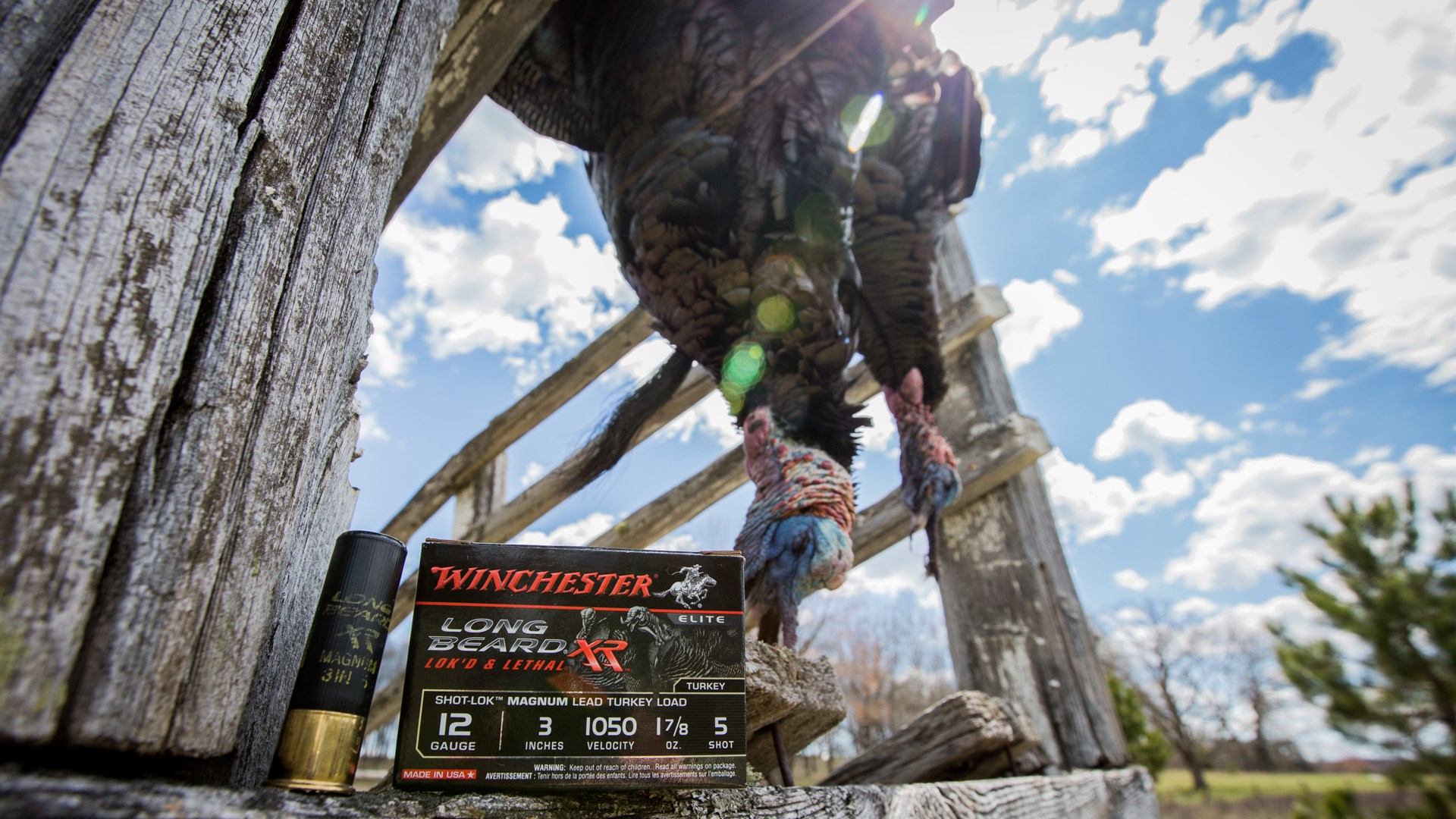
Know that No. 4s will increase your effective range but, with fewer shot in the payload, can leave pellet-less voids in which a turkey’s head and/or neck can fit—especially at longer ranges. For many years I preferred this pellet size but increasingly rely on No. 5s when opting for lead. Meanwhile, No. 6s inundate a target, improving the odds of a hit (or devastation if a large portion arrive on-target), but sacrifice some range. Choose whatever size best suits you.
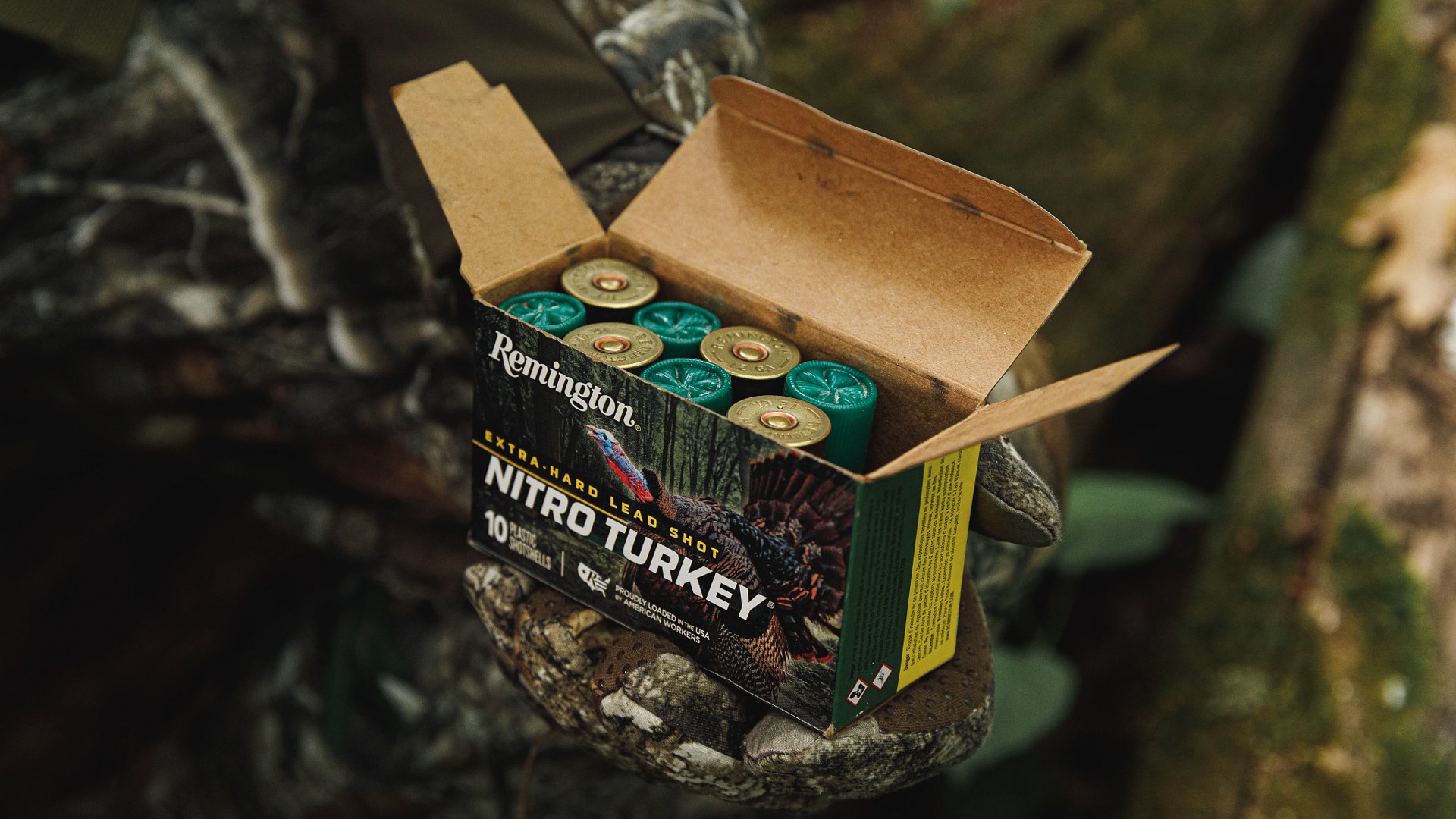
Some manufacturers still offer non-plated, lead-alloy shot in their economy turkey loads. Remington’s Nitro Turkey is a perfect example and is field-proven. However, most manufacturers use copper-, and to a lesser extent, nickel-plated, shot for enhanced lethality. There are several reasons why. Plating lead-alloy shot not only contributes to increased hardness, and therefore less deformed shot—from the firing process—that migrate to the fringe of the pattern, the slicker pellets encounter less friction during penetration. Increased depths can be expected. What’s more, plated shot is less likely to “snag” feathers and push them into the flesh, which restricts penetration. Nickel-plated shot, which can be had in Fiocchi’s Golden Turkey, among others, is the best. Of course, nothing is free, and shells with plated shot carry a premium—that’s well worth paying. The same shot sizes apply.
The fundamental benefit of lead-alloy shot (plated or not) is its affordability. Even when paired with innovative wads in “premium” loads, the per-round cost is still acceptable. And, provided that you evaluate the effective range of your shotgun/choke/shell combination, said ammunition will ground gobblers at surprising distances—just as it has for centuries. True to this statement, of the many, many gobblers that I’ve killed in Virginia and elsewhere—along with those taken by hunters I was accompanying—through three decades-plus of pursing them, easily more than half have succumbed to shells brimming with lead-alloy shot. Expect to use full to extra-full chokes to attain the best results with said shot.
Leadless Shot—Composition, Size and Shape
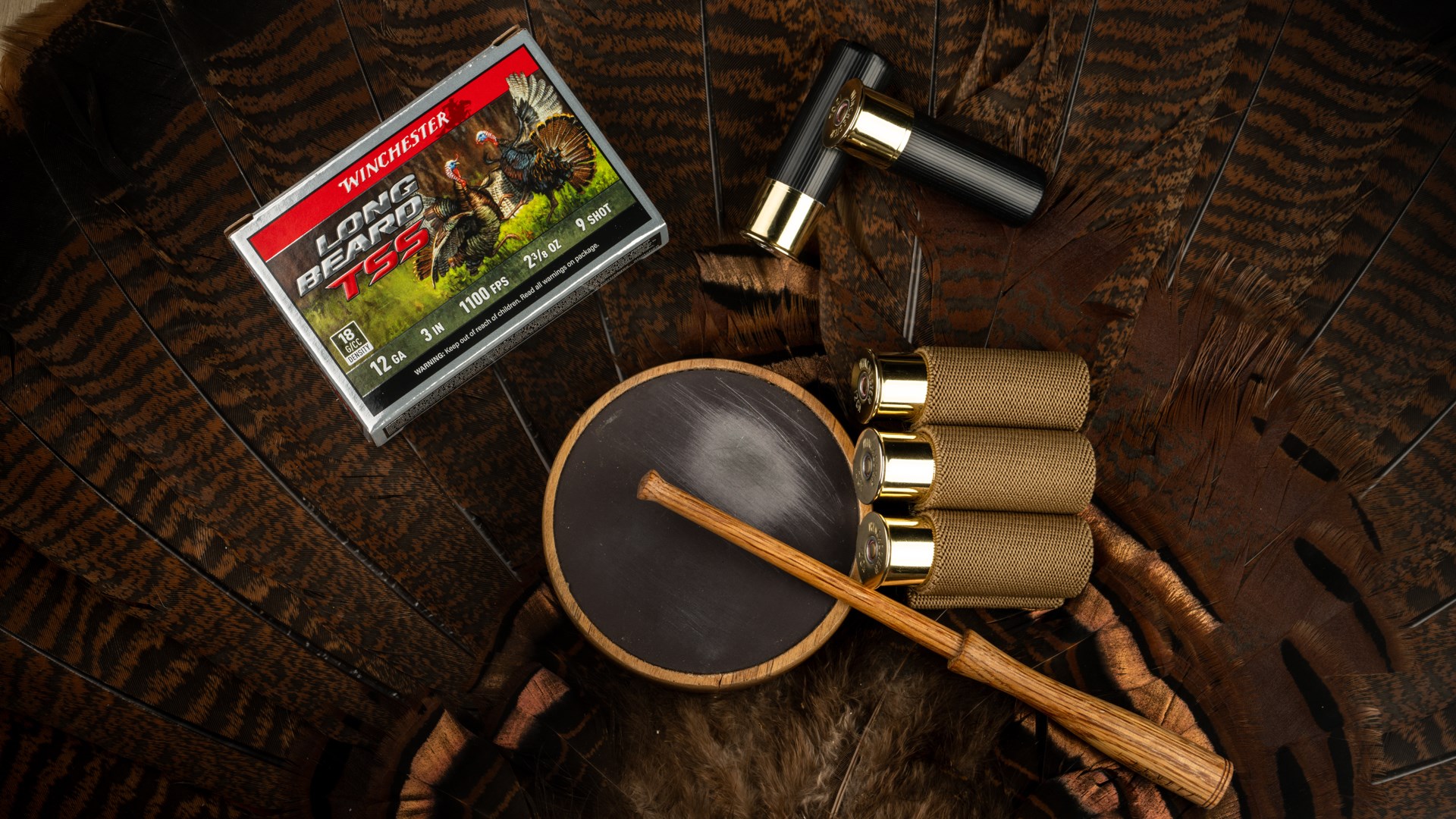
The debuting of tungsten-based shot was a true “game-changer.” It has steadily evolved from around 12.0 g/cc with the original HEVI-Shot, to HEVI-13—about 13.0 g/cc, to 15 g/cc with Federal’s original Heavyweight, to the current 18.0 to 18.1 g/cc Tungsten Super Shot (TSS), which is the finest shot-making material to-date. Not all tungsten-alloy blends exceed the density of lead, but most do. Why does it matter?
All else being equal, higher densities translate to an increase of on-target energy—especially at extended ranges—as well as enhanced penetration. Therefore, tungsten-based shot extends the turkey hunter’s effective range. I consider it to be a form of insurance, just like “premium” rifle bullets—and with the associated, elevated cost.
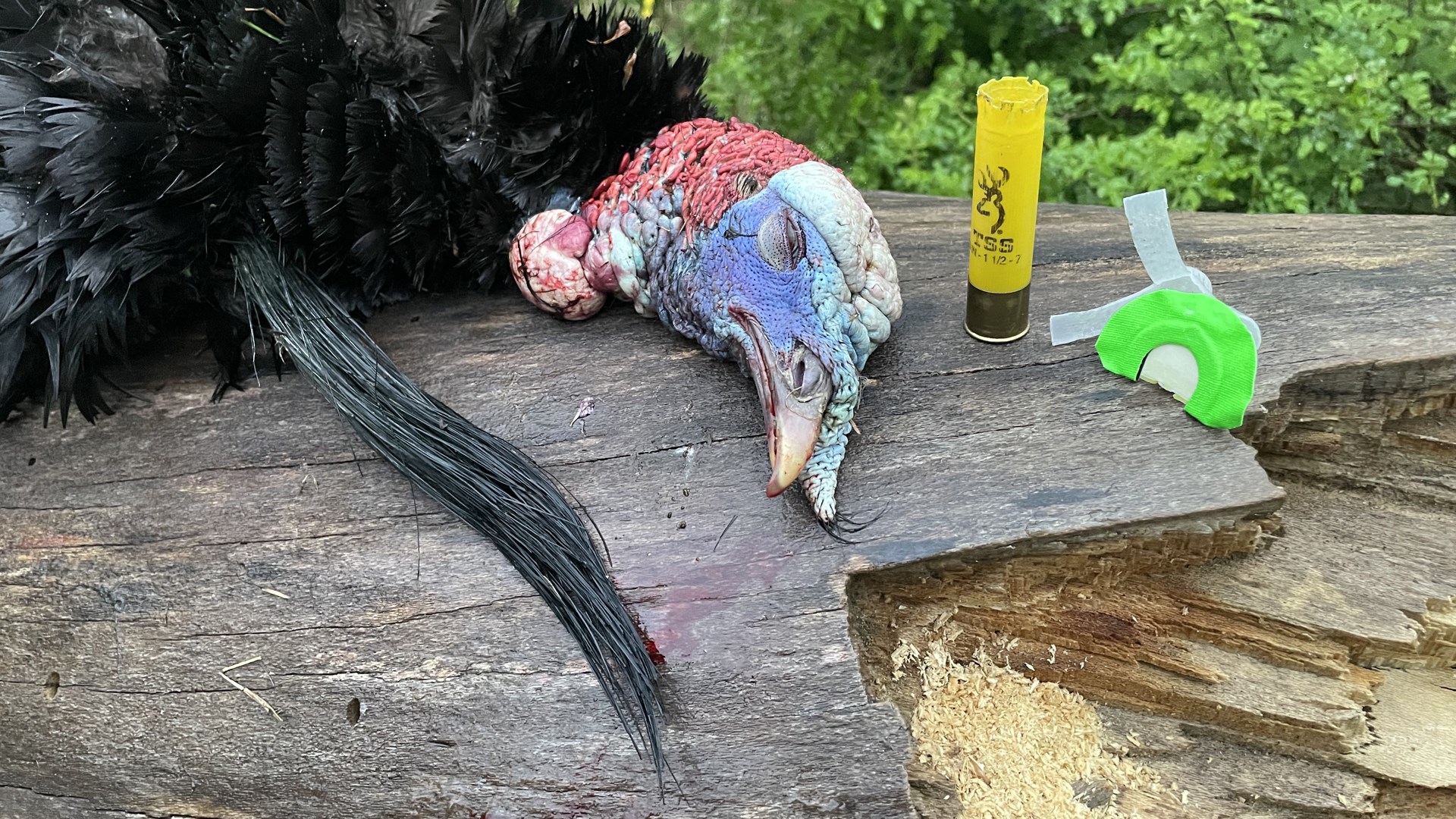
Tungsten is also exceptionally hard. Unlike lead-alloy, shot made from tungsten doesn’t deform during the firing sequence; therefore, patterns made using tungsten-based shot have exceptionally dense cores. Again, this extends your reach—even without dedicated, pricy choke tubes. But, pair it with the FliteControl wad, or similar, and it has no peer; in fact, lead-alloy loads aren’t in the same realm. That same hardness enables it to drive deep. As an example, my favorite TSS size, No. 7s, will fully penetrate a goose’s chest beyond 40 yards, and a turkey’s head/neck as far as I’m comfortable shooting. Talk about performance! Best of all, it’s lead free, so it complies with laws preventing use of the aged shot-making metal.
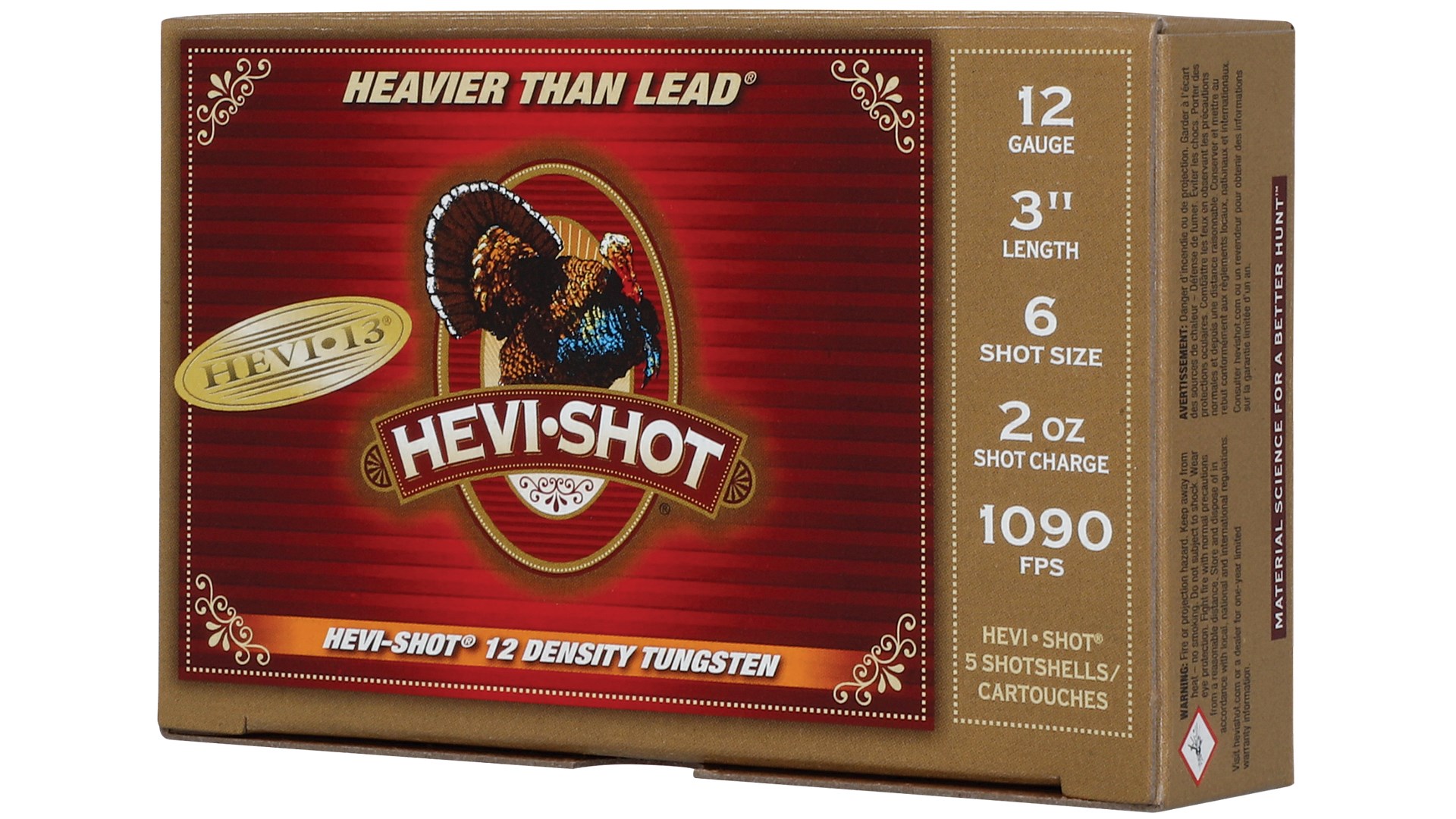
Because of it’s elevated density, smaller shot sizes are appropriate. If 12.0 g/cc or similar weights of tungsten-based shot is used, moving one or two shot sizes smaller than with lead is proper (if legal in your state); however, when using 15.0-18.1 g/cc shot, common “birdshot” sizes (and smaller) are effective. I stick to No. 7 TSS because, after killing more than a dozen gobblers with it, nothing else approaches its effectiveness—especially at-distance.
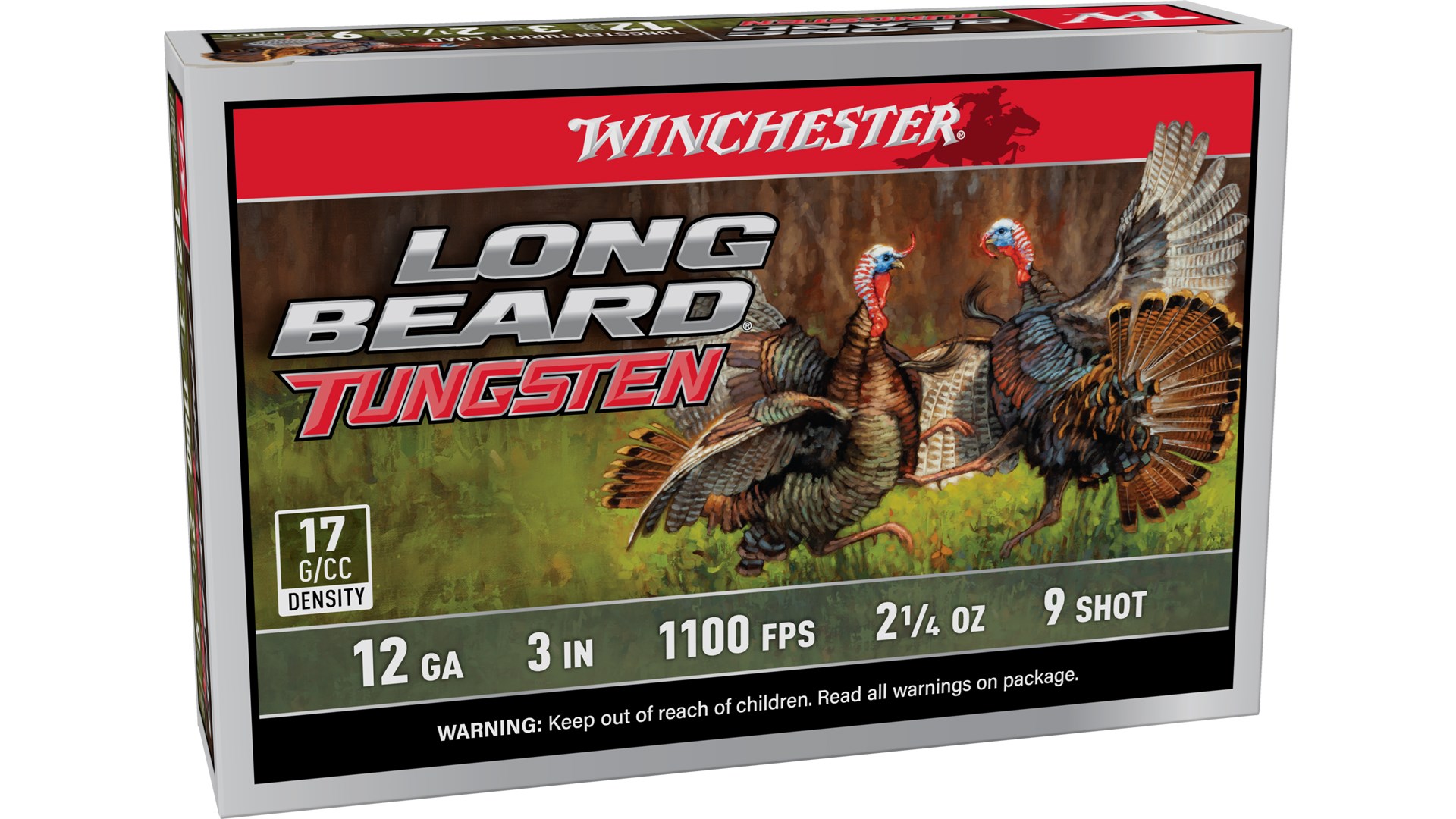
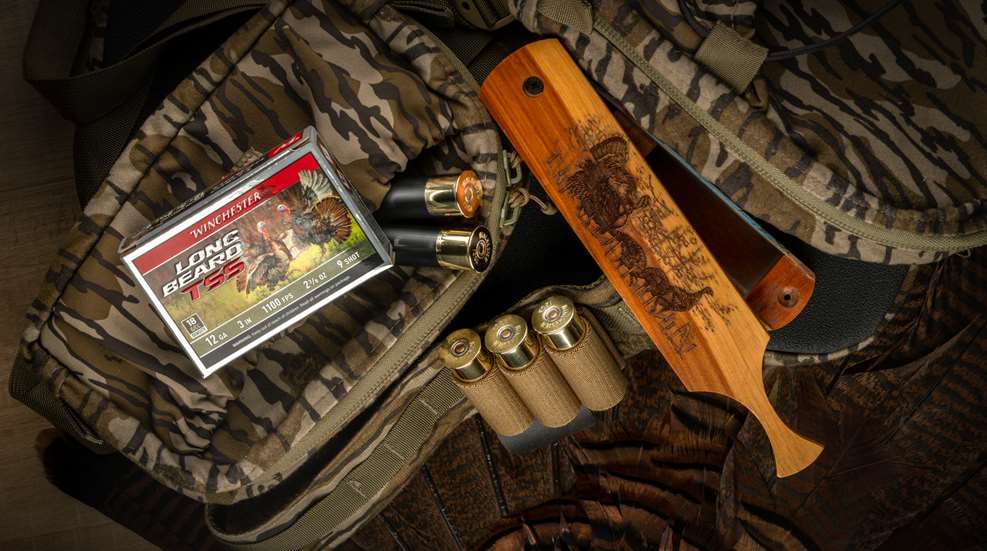
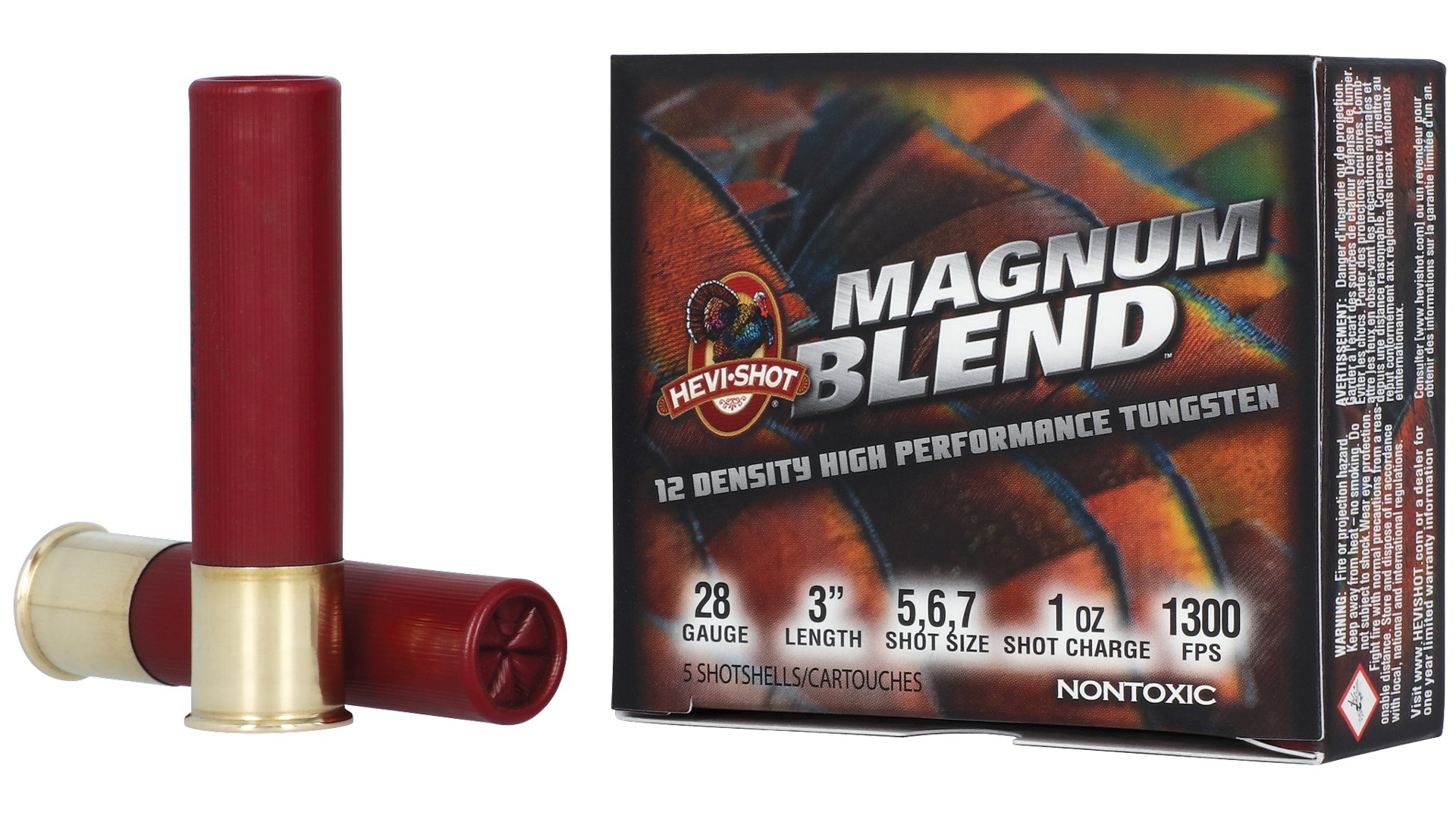
Just to illustrate variances, HEVI-Shot’s Magnum Blend uniquely combines No. 5, 6 and 7, 12.0 g/cc tungsten-based shot, while Winchester’s Long Beard Tungsten utilizes 17.0 g/cc pellets. Yet others combine TSS of different sizes.
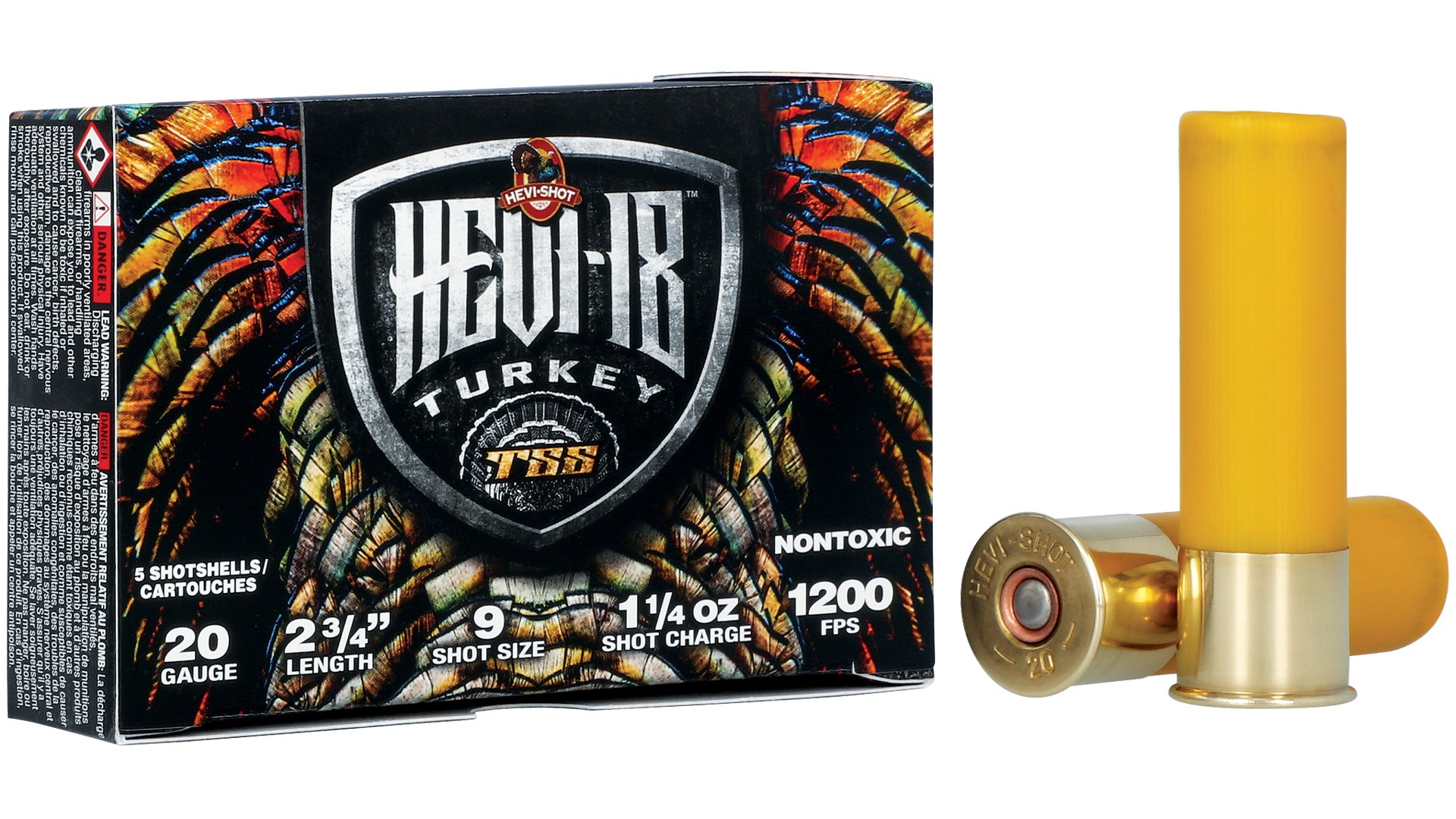
Dropping down to TSS No. 8s will cut your range, but the pattern density is jaw-dropping—and more so with No. 8.5s. Remember, though, that you’re pursuing big, wary birds, so if you’re using TSS No. 8.5, 9 or 10s, keep the shot exceptionally close. After an incident more than a decade ago in which an oversized tom at roughly 35 yards toppled at the shot—when using a factory mix of No. 8s and 10s—only to jump up unfazed and escape forever, changed my mind about the use of 10s. Number 7s kill with authority. Every. Single. Time. And, there are plenty in the pattern to boot.
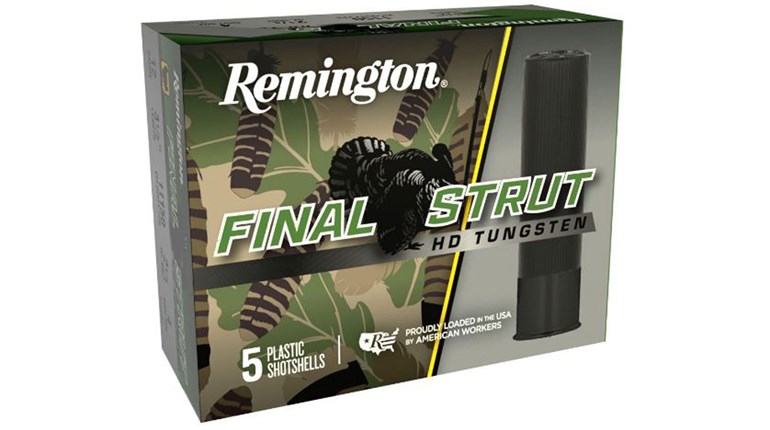
Because of eroding international politics, particularly with regard to China’s limited export of precious/strategic metals (of which tungsten is one), the price of tungsten has skyrocketed. On the low end, expect to pay around $7.00 per shell, all the way up to $23.00 each—as opposed to $2.00 or less for lead. Yes, you read that correctly. As non-hunting—but pro-hunting—relatives have pointed out to me, full TSS loads cost more than a prepared turkey at the grocery store. True. Are they worth the cost? The edge that they afford in the field is undeniable, and when you get that opportunity, don’t you want the best shell chambered in your shotgun? But, your budget should be considered, too. A compromise can be found in Federal’s 3rd Degree, in which TSS is teamed with two types of lead-alloy shot for reduced cost and increased overall load effectiveness. They work quite well.
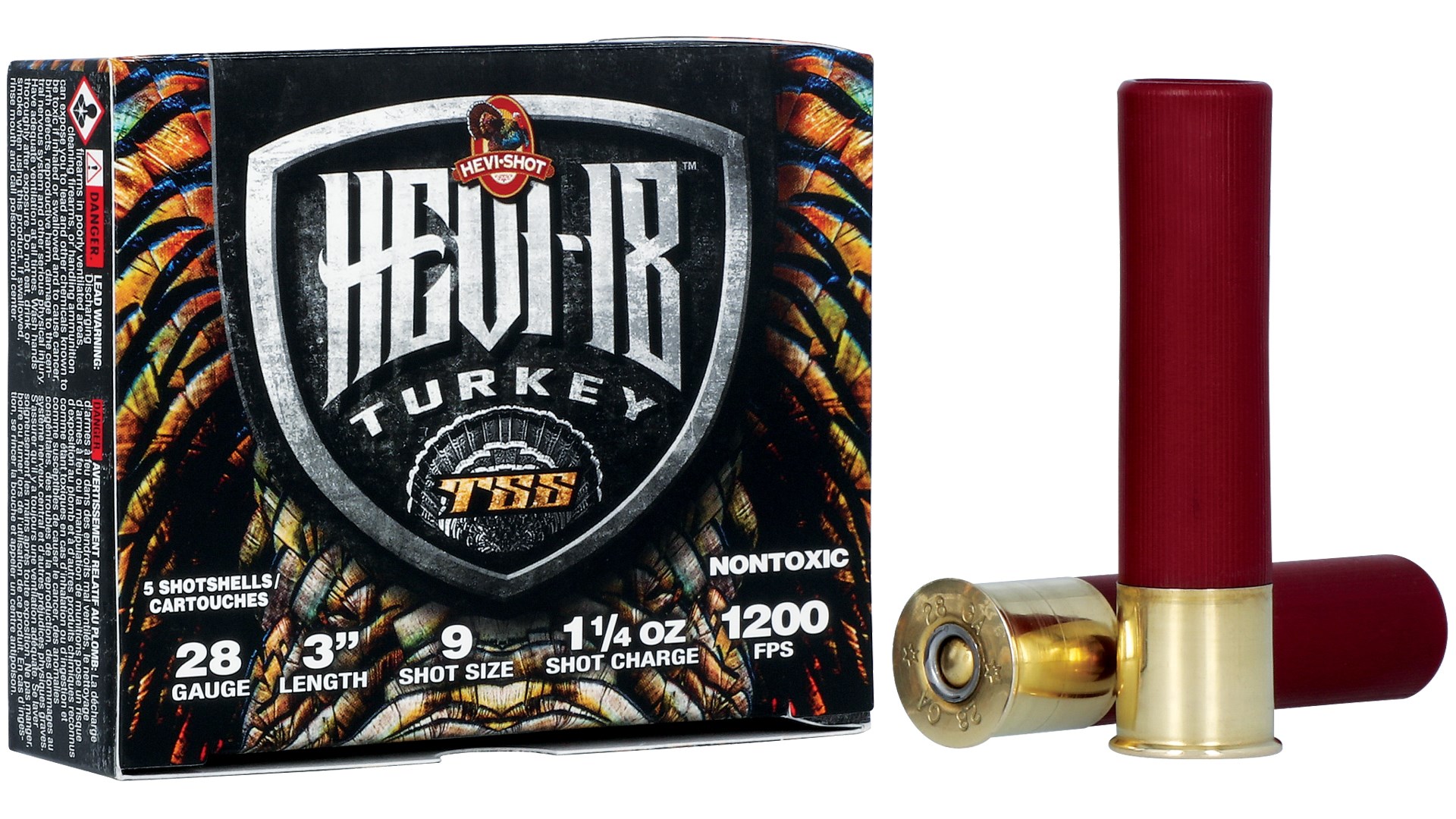
That said, there’s no argument about using tungsten shot is sub-gauges—especially 28 gauge and .410 bore. Having minimal internal space for the payload, dense, tungsten-based shot—especially TSS—is a no-brainer. TSS turns a wingshooting shotgun into a genuine turkey assassin.
Bismuth is another option, though its cost is increasing due to the same reason as tungsten. It nicely fills a niche, as despite being less dense than lead—9.6 g/cc—and thus having a shorter effective range, the leadless shot is lethal on gobblers—provided that they’re relatively close. Personally, if I required leadless loads, I’d splurge on tungsten and cut costs elsewhere rather than select bismuth, but to each their own. At midwayusa.com, HEVI-Bismuth Turkey runs around $5.00 per shell.
It’s worth noting that the majority of shot is, as expected, spherical; however, there is an exception. In the multi-metal payloads of Federal’s 3rd Degree, there are lead-alloy pellets that have a band circumventing the mid-section. Not only do the non-spherical pellets create larger wound channels, but their shape causes them to rapidly spread to the outside of the pattern, enlarging it. This is helpful for times when a gobbler closes the distance fast and the shot must be taken very close. By spreading the pattern slightly, the opportunity for a killing shot is increased.
Wad and Buffer
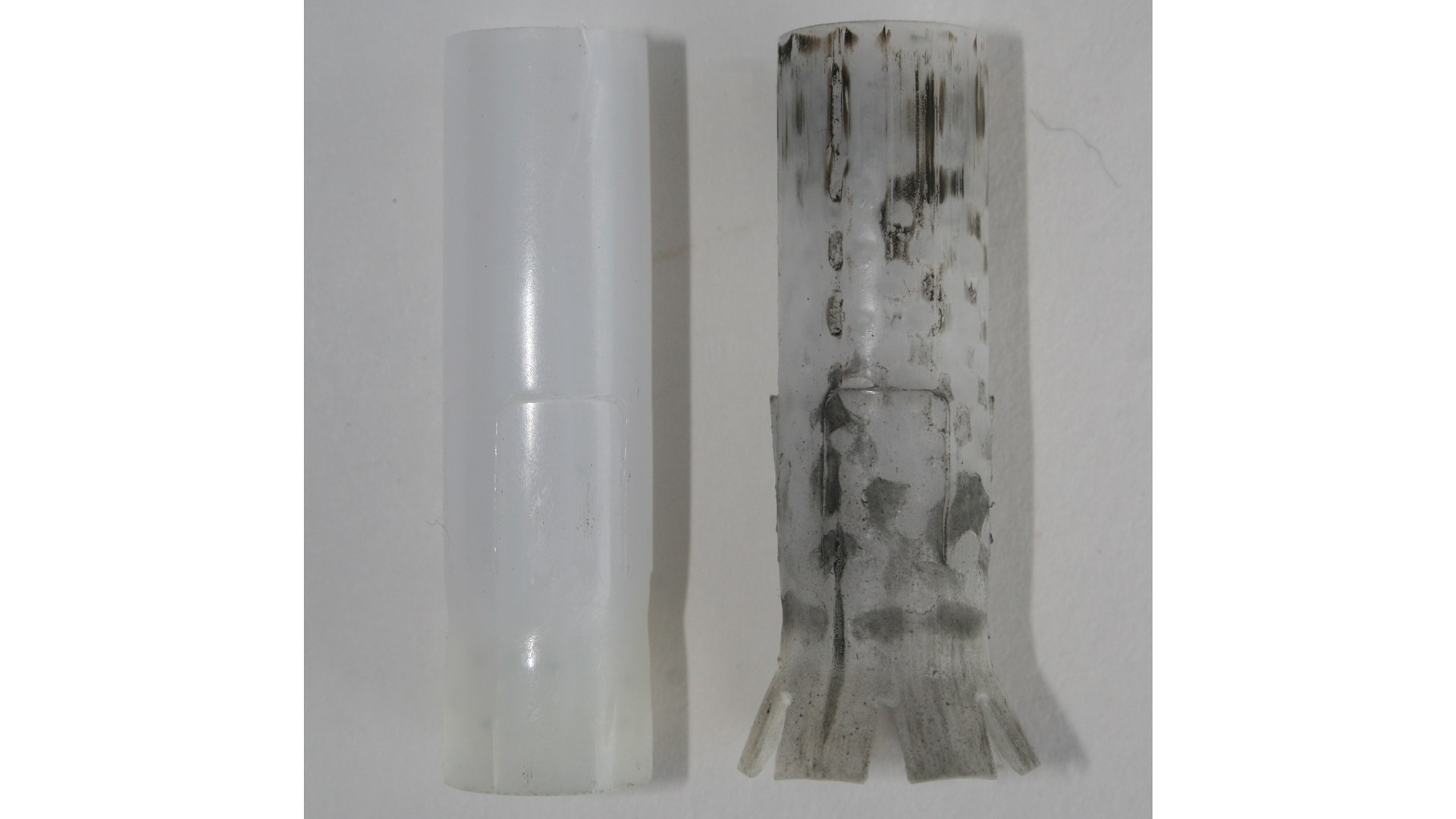
As important as the shot is, the wad is equally essential. Wads not only serve to protect the shot (and barrel/choke, in the case of tungsten-based shot) during the firing sequence, but also to manipulate patterns. There are two suitable wad variants in turkey loads. Before delving into them, though, if you encounter a wad system having no (or a minimalist) shotcup, immediately seek a different load; the idea is to preserve the pellets’ spherical shape, and scrubbing the bore and choke isn’t going to do so. These would be some format of stacked nitro cards or similar.
Traditional-type wads, in which the petals roll back onto themselves immediately after exiting the barrel, are the most common encountered. These can be found in economy shells laden with lead-alloy shot all the way to “premium” loads brimming with TSS. Most have three to four petals and suitably do as designed—facilitate a clean release of the shot after protecting the pellets and barrel/choke. How they pattern varies greatly, as shotgun/choke combinations are highly variable. In general, the longer the wad slits and the thinner the petals, the more open the patterns will be—unless filled with tungsten-based shot. Despite being an older design, such wads are very effective—as evidenced by the trio of Virginia gobblers meeting their demise annually for me.
Federal’s FliteControl (and Flex variant) up the ante with regard to pattern density. The atypical design has side flaps and a flaring gas seal to slow the wad’s forward momentum, which enables the shot to exit the wad. Since it takes longer for this to occur, denser patterns can be expected further. It’s not uncommon to find the FliteControl wad 40 to 50 yards downrange. When you combine plated, lead-alloy or TSS shot with the abovementioned wad, you can imagine the results. Best of all, the FliteControl wad works best in standard, fairly open chokes, such as improved cylinder and light modified.
Concerning buffer, nigh all turkey-specific loads featuring lead-alloy shot employ buffer. The lightweight material fills the space between the malleable pellets, thereby helping cushion them during the firing process. The more spherical they remain, the better patterns will be realized downrange. The same applies to bismuth, which is particularly brittle. Tungsten-based shot often has buffer, though it’s less important since the pellets won’t deform.
A unique way to protect the pellets is found in Winchester’s Long Beard XR. The copper-plated, lead-alloy shot is encased in a clear, dried substance that, upon firing, shatters to protect the pellets. It’s remarkably effective, as patterns produced by the loads generally outperform those in similar loads with traditional-type buffer.
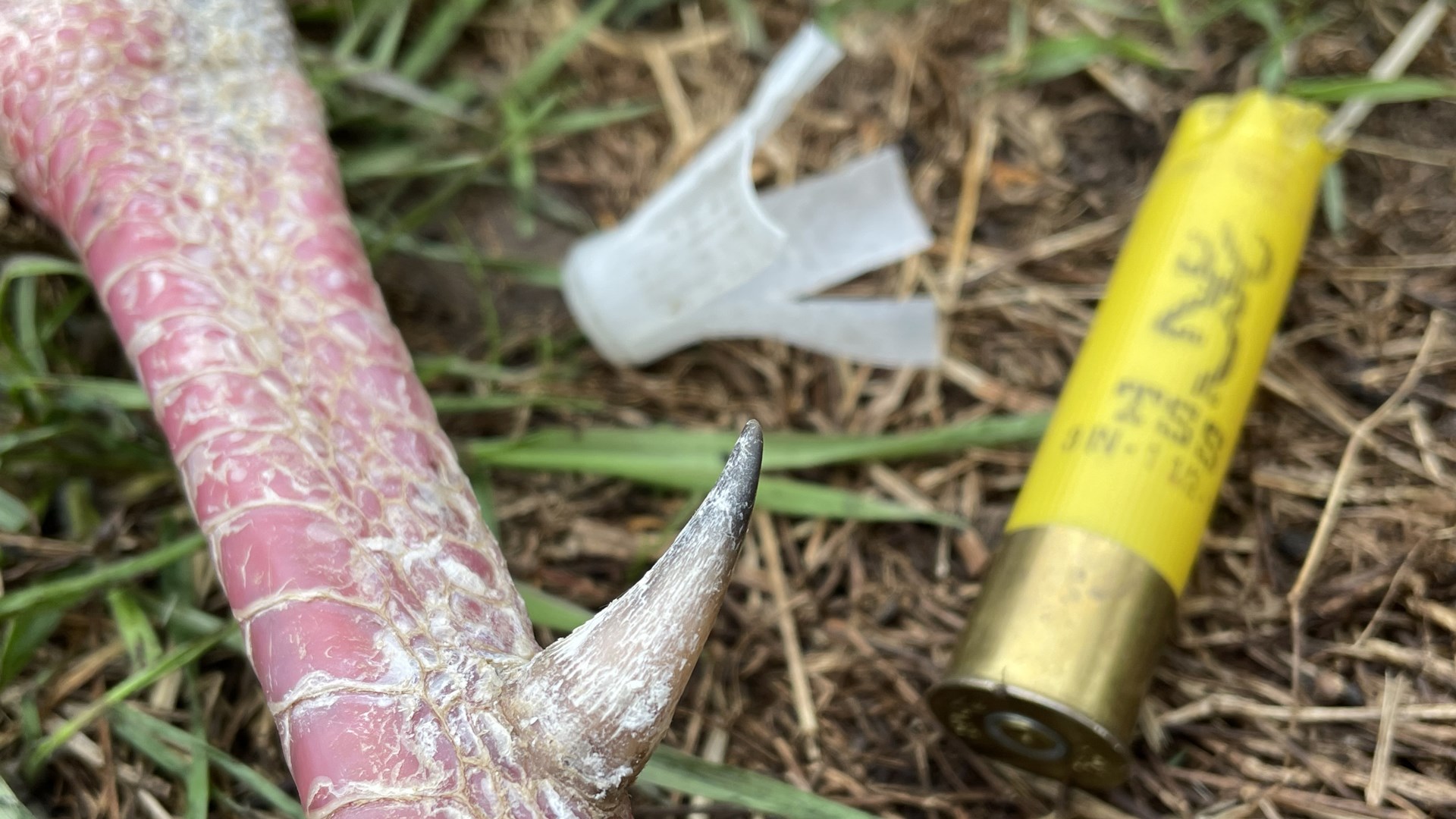
Shell Length
To deliver the maximum amount of pellets on-target, you’re going to want to use shells that feature hefty payloads, and those are generally found in the longest shell suitable for your shotgun. For instance, in a 3½-inch-chambered 12 gauge, on average the 3½-inch shell will offer more shot than one in 3 inch. It can allow for more velocity, too. Similarly, in 20 gauge, the 3 inch trumps the 2¾ inch. This is all the more important when using lead-alloy shot, which occupies more space due the mandatory larger pellets than those made from tungsten.
Of course, the tradeoff is extra felt recoil, which is determined by the weight of the payload and the velocity to which it’s propelled. Trust me, when a gobbler is taking its last steps into range, you’ll be thankful for what’s in the chamber and won’t remember the recoil once it fires. Turkey hunting is not where you want to go minimalist.
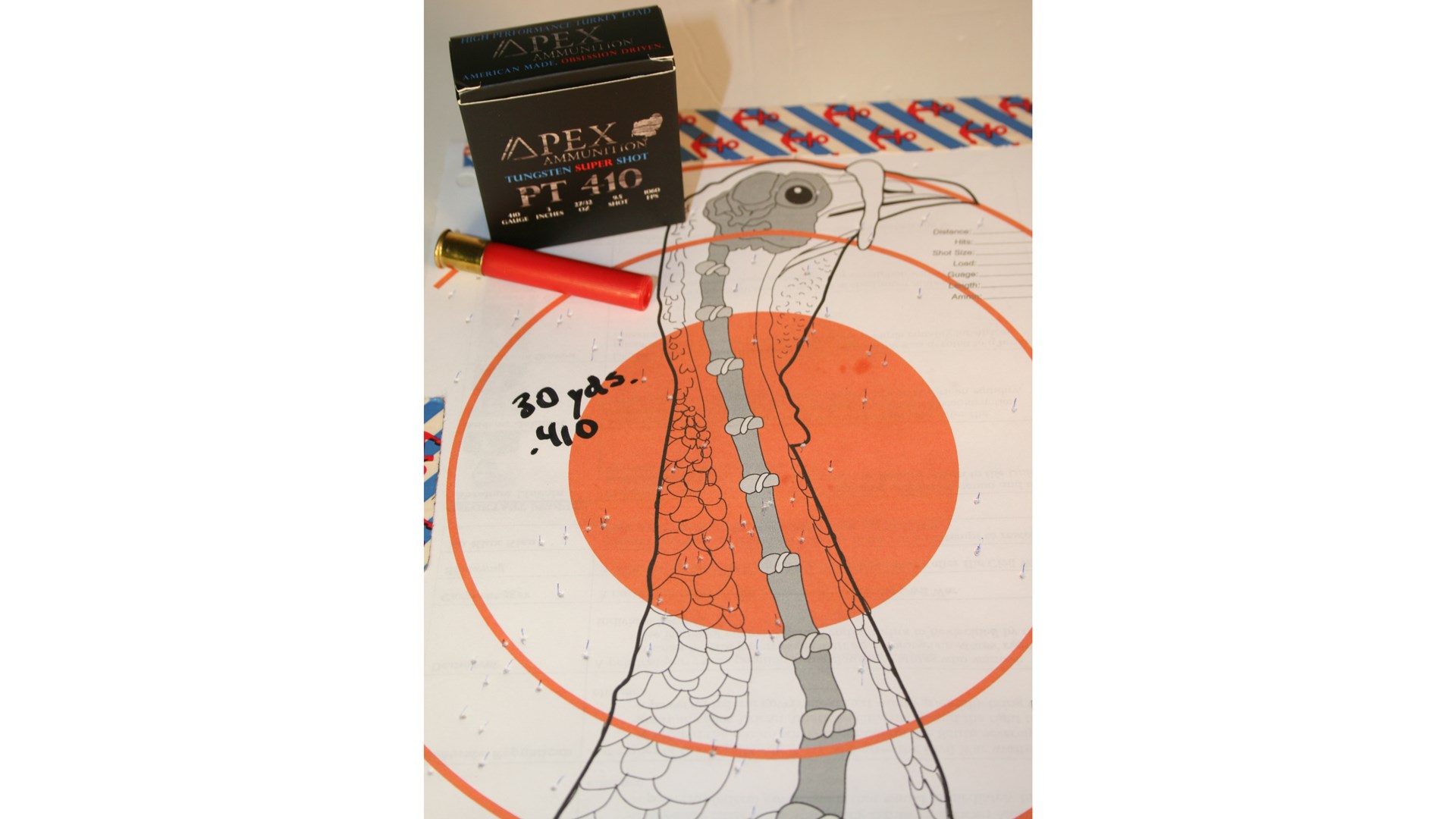
That being said, increasingly hunters are using .410s for spring gobbler hunting. Obviously, if the bird is close, it’ll kill just as easily as will the larger gauges; however, if the gobbler hangs up (inside of 12-gauge range) or you misjudge the distance, which is easily done, there could be problems. While small TSS works wonders, don’t push it. Unless you’re especially adverse to recoil, or a beginner, I’d recommend using a 28 gauge, or even better, a 20—if loaded with tungsten-based shot. When sticking to lead-alloy shot, the 12 gauge is still the best choice.
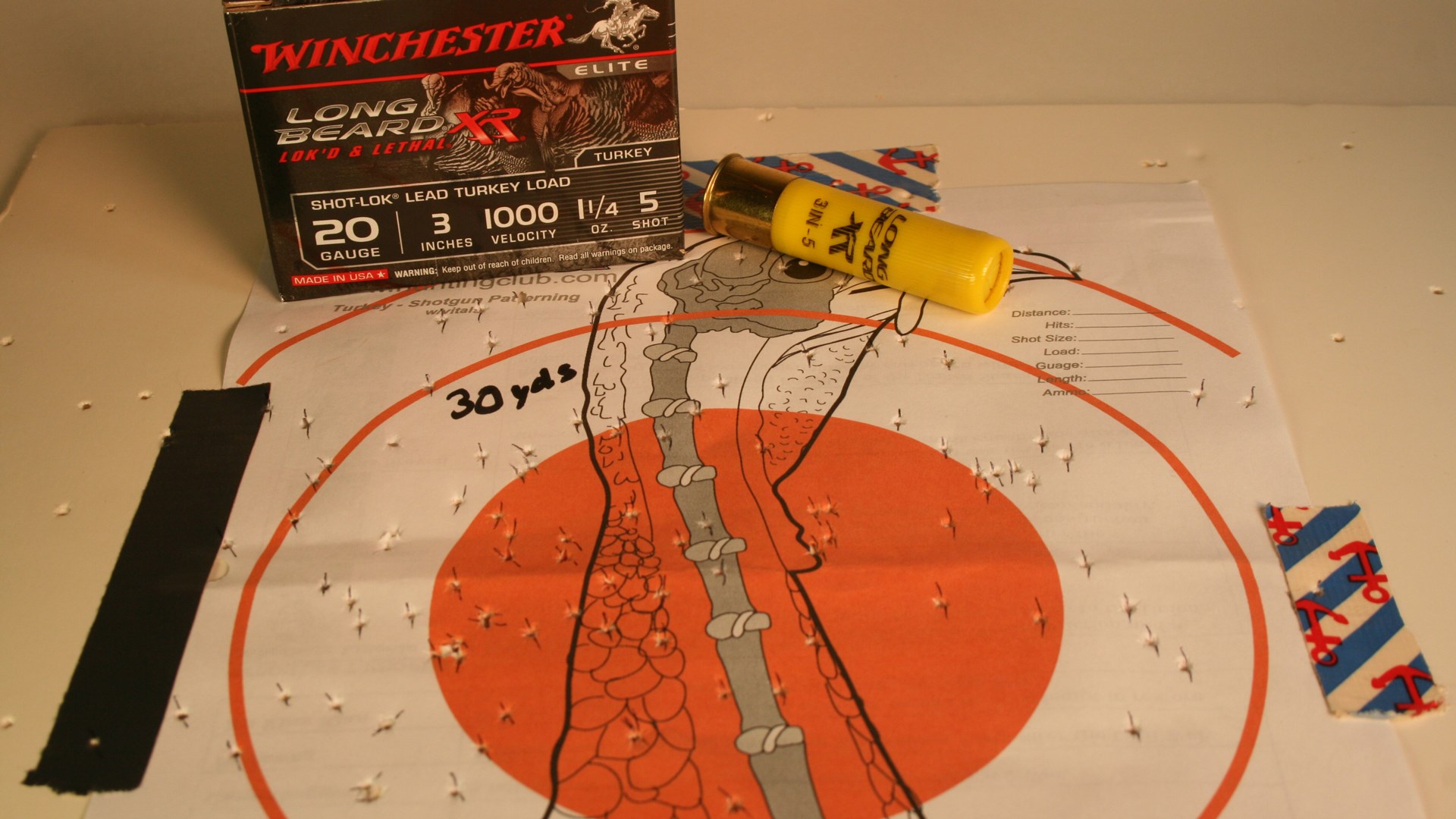
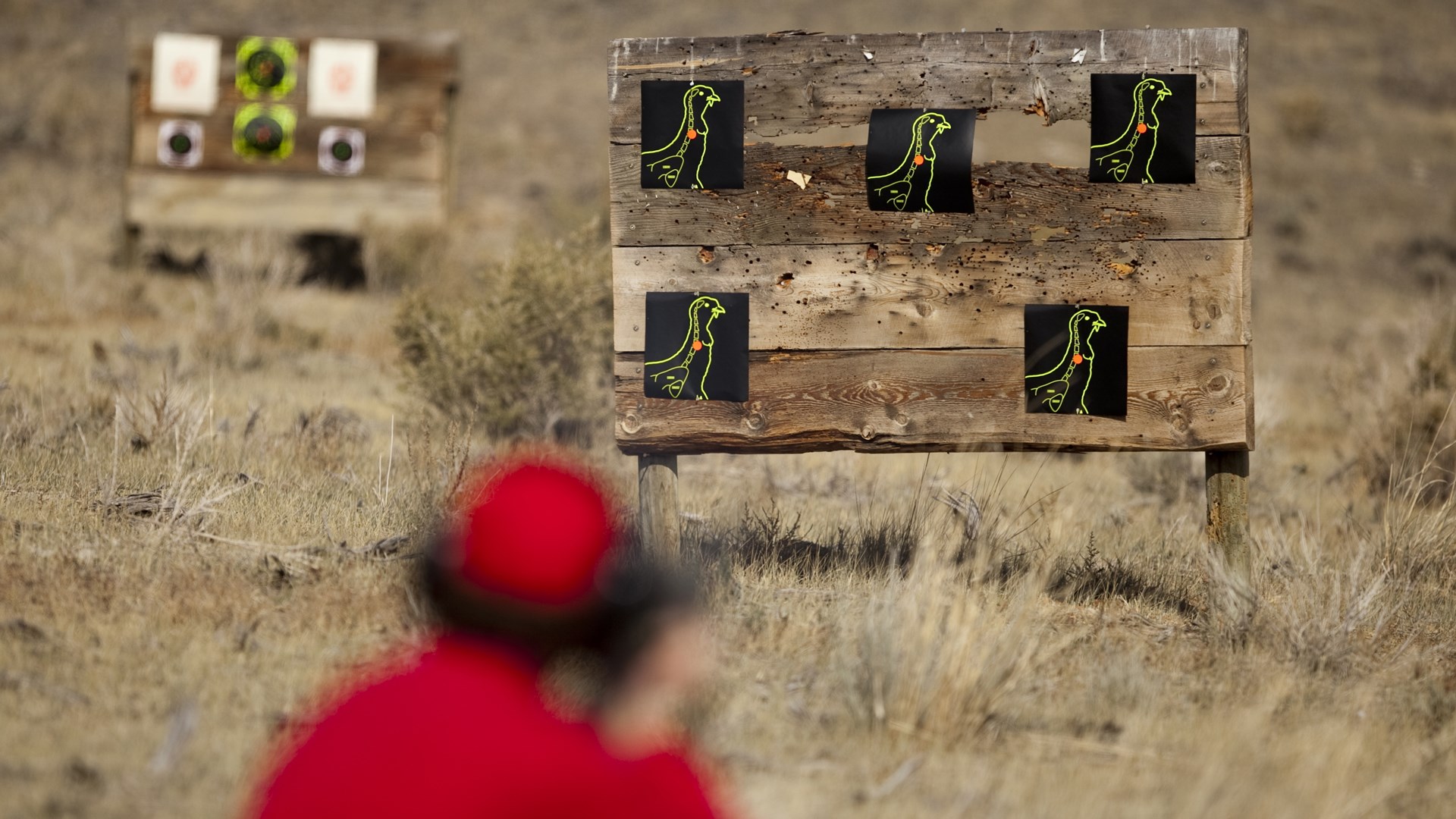
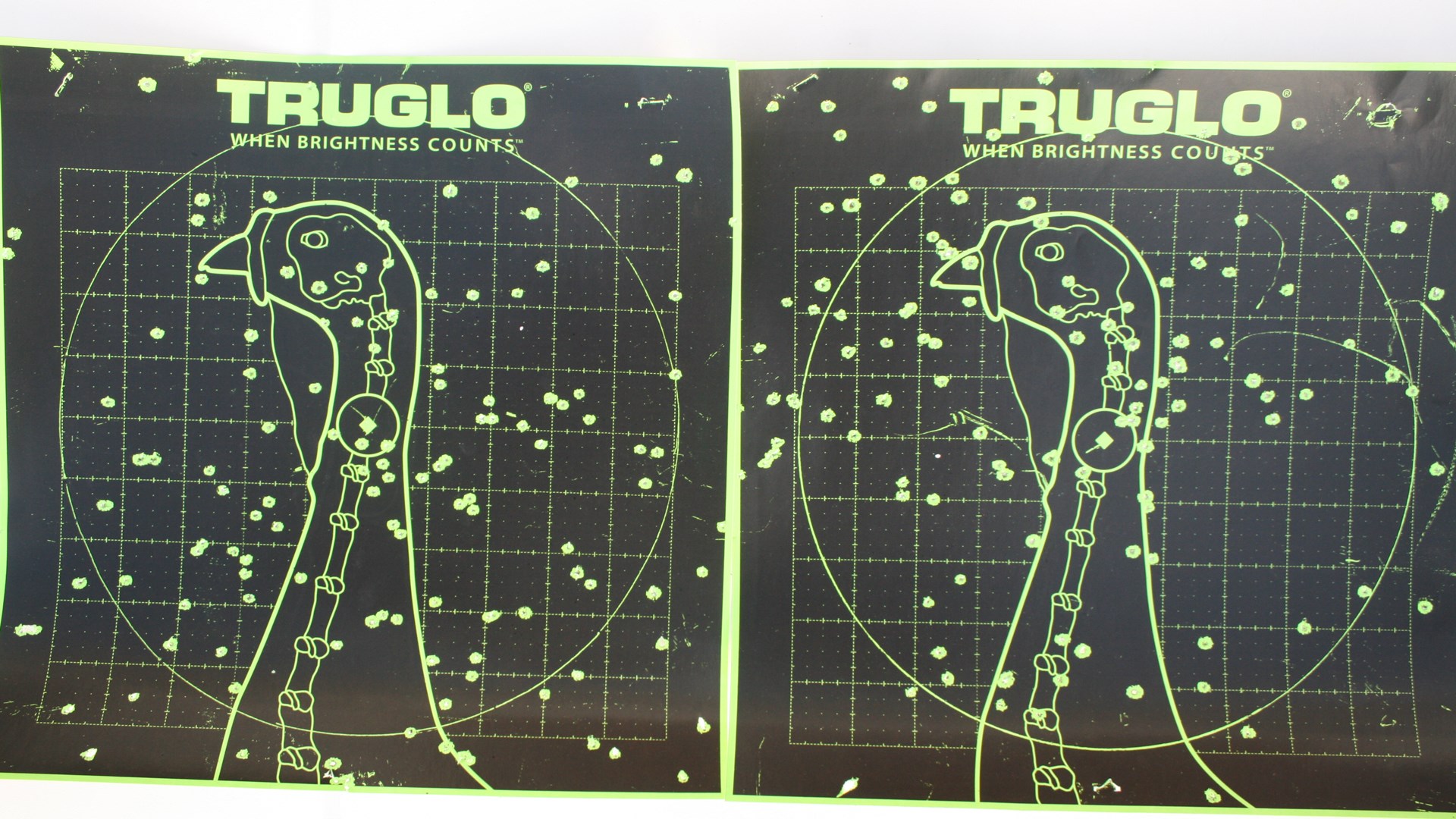
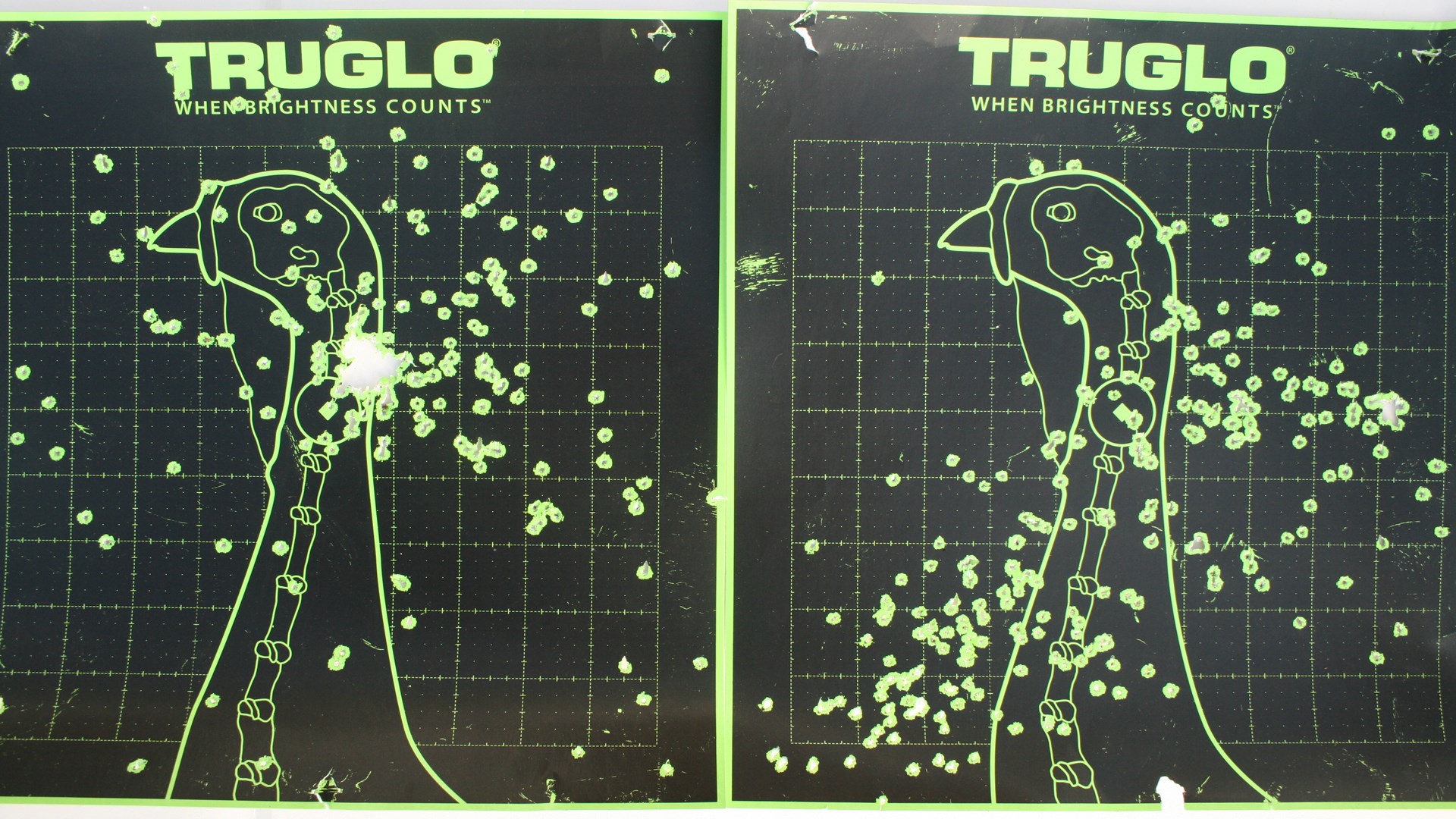
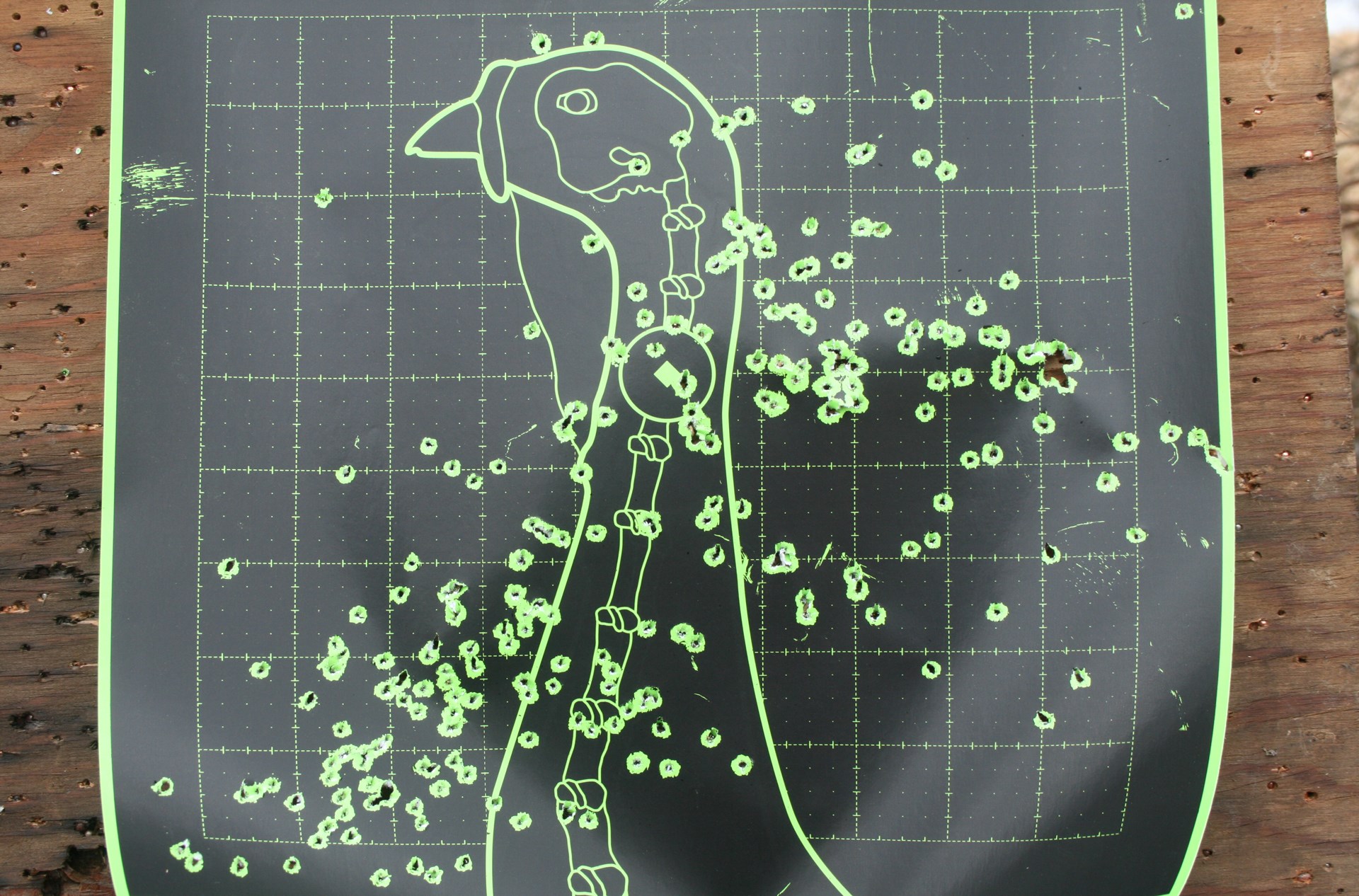
The final decision with regard to load selection will need to be made at the patterning board. Certain shells will pair better with your shotgun and choke than others, and only through testing—using multiple loads and shots—will you discover the one that consistently produces dense patterns at the distance you intend to shoot.
While an overabundance of options makes selecting the right one more challenging, choice provides an opportunity to identify the turkey load best suited for your hunting style, environment, shotgun configuration and to meet regulations. Using what you learned here, it’s time to start that journey to discovery.