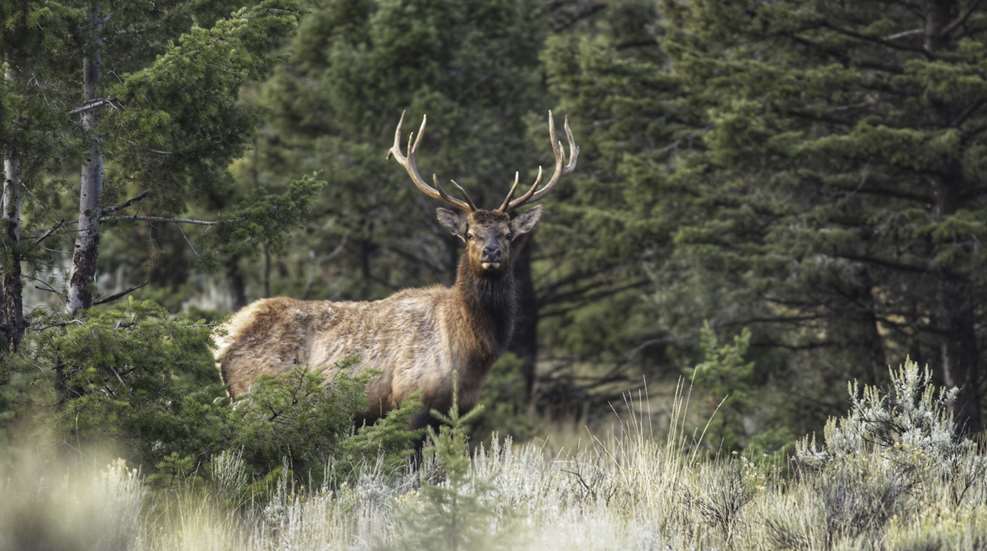
The only thing I can confidently say about elk hunting is that education is ongoing. After decades of autumns spent in elk country, I have learned a few hard and fast guidelines to heighten my odds of success, even without standing over an elk at the end of the hunt. Elk hunting is changing from season to season. Every lesson you learn from a previous season of hunting has merit in overcoming the low odds already stacked against you.
Get Intimate … With the Land
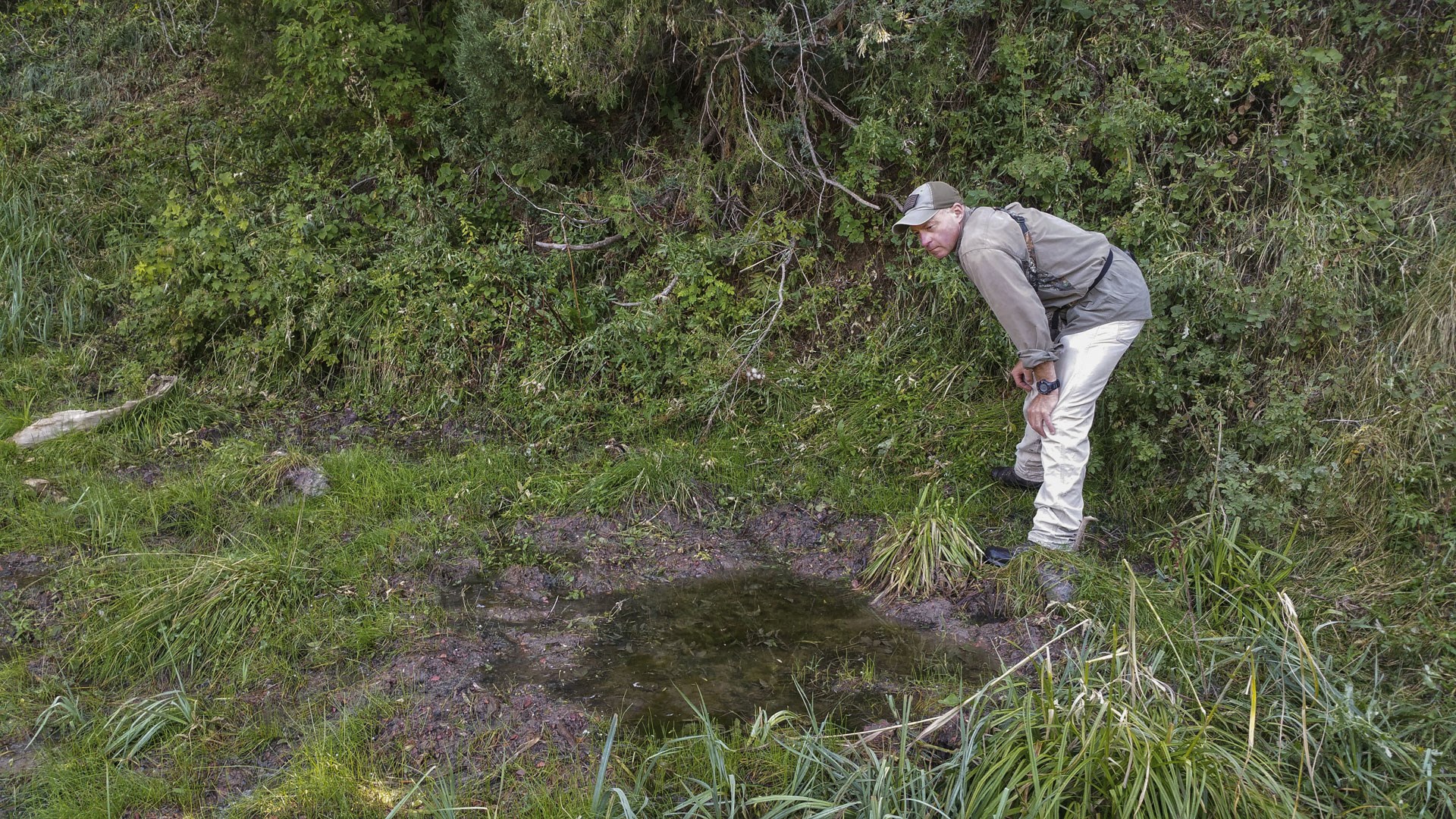
I cannot stress the importance of learning hunting country intimately. On many of my early elk hunts I finally gained an understanding of how elk were using country at the time I had to pack up and leave. Get your homework done before the hunt. Sure, hunting apps like HuntStand provide you with a NASA-like look at the terrain, but realistically, this satellite view lacks a true appreciation of the landscape.
After hours of scrutinizing my hunting app and adding notes from a variety of sources (friends and forums), whenever possible, I try to visit a hunting unit prior to hunting it. Sometimes this occurs in the summer months, sometimes during a winter vacation and two years ago I arrived in Arizona a week before the season to ramrod around the unit. That trip kicked off with me bouncing my trailer down a dreadful dirt road before discovering a better maintained Forest Service road offering smoother access.
The same was true of a summer trip to a Montana general unit last year. A close friend hunted it several years earlier and shared with me his elk sighting locations. In between, high winds toppled a bevy of beetle-killed trees. My preseason visit helped me determine better routes around the deadfall jungle to efficiently hunt the area later.
Any visit should also include confirmation of elk grazing areas, water sources, roadless regions and where to expect the general hunting public to gather. They will tend to take the easy path, so scout for the complete opposite like elk will.
Keep Your Quarry Close
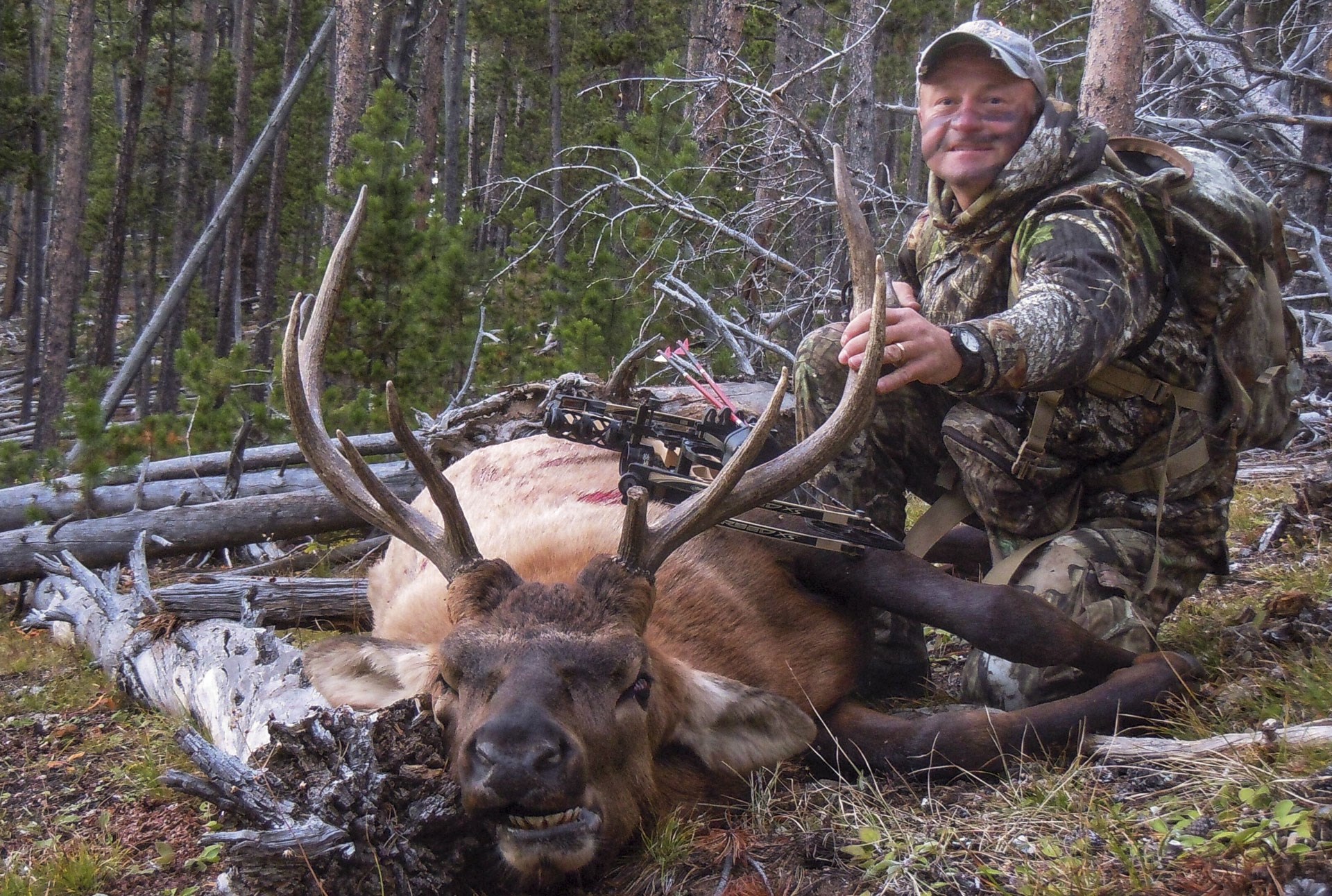
The road was dirt, meaning it would be mud if rain or snow fell from the mountain skies. Nevertheless, I bumped my durable horse trailer up the mountain to make camp. Why risk the road conditions, not to mention the beating on my equipment? I wanted to camp close to the elk. Even if the road turned to muck, I’d be in a location to continue the hunt and wait for the road conditions to improve for a later exit if need be.
Whenever I hunt elk, I prefer to camp as close as possible with the best comforts available. That could mean backpacking into an area for several days of backcountry living. Oftentimes I bivy camp after the opener as elk begin shifting patterns and homelands in response to hunting pressure. A horse trailer serves as my base camp (and ATV hauler, sometimes horses) and if elk vacate the area of my main camp, it’s time to bivy.
Those improvised recon camps may be the front seat of my elderly Ram truck or a genuine bivy camp that I keep assembled in a separate backpack for immediate deployment. Regardless of my extemporaneous sleep modes, I strive to stay close to elk. During your online or boots-on-the-ground scouting, mark as many camp locations as possible throughout your hunting unit. Expect some to be unreachable due to road conditions, others already occupied and few that look good on satellite, but will not cut the mustard due to uneven topography.
Be First in Line
I’ve always been an early-morning person. Let me rephrase that: I’ve always been a very early-morning person. This weird persona comes in handy during elk season when a trailhead hike kicks off the morning pursuit. As elk country becomes more and more crowded with public-land hunters, being first in line at a trailhead in the morning makes sense. The early bird gets the worm or maybe even an elk.
Even if you backpack into the backcountry, expect to run into other iron-man contestants going after the same elk. Rise and shine early to get to the elk before they do. My definition of an early arrival is getting to where the elk are at least 30 minutes before shooting light and oftentimes I arrive nearly an hour before the starting gun fires. A couple bonuses benefit your hunt by arriving on a trash collector schedule.
First, most of my hikes into elk country take at least 1 to 1½ hours. Any early kickoff allows a leisurely hike to take breaks and minimize perspiration. Sweating increases your scent footprint and in cold conditions leads to hypothermia. Take your time trekking toward elk and reduce these factors.
Second, around the same time you’re sneaking through the woods, elk are considering their next move. Many have congregated on feeding areas, possibly low-elevation areas disposed to better grazing and water, and will begin their move to daytime refuge. Moving elk, particularly during the rut, are noisy elk. Even throughout the fall herds chatter as they transition from feeding to sanctuary. These vocal cues help you adjust your ambush, and if elk are not where you expected the early start provides you with more hours to find the wayward beasts.
Lastly, you get ahead of your hunting competitors. I have shot quite a few elk within the first 10 minutes of shooting light as others were just arriving at trailheads.
Don’t Be Fussy
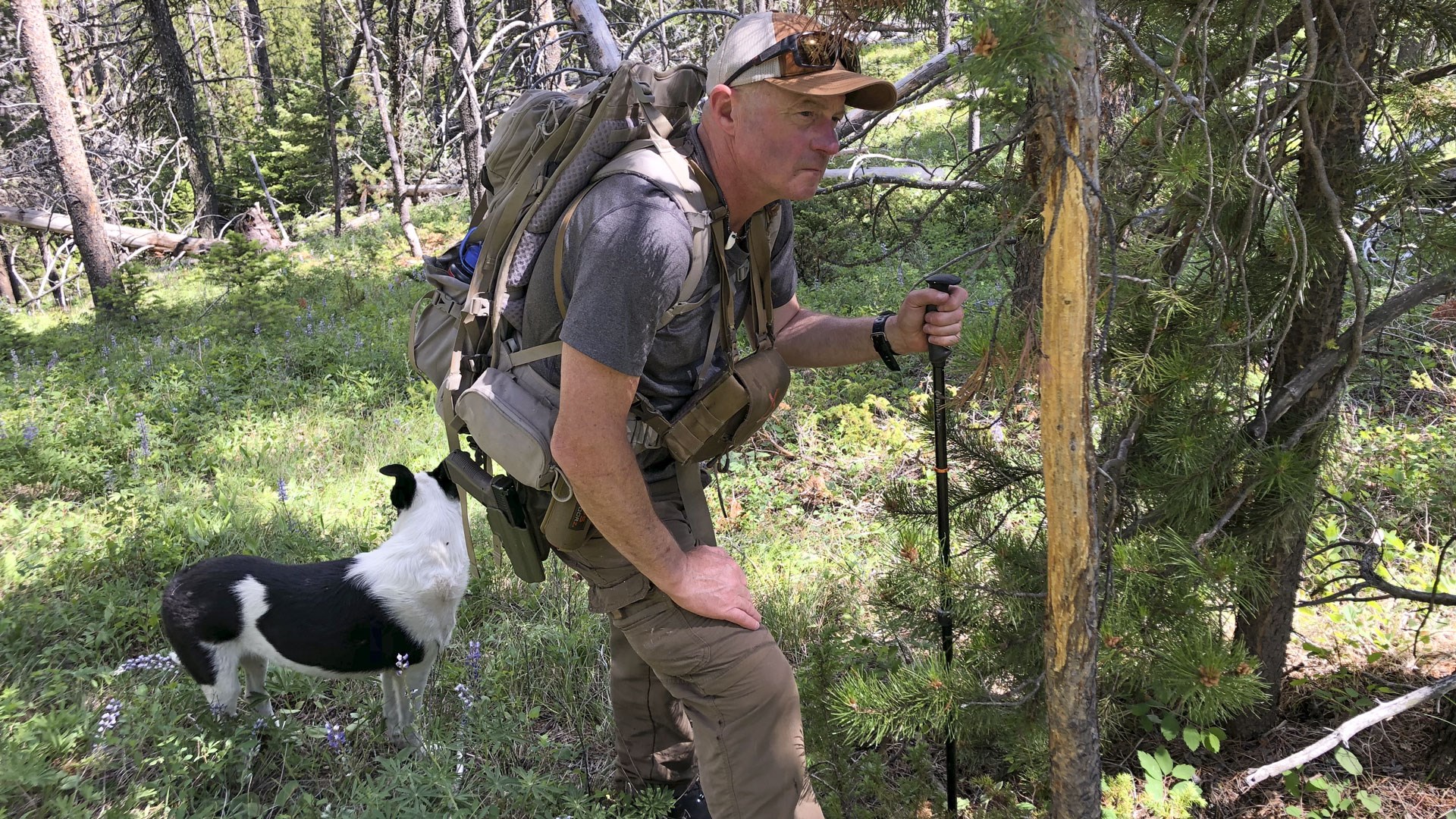
Hindsight is always 20/20, and I mentally kicked myself for not following that sound advice. Forecasts did not predict the snow piling up day after day in my Wyoming hunting unit, but here I was near hypothermia and trudging through knee-deep snow to get between slopes for a potential elk sighting. So why the mental butt kicking? On day three of my hunt I could have pulled the trigger on a young 5x5 bull before the mountain took on a North Pole appearance. I struggle with this guideline, but in most public-land hunting units, particularly general units, don’t be fussy.
Any elk is a good elk and they all eat the same. Unless you have drawn a once-in-a-lifetime tag, notch your tag on any legal bull. I don’t mind passing on a cow with an any-elk tag in hand, but even then, do not get overly enthusiastic about your odds of a venison victory. Study up on unit success, makeup of the unit herd (bull-to-cow ratio) and do the math on how much time you must commit to the hunt for a successful outcome. The elk you pass on day one may become ghosts on day two as they dive into remote country or merely leave without a forwarding address. When you look at success numbers, especially in general units, rates rarely exceed 20 percent success. Even in many permitted units success stays below 40 percent. Study the success data, talk with others who spend time in the unit and be honest with yourself on your capability to maintain hunting enthusiasm over a week of grueling challenges.
Every season I learn something new about elk and elk country. Add it all together and I am a mediocre student of the mountain, but a knowledgeable, learning student nonetheless.