The evolution of the hunting rifle as we know it today has been a winding trail through the forest of firepower and design innovation. Walk with me down memory lane to revisit the classics and how they laid the foundation for the hunting rifles of today.
This is an Alice in Wonderland-type rabbit hole that could descend all the way back to black powder. However, for the purpose and spirit of this little exercise, we’re going to start around the 1800s with something more translatable for today.
There are four platforms we are going to discuss—single-shot, lever, semi-auto and bolt. Double rifles are their own beast entirely and are a topic for another day.
Less is More
A single-shot rifle is predicated on two things—minimalism and competence. There is a focus on simplicity and a need for unerring accuracy—the first shot must count because you don’t have another.
The early single-shot rifles that really made a mark in the world of accuracy were the Sharps. These big-bore falling-block rifles were strong in long-range accuracy and effective on large game.
In addition to undeniable results in the field, Sharps figured prominently in quite a few Hollywood efforts. Western-style films such as Quigley Down Under and Young Guns showcased the engineering excellence of the Sharps rifle platform.
Today, single-shot rifles are not tremendously sought after but still present in specific markets. That said, there is one that maintains a space in hunting camps across the country—the Ruger #1.
The Ruger #1 is a notable modern-day example of single-shot sentiment. Introduced in the 1960s, this classically beautiful rifle enjoys a love/hate reputation. With elegant proportions and sensual lines, the Ruger #1 is a favorite on principle of many. The downside? They are not known for consistently accurate results downrange.
For the Love of the Lever

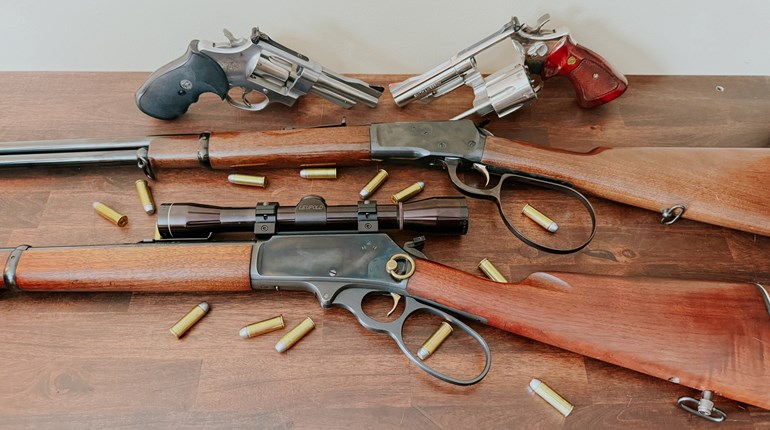
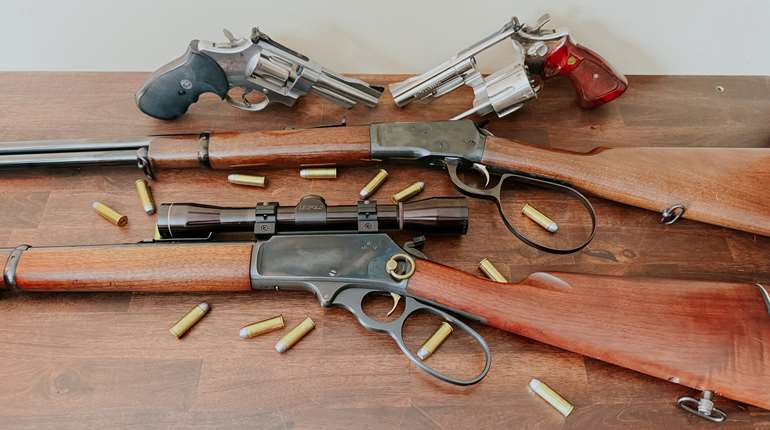
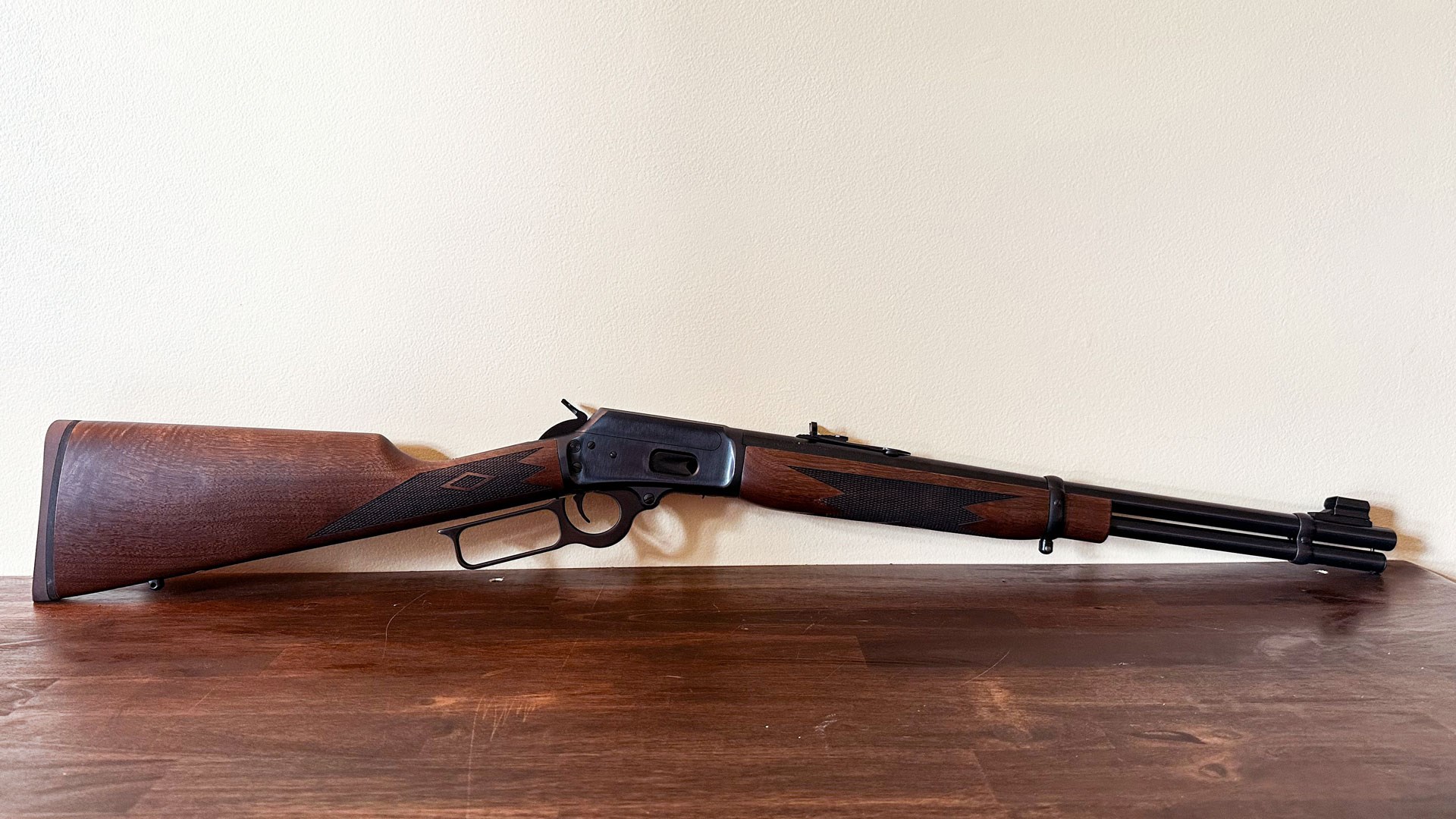
The lever gun has been a fixture in hunting camp racks for a couple hundred years now. With myriad manufactures and a handful of go-to calibers, it is a timeless platform for the American hunter. Let’s take a look at some models that set the stage for what we’re seeing today.
The early Winchester lever guns popularized in the 1880s are the basis for most of the lever guns in the current market. With inherently simple mechanics and timeless aesthetics, the lever hasn’t changed tremendously in the last 150 years.
Thanks to modern ammunition advancements, the lever gun is only growing in popularity. Companies such as Henry and Marlin are at the forefront of this wave with innovations such as customized stocks, barrel threading and Picatinny rails, to name a few.
The Semi-Auto Space
The earliest influential semi-automatic rifle was compliments of Browning. The BAR was gas-operated and available in .30-06 in both military and civilian variants. The BAR pioneered reliable gas operated center rifles.
A note here on function. Due to kinetic energy and max pressures, centerfire rifles generally remain in the gas-operated category. Inertia operated guns are effective and safe with lower PSI and kinetic energy (generally under 50,000 PSI). The Colt 1911 was a key example of the early inertial systems.
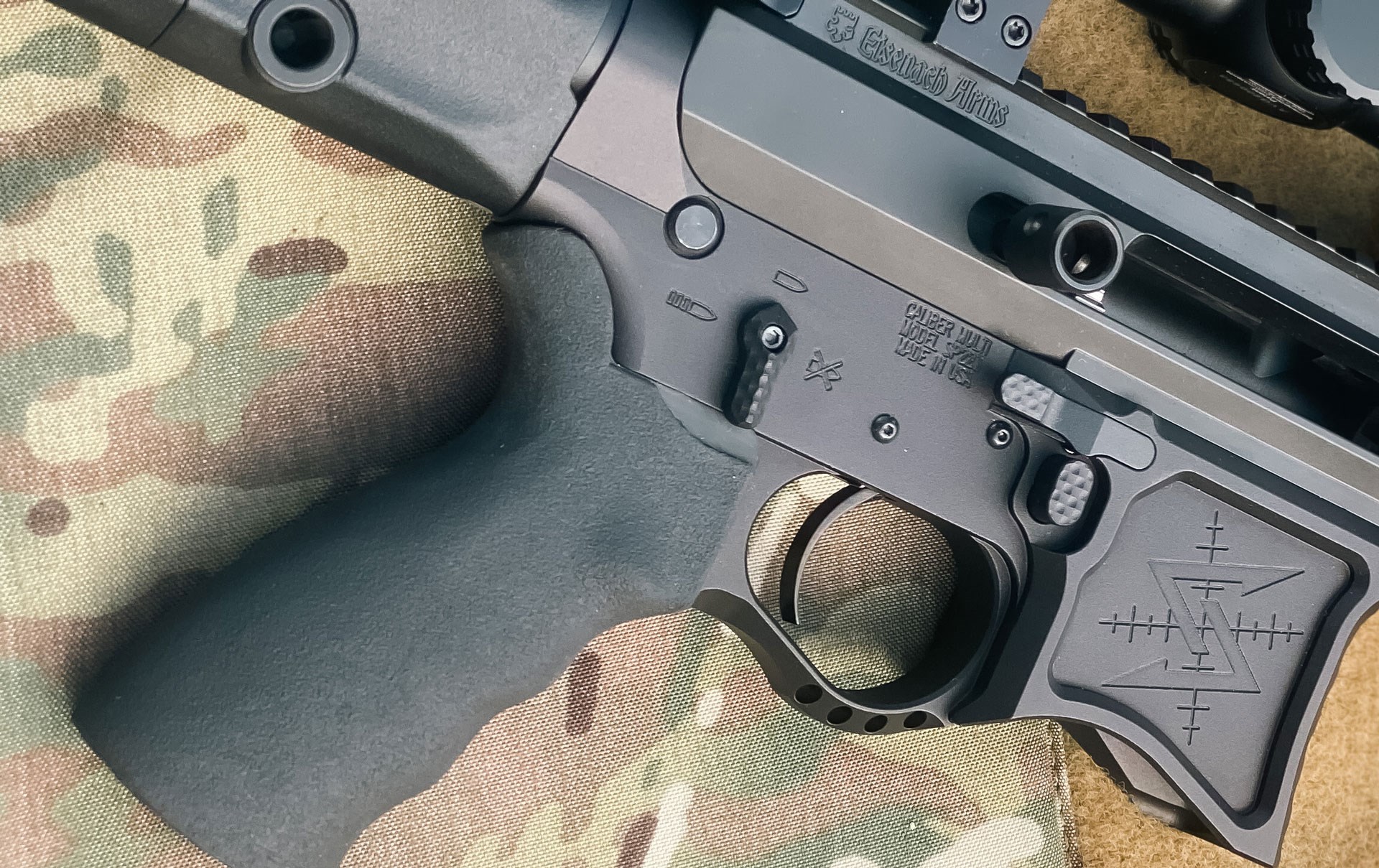
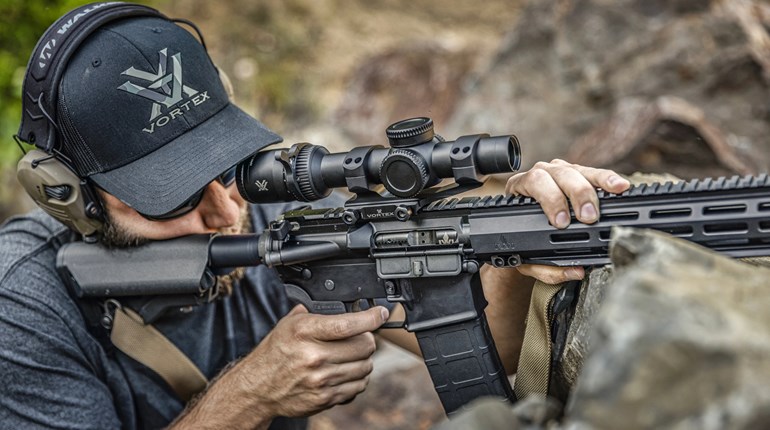
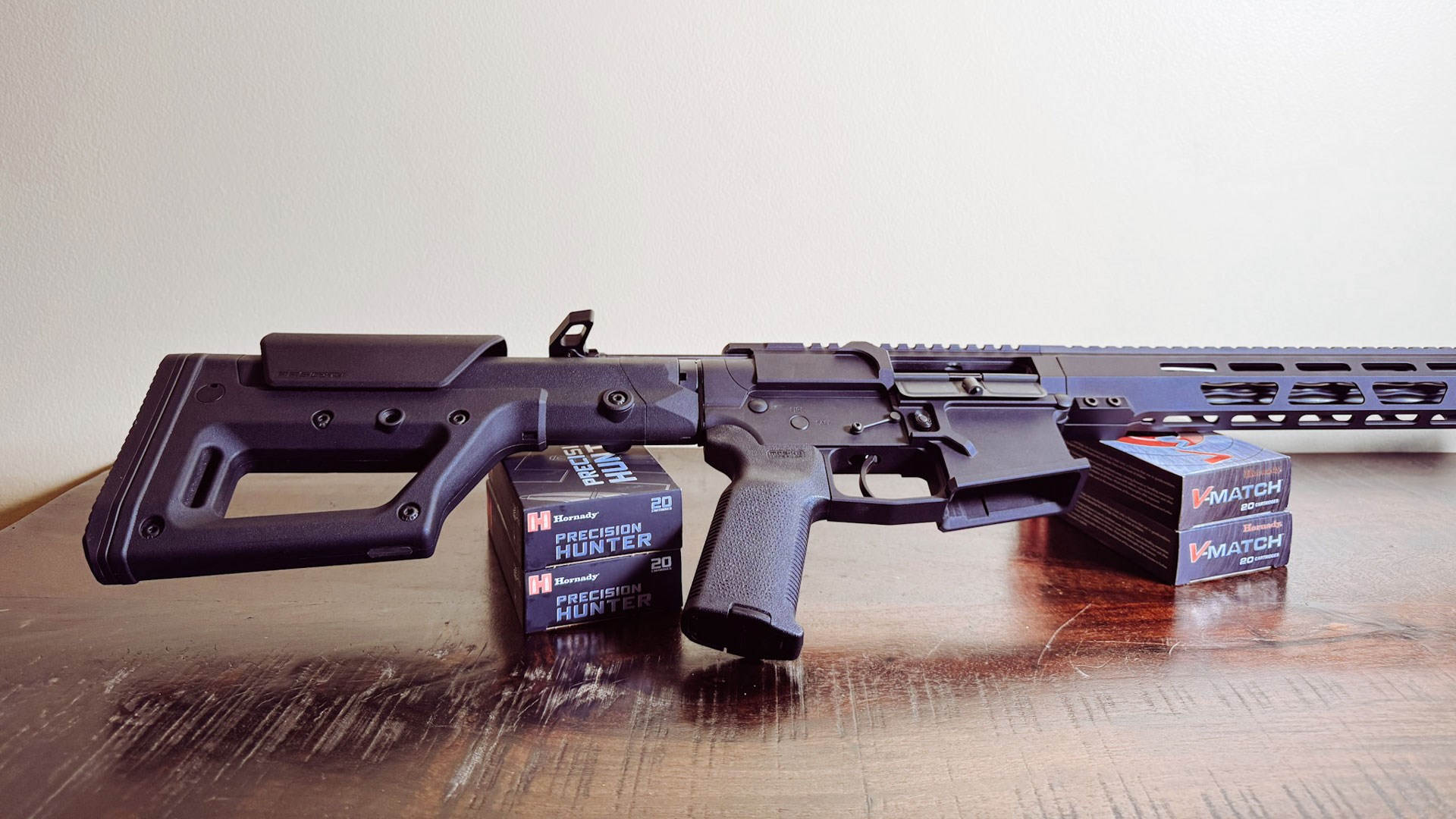
Today we have the AR-15 and the AR-10 as our nod to semi-autos of that past. The AR concept is essentially a Lego set for adults. With endless options for parts and pieces and broad caliber compatibility, the AR platform is a highly functional gas-operated semi-auto system.
Modern goodies such as threading for breaks and suppressors, optics and accessory rails, and custom stock/grip options make the AR an attractive go-t0 for the gun enthusiast seeking a modern hunting rifle.
The AK-47, while still a gas operated semi-auto rifle, lacks the DIY appeal of today’s AR’s and is less prevalent for modern hunting applications.
The Bolt Action—Premise, Process, Perfection
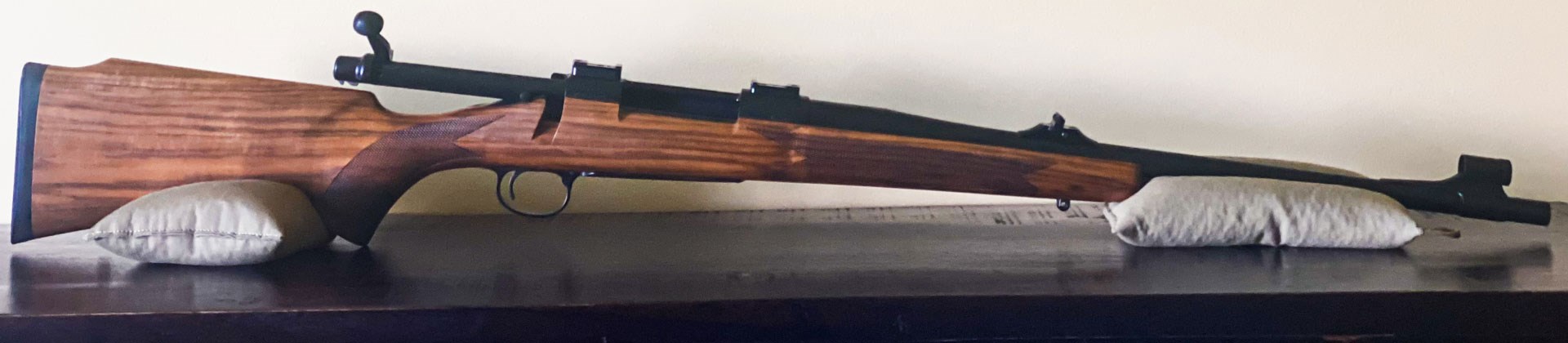
There are a few pillars in the world of centerfire rifles. The Mauser action is arguably one of them. The Mauser 98 controlled round feed action has served as a foundational centerpiece since its inception in 1898.
Developed by Peter Paul Mauser as a military infantry rifle, the Mauser 98 was the pinnacle iteration of design efforts dating back to the 1870s. Its current form has been essentially unaltered since the 1898 version.
Along the lines of the Mauser 98 we have the Winchester Model 70. Keep in mind, the Mauser 98 was developed for infantry application —polish and refinement were superseded by the need for functionality and reliability in hostile conditions. The Model 70 brought the elegant touch to the highly functional and impeccably engineered Mauser 98. Designed to chase four legged creatures rather than two, the Winchester Model 70 still holds a firm place of honor as a timeless favorite.
Another foundational action worth mentioning is brought to us by Humphrey Springfield. Introduced in the early 1900s in .30-03, the 1903 Springfield bolt action came with many Mauser-ish traits. It was later converted over to .30-06 Springfield and was carried as an infantry mainstay until 1936.
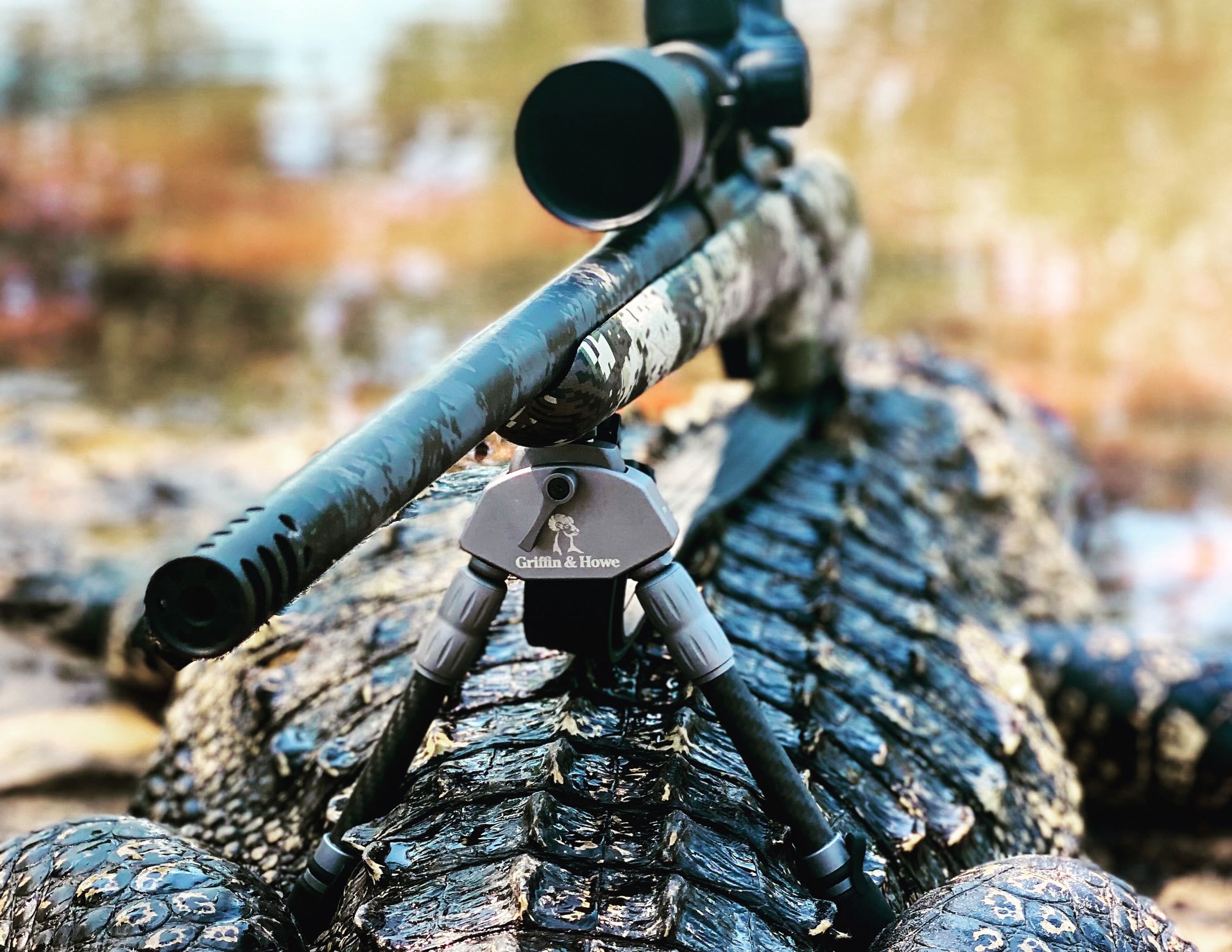
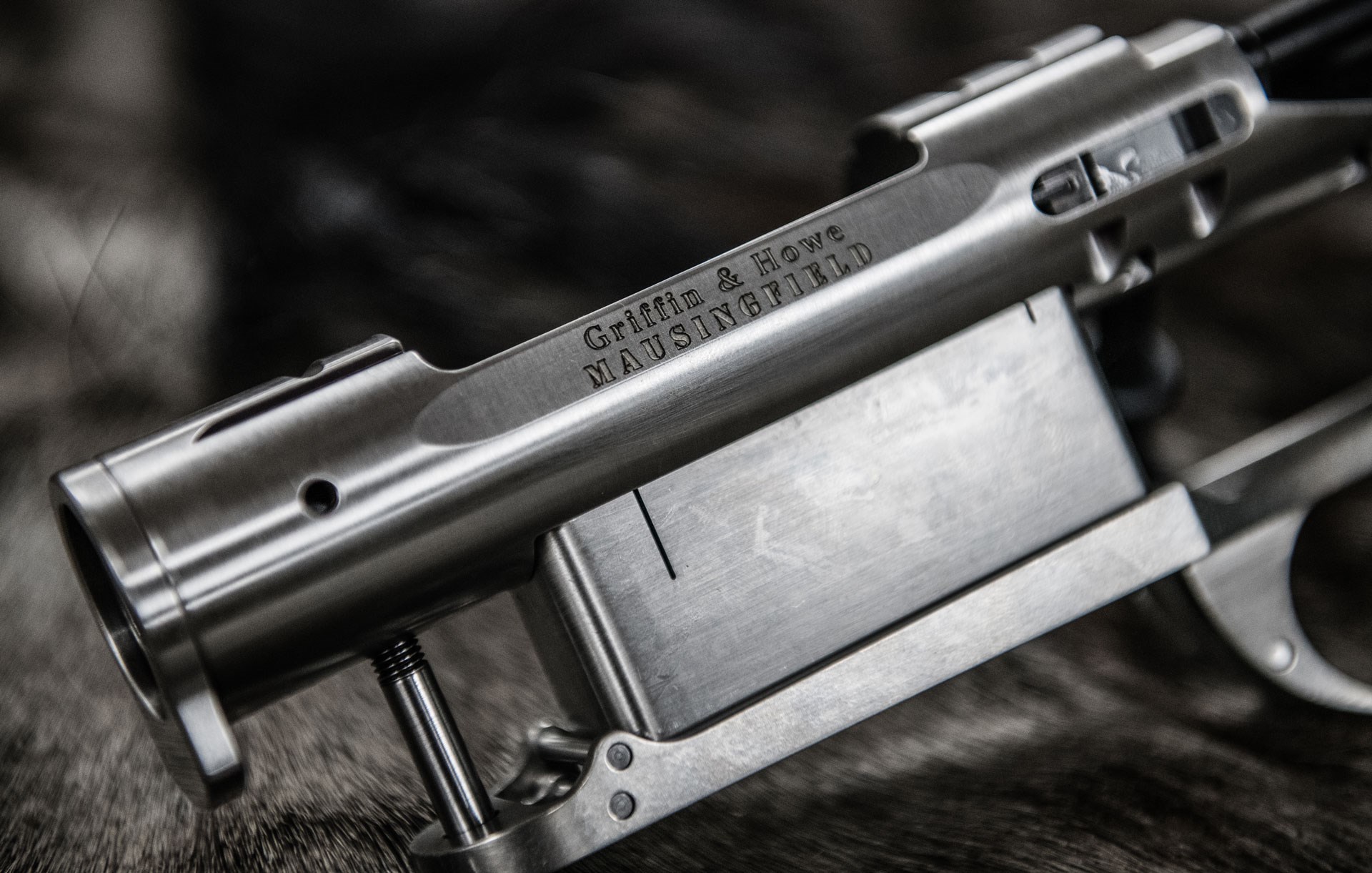
Griffin & Howe, the long standing American custom gunmaker, has based much of their success upon sporterizing the 1903 Springfield action. With a focus on luxury and legacy and a no-compromise approach toward quality and accuracy, Griffin & Howe has been creating bespoke hunting rifles since 1923 based on this action.
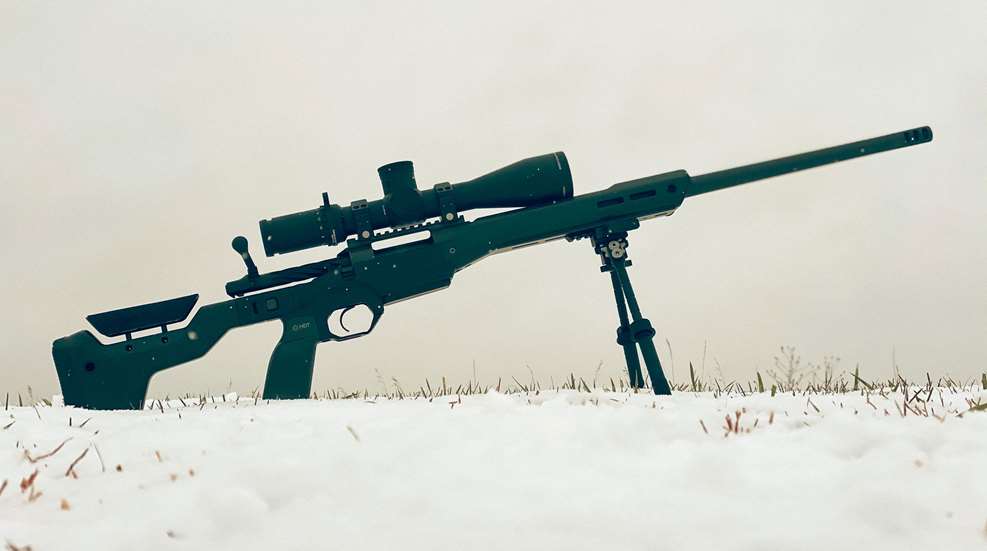
The last bolt style action we are going to touch on is the Remington 700. Introduced in the 1960s, the Remington 700 is mechanically consistent as well as efficient to manufacture. With a push feed construct vs. controlled round feed, the 700 action is focused primarily on non-dangerous game hunting applications and targets. Today, the Remington 700 action and its clones are firm fixtures in the American hunting rifle world.
Classics Made Complete
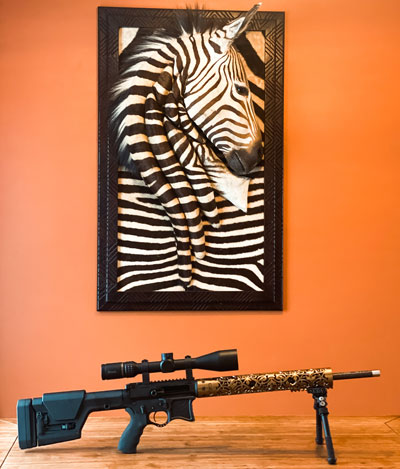
Over the course of this conversation, I was struck by a few things. First, modern hunting rifles are firmly rooted in past progressions. With bolt and lever platforms especially, the fundamentals were so impeccable, there wasn’t tremendous space for change. While improvements and manufacturing processes have certainly evolved over the last century plus, the basic framework has remained very consistent.
Second, the most significant evolutions have occurred in the semi-auto realm. From the BAR to the AR platforms as we know them today, the functionality and precision have grown substantially. Building and accessorizing ARs has become a huge facet of the firearms industry.
Finally, the modern hunting rifle, regardless of platform, holds firm ties to the classics of the past. Whether you take to the woods with a tac’d out lever gun, a carbon’d up sporterized bolt rifle or an SBR with a red-dot, you’re holding a piece of history in your hands. I don’t know about you, but the future just feels different knowing more about the past.
Happy Hunting,
Andi