Utah’s innovative Watershed Restoration Initiative improved and restored 168,882 acres of high-priority watersheds and habitats during the state’s past fiscal year. Created in 2006, this Utah Department of Natural Resources partnership-based program focuses on: improving watershed health and biological diversity; increasing water quality and yield; and improving opportunities for sustainable uses of natural resources, including restoring fish and wildlife habitats.
As one of the initiative’s founding partners, the Utah Division of Wildlife Resources plays a key role in planning, overseeing and implementing regional restoration projects.
“These proactive projects to improve wildlife habitat and watershed health throughout the state are crucial, not only for our fish and wildlife species, but also for the residents of Utah,” Utah Watershed Restoration Initiative Program director Tyler Thompson said. “It takes a great deal of coordination and funding to make these projects possible, and we are very grateful to our many partners and their continued support of wildlife conservation and improving water quality.”
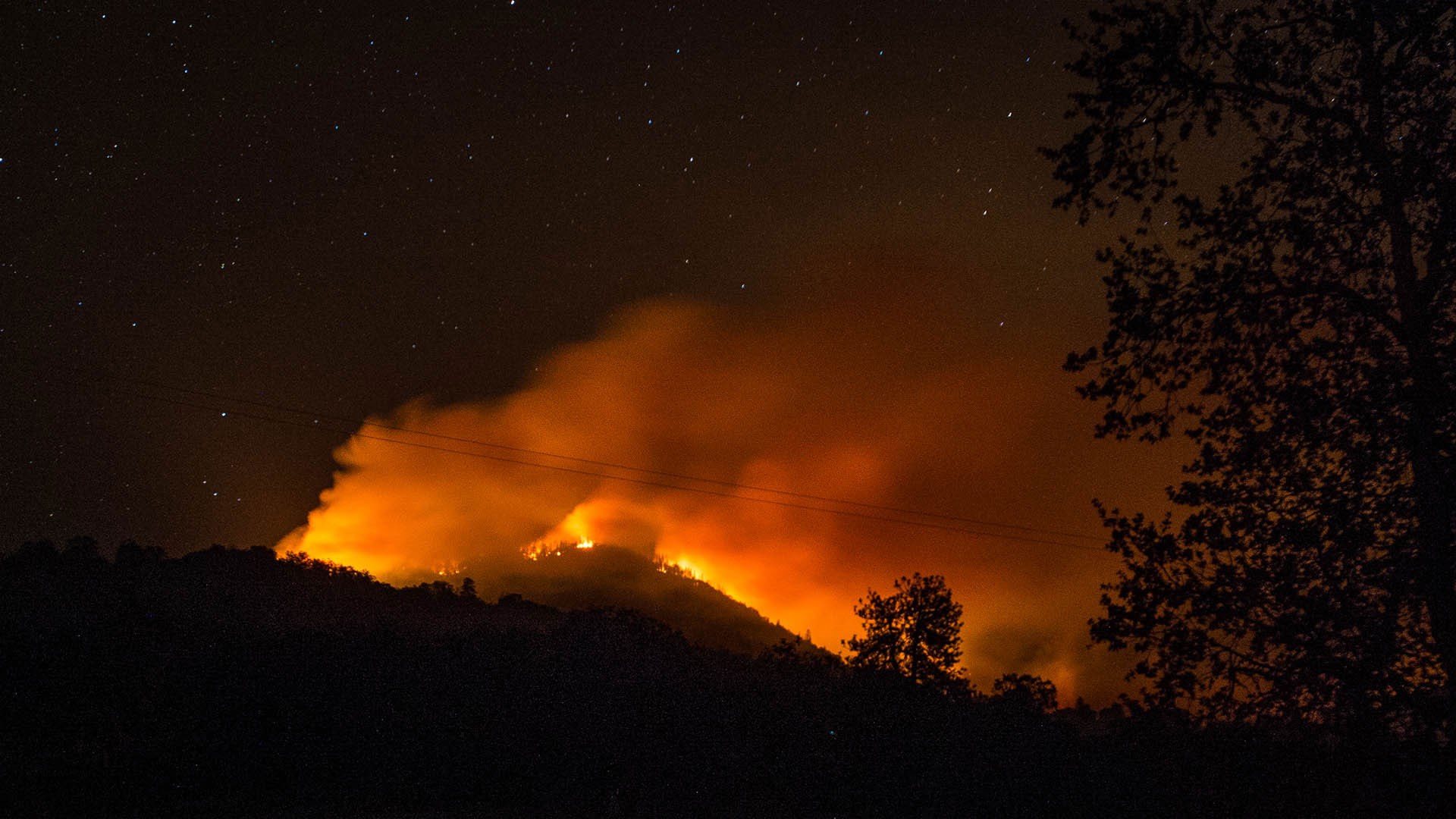
Between 2023 and 2024 the Utah Watershed Restoration Initiative’s list of completed habitat restoration work included restoration of the above-mentioned 168,882 acres, 23,245 of them having been burned by wildfire. The program also mixed and spread 442,572 pounds of seed on various landscapes and completed 148 projects and improved 119 miles of streams.
There was an economic benefit, as well. The effort created an estimated 835 jobs in the state.
More than $48 million in funding was invested by over 80 partners to pay for projects. Part of the revenue comes from the Utah DWR Habitat Council, which is funded by a portion of the fees outdoorsmen and women pay for licenses, permits, stamps and certificates of registration. Other financial partners include the Bureau of Land Management, U.S. Forest Service, U.S. Fish and Wildlife Service, Natural Resources Conservation Service, conservation groups and other non-government organizations.
Habitat work through Utah’s Watershed Restoration Initiative includes aerial seeding after a wildfire, removing encroaching trees for sagebrush preservation, prescribed burns, stream restoration and planting shrubs and sagebrush. The effort helps provide feed and shelter for mule deer, sage-grouse and other wildlife species.
The program has improved nearly 2.7-million acres of Utah’s landscapes through more than 2,800 restoration projects since it was founded. Visit the WRI website to see where these projects have taken place across the state.