Know-How: Bleat Now!

by
posted on September 25, 2017
** When you buy products through the links on our site, we may earn a commission that supports NRA's mission to protect, preserve and defend the Second Amendment. **
bleat_now_f.jpg

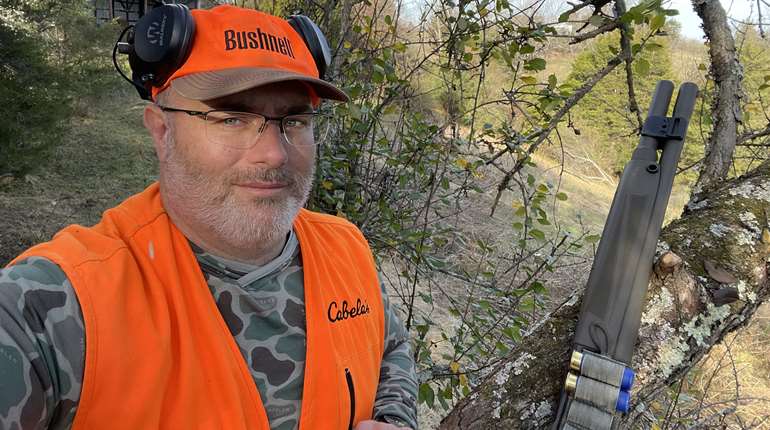
The early October morning was getting hot. I’d seen a few does far off between the trees, but that was two hours before. I wanted to fill a doe tag and had come to this stand in the early season for that purpose. Before climbing down I decided to try a bleat call, as I didn’t think it could hurt. I didn’t expect much but then, just a minute later, a doe group came in fast. The lead doe had that “searching” expression on her face we more often associate with bucks in the rut. She approached my tree in such a rush that I almost didn’t get my bow off its hook before she was under my stand.

Since then I’ve learned the early season is a great time to bleat like a fawn. This works best near doe bedding areas. It’s not magic—what is?—but I have now killed a lot of does using this method.

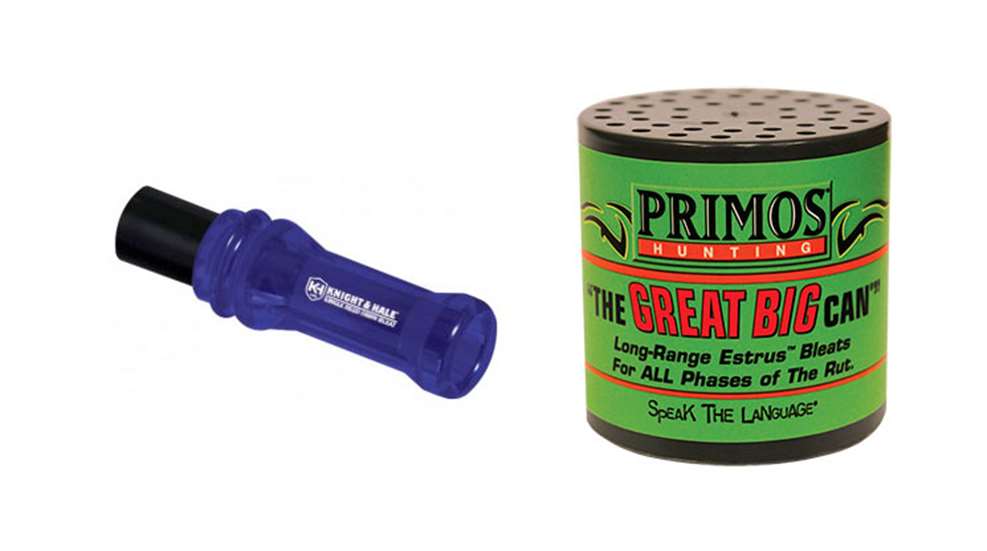
There are basically two types of bleats we can utilize when hunting: a fawn-in-distress bleat and a doe-in-estrous bleat. In the pre-rut when I want to fill a doe tag, I try a fawn-in-distress bleat with a single-reed mouth call like Knight & Hale’s Single Reed Fawn Bleat. When the woods are quiet, distress bleats can reach surprisingly far. Later in the rut, a doe-in-estrous bleat can be a convincer to bring in a cruising buck. Honestly, I’ve never heard a doe in estrous make this call, but I have had a lot of bucks respond positively to it. For this, nothing works better than The Great Big Can from Primos. Just keep it in your pocket, and flip it over and back again to bring a buck into bow range.

Latest

Herman Shooting SA 35 4 Inch

#SundayGunday: Springfield Armory SA-35 4"

Springfield's SA-35 4” maintains the “wood and steel” vibes of yesteryear, with a blued finish on the gun’s carbon steel, and checkered walnut grips. Curious about this updated version of a true classic? Check out this exclusive edition of #SundayGunday.

Will Grizzly Bear Management be Returned to the States?

When the grizzly bear in the Lower 48 was given Endangered Species Act (ESA) protection as a threatened species in 1975, it was supposed to be a temporary protection that would be lifted once populations met or exceeded specific goals. Now more than a half century later and with grizzly populations that have spread and met or far surpassed the goals set in 1975.

New for 2026: Leupold LCO Pro F2 Red-Dot

Leupold & Stevens, Inc. has launched its LCO Pro F2 red-dot sight, combining optical clarity, reliability and purpose-built features in a full-sized red dot.

Member's Best 2026

I am heartened by this year’s entries. In addition to fabulous photographs, almost all of you delivered exceptional narratives of your hunts. We used your very words wherever possible because it’s an honor to see you all rise to such an occasion as sharing a special moment with your fellow hunters. You now know a little bit about what drives an outdoor writer. —J. Scott Olmsted, Editor in Chief

New for 2026: Vortex Crossfire II

Available with either a red or green dot, the Vortex Crossfire II Red Dot lineup brings added function to the Crossfire series.

USFWS Proposes New Grizzly Bear Management Rule

On July 17 the U.S. Fish and Wildlife Service (USFWS) published a proposed rulemaking change on the Federal Register that, if approved, would allow western states to better manage their grizzly bear population. Despite their burgeoning population the big bruins remain on the “endangered” list under the Endangered Species Act (ESA), a fact that has paralyzed regional conservation efforts, impacted other wildlife populations and dramatically increased human/bear conflicts.

Interests


Get the best of American Hunter delivered to your inbox.