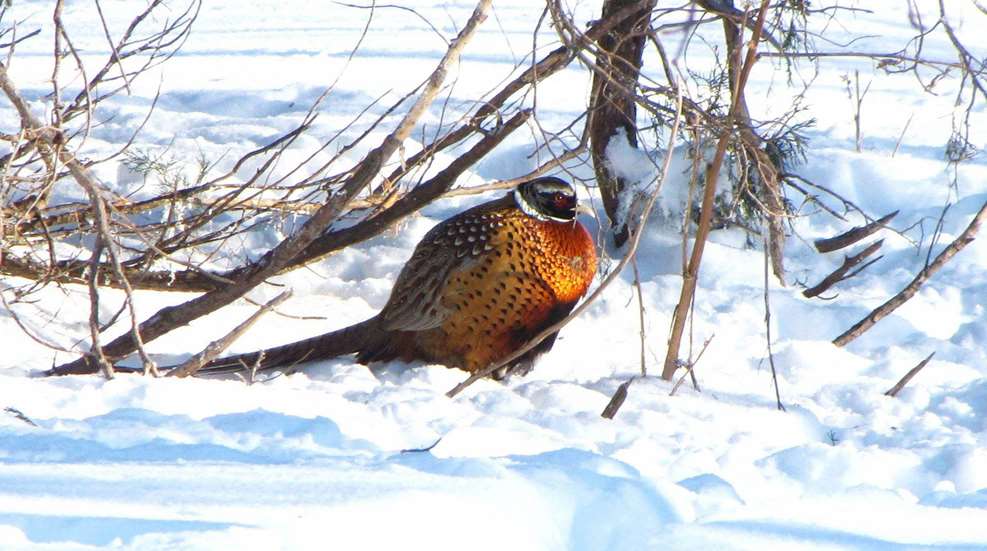
The Iowa Department of Natural Resources (DNR) and Pheasants Forever are celebrating 100 years of pheasant hunting in the Hawkeye State. The first season was held Oct. 20 to 22, 1925, when 13 counties in north central Iowa were opened to pheasant hunting. Hunters were allowed a three-rooster limit, for a half-day of hunting. An estimated 75,000 hunters participated.
Iowa’s current 70-plus day pheasant season, which opens the last Saturday in October and runs through Jan. 10 each year, is a long way from how it began. From 1926 to 1941 seasons lasted somewhere between two and seven days. Prior to 1933 it was only open in counties in which 150 landowners signed a petition to hold a season.
“It was surprising how ultra-conservative the seasons were early on, at a time when staff were fielding complaints that pheasants were damaging crops,” said Todd Bogenschutz, upland wildlife research biologist with the Iowa DNR. “But wildlife biology and management were a new science; the impacts of hunting and habitat on populations were not well understood.”
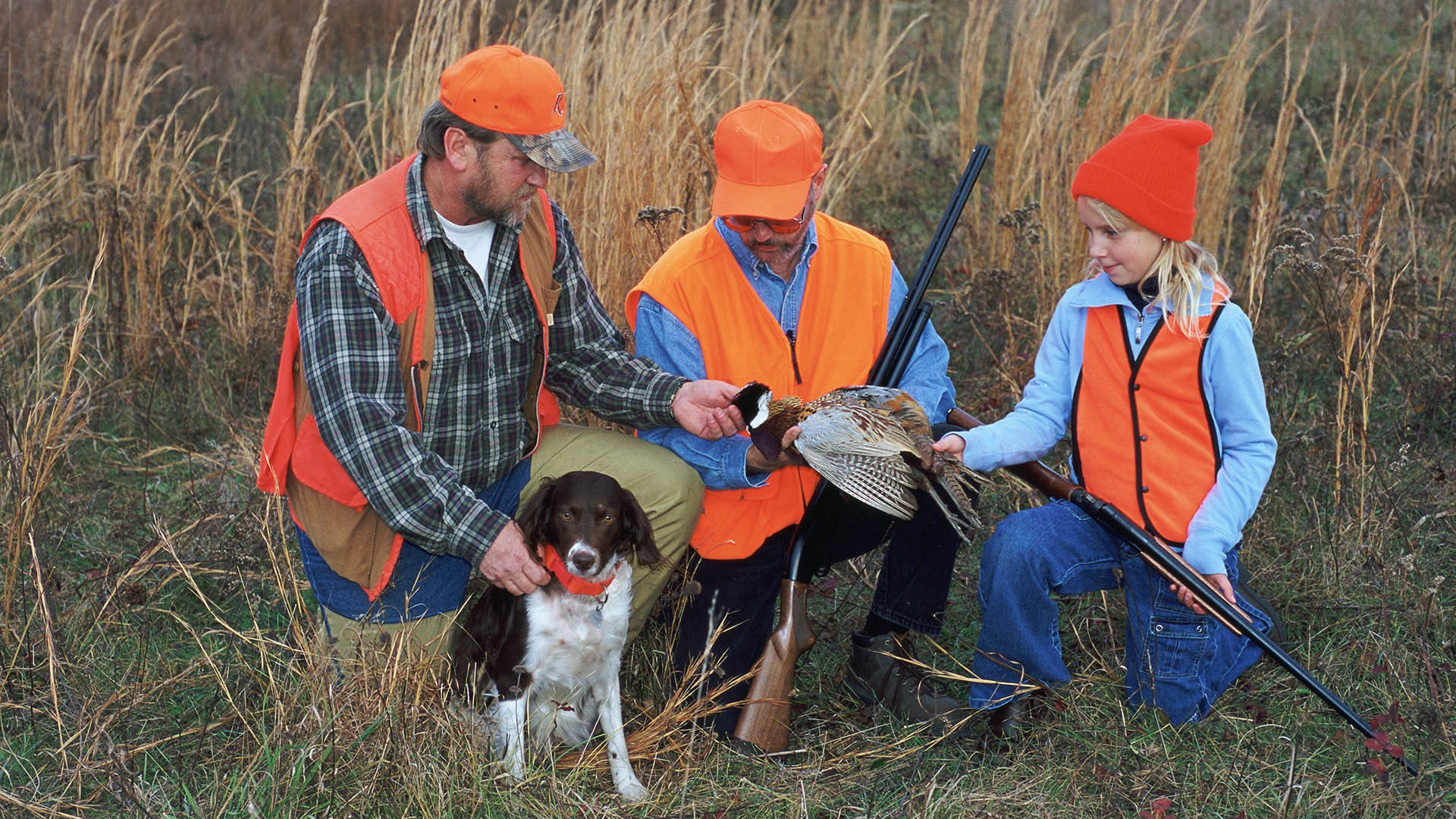
As the field of wildlife biology expanded, seasons lengthened as new research determined harvesting only roosters had little impact on the population. Studies also found the pheasant population can be impacted by hunting late into winter, because hens are flushed along with roosters, exposing them to risks from weather and predators.
Quail, Iowa’s other popular resident game bird, is often compared to pheasants, except quail are legal to hunt through the end of January. Research has also shown that late winter hunting does not impact Iowa’s quail population, largely because quail can offset this loss through reproduction. Quail can hatch four nests in a year whereas pheasants only produce one nest per year.
“That’s a common question we get since South Dakota extended its season through the end of January in 2020 to encourage nonresident hunters to come,” Bogenschutz said. “But we know that in states where the average snowfall exceeds 30 inches, hunting pheasants into late January can impact next year’s population. Weather in late January and February is almost always more severe than in November and December, and quality habitat becomes more limited due to the impact of deep snow on grassland habitats. Now with this past mild winter, it probably would have been fine, but in a severe winter it would really hammer the pheasants.”
“On the flipside, we’ve had requests to open the season earlier in October, but this comes with its own set of issues,” Bogenschutz said. “It’s a curve—this past fall we had a lot of young roosters that hadn’t fully colored up due to later nesting because of the floods in June. An earlier opener would also mean warmer temperatures which can impact both hunters and dogs, and likely lead to more standing crops on opening day. It can also conflict with duck and goose openers.
The sound scientific management employed by Iowa DNR ensures future generations will enjoy the wildlife for years to come—whether they do so behind a shotgun, binoculars or camera. Hunters can commemorate the 100th anniversary by purchasing a hard card featuring Iowa Pheasants Forever Print of the Year when they purchase their 2025 hunting and fishing licenses.
*In 1959 opening day of pheasant season in Iowa was delayed by 24 hours. It was scheduled the same day Iowa and Minnesota squared off on the gridiron. There has been no similar pigskin-related “conflict” since—for pheasant season anyway. The Hawks dominated in a 33-0 victory.