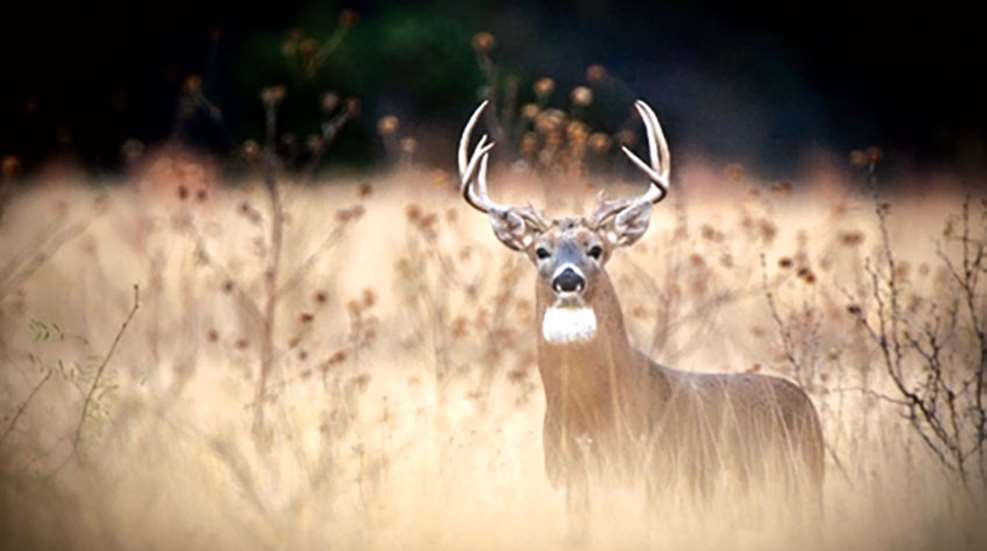
Time and again I have heard we need to stay out of a buck’s bedding area because if a buck is disturbed there, he will abandon it and perhaps move to the neighbor’s spread. This can be good advice if you have a lot of private land with no hunting pressure. But, if like most of us, you are hunting public land or heavily hunted private land, it hardly applies. Where is a buck going to go? It’s a dangerous world out there and that buck knows if he starts moving around in daylight he will quickly become burger.
Most deer hunters agree that hunting bucks after the rut is about as tough as it gets. The deer are worn out and focused on resting. They have also been hunted for the past few months and any left alive are wary and smart. But when they are “public land bucks” they’re even tougher, due to the intense pressure they have endured. If a buck is still alive, he is either very lucky, which is unlikely, or incredibly adept at avoiding hunters. By late-season they are moving only to feed and most of that is at night. They spend the days avoiding hunters, sleeping and recovering from the rut in some hiding spot, and you need to execute a home invasion to extract them.
Locating Buck Beds
So how do you find a buck’s bedding area? Well, you lay down some tracks. I like to spend some time after the deer season looking at all those places I didn’t get to hunt. I concentrate on trying to locate the bedding areas. Or, if the hunting season is still open and I’m not having any luck, I burn up a day or two finding out where they’re hiding.
Look in the nastiest, most inhospitable land you can find—places other hunters avoid like thick brush with lots of thorns, steep mountainsides with ledges or even deep in a murky swamp. I once was hunting a buck for a week without ever seeing him. Then one cold morning, late in the season, when everything was frozen solid, I followed his tracks deep into a beaver bog. He was laying up on the only clump of dry ground in a hundred acres. Seems he didn’t mind getting his feet wet to avoid new holes in his hide.
I didn’t get him that morning, but I learned where he lived. The next year I went in before the season with hip boots and a treestand and he never stood a chance.
Hunting Bedding Areas
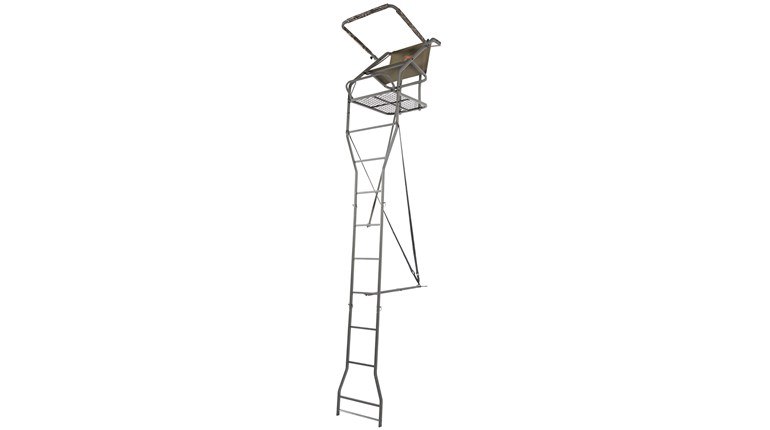
The best way to do this is to have your stand in a tree well in advance of the hunting season and then never use it until the bucks are feeling the pressure. But if it’s already hunting season, walk in there with the stand and run him off. Then place the stand as quickly as possible and don’t cut anything that’s visible from the ground. Don’t hide the noise while leaving. Give it a day or two and go hunt that buck.
This is not an easy way to hunt deer and it’s going to extract a price from you to do it right. So, before you start, ask yourself, “How bad do I want this buck?”
The key is to go in the dark while he is out feeding and get into your stand at least an hour before it even is thinking about getting light again. You must approach your stand carefully and you need to plan your travel so that your scent is not where the buck will be traveling back through or where he is sleeping. That means you might have to take the “long” way around and go through some nasty stuff. Avoid the temptation to use the deer trails you find, because, well, who do you think made those trails? Guess who is going to be walking on them soon? Of course, you must wear rubber boots and use all the other scent-control tricks, but you can never eliminate all your scent. A buck’s nose is extremely sensitive and the only way to fool it 100 percent of the time is not to go where the nose will be.
You are waiting for the deer to return and if you are very lucky you will shoot him at first light. But, if you don’t kill him, you can’t leave the stand until after he has gone out to feed again that night, which means waiting at least an hour after it gets dark. So, you are pretty much there for the entire day. If the buck discovers you are there hunting him, he will abandon the area.
I hate treestands and for me this is a glimpse of what hell must be like, but they can be very effective and so I am willing to endure the torture.
It is absolutely imperative you make no noise all day. The buck is going to be close by and he will hear you. Scent can also be a problem, but there is not a lot you can do other than work the prevailing wind when you place the stand and stay as clean as possible. Leave nothing on the ground and get as high as possible.
Even if you miss the buck in the morning, don’t worry; deer don’t go to bed and stay put for eight hours. Deer will often move around during the day, going from bed to bed, but they’ll stay within the safety of the hiding spot, so the beds are usually close to each other. Stay focused; it can happen at any time.
If another hunter wanders in and spooks the buck out of there, just sit tight. The buck will be back. Often they just run enough to get away and then they circle back, from downwind.
If you picked your spot well and didn’t do anything foolish, the buck might just walk right into your crosshairs.