How to Winterize Your Bird Dog

by
posted on November 18, 2014
** When you buy products through the links on our site, we may earn a commission that supports NRA's mission to protect, preserve and defend the Second Amendment. **
dogs_ah2015_fs.jpg (72)

December is approaching, which means frigid temperatures and snowfall aren't far behind. Cause for dismay? Heck no, it's a great time to pursue grouse amidst leaf-free aspens, and pheasant concentrations are more easily found among shelter belts.

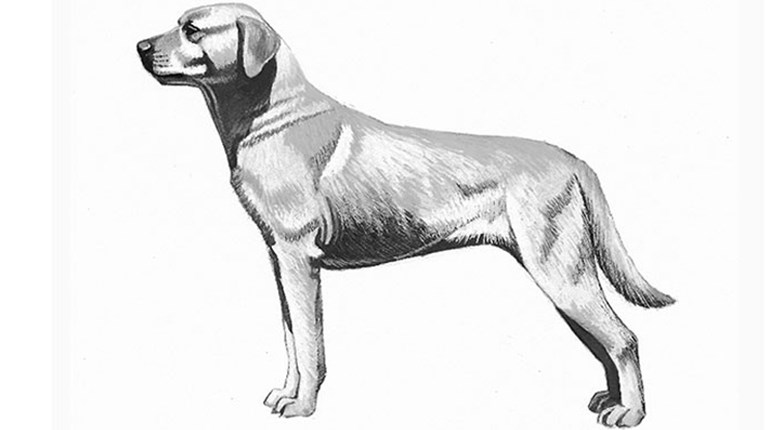
However, in the event there's snow on the ground, it's important to ensure your bird dog is properly groomed for a day of trouncing through the powder. Failure to do so can result in snow packing like ice between the dog's pads. That's not only uncomfortable for the dog, it can cause mild injury--not to mention frustration on the part of hunters stopping every 15 minutes to "de-ice" paws. So, here's how to winterize your bird dog.

Trim Between Pads
Using scissors and/or a small electric clipper, trim all hair from the bottoms and sides of your dog's paws so that no fur extends beyond them. Then carefully trim the hair between his pads, ensuring none protrudes to the ground. This requires care, of course, particularly if your dog is a squirmer. However, it's important: Trimmed paws are far less prone to snagging snow and ice. Don't worry, his feet won't get cold.

Clip Nails
You may think long nails will give your dog added traction, but they're actually counterproductive. Excessively long nails actually decrease grip, and cause the pads to open as the dog runs, trapping snow. Therefore ensure they're clipped about every two weeks. Kennel dogs can get away with less frequent manicures, as cement surfaces tend to keep their nails filed down.

Despite these precautions, occasional snow-packed pads are unavoidable. However, I've encountered them far less frequently since adhering to these two tips.

Latest

wood table with white plate bowl shears meat jerky bits

How to Make Woodstove Jerky

Homemade jerky is a staple with a lot of hunters. Deer, antelope, moose and elk all make excellent jerky. Surprisingly, geese do too. In fact, most any game animal will make palatable jerky. Here's how to make it with nothing but a woodstove, a knife and maybe some shears.


Three Whitetail Traps to Set for Close Shots

Your whitetail hunting location may be as expansive as a national forest or as small as an uncle’s 40-acre woodlot. In either scenario, whitetails have a knack for slipping by just out of shooting range. Whether using a firearm or archery equipment, you do have options to lure whitetails closer. Consider setting a trap this season for your best opportunity at an ethical, in-your-face shot.

Hardware Review: Ravin LR Crossbow

Looking for a new crossbow that packs some serious punch? Look no further than the Ravin LR. Check out Brian McCombie's review of it below.

Don't Fight the Feeling: Setting up a Booner Bowhunt

When your gut tells you to hunt, don’t fight the feeling. Josh Woods didn't, and dropped a legitimate Booner. Here's how he did it.

Range Review: Heritage Badlander Field .410 Bore

This flexible side-by-side from Heritage Manufacturing is ready for a variety of shooting roles including turkey hunting! Check out the full review of the Badlander here.

Win Leica Optics in Sitka’s Diverge 14 Photo Contest

No purchase is necessary to enter the Sitka’s Diverge 14 Photo Contest, and the grand prize winner will net gear worth more than $17,500 from Leica, Sitka, Pelican and Adobe.

Interests


Get the best of American Hunter delivered to your inbox.