Q: My daughter shoots a pistol, and now I want to teach her how to shoot a rifle. Can you give me some tips?
A: No doubt most of us have shot rifles so long it comes naturally. But it’s another thing entirely to teach someone how to do it. Here’s a primer on the basics (for right-handed shooters; lefties should use the opposite hand in the points below).
Left Hand: Place it under the fore-end, with the web of the hand snug against the stock.
Shoulder Pocket: Bend your right arm, and grab the pistol grip to form a pocket in your shoulder. Pull the buttstock in tight to the pocket to steady the rifle and lessen felt recoil.
Right Hand: Exert firm rearward pressure on the pistol grip to keep the butt tight against your shoulder and to eliminate cant in the rifle (tilting side-to-side).
Stock Weld: This is the point of contact between your cheek and the stock (also called cheek weld). Raise the stock to your cheek to position your eye at the same distance behind the sights or scope every time, but keep your head upright (your dominant eye should be positioned behind the sight or scope). A proper weld ensures your head and rifle recoil as one, allowing rapid recovery.
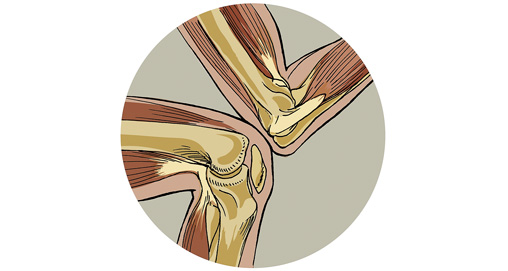
Muscle on Bone: When sitting or kneeling don’t rest your elbows on your knees—two round plates roll against one another. Instead, think “muscle on bone”—i.e., triceps squashed against kneecaps.
Three Points of Contact: When prone or sitting, maintain three points of contact with the ground at all times. In the prone position, this is your whole body and each elbow. When sitting, your butt touches the ground, and each arm locks to a leg. When standing or kneeling, you need to use a rest (a tree, pack or sticks) to gain the third point.