The extremely wary coyote has a remarkable sense of smell; some hunters have even noted being smelled by the unique canines from as far as 350 yards. One of the big debates among predator hunters is how to best fool a coyote’s nose. I'll be the first one to say, you will never fool a coyotes nose 100 percent. The fact is that you're trying to fool, arguably, the number one nose of all animals that you will hunt. Over the last few years I've learned that with some of the new scent elimination products, as well as a little common knowledge, you can get pretty close.
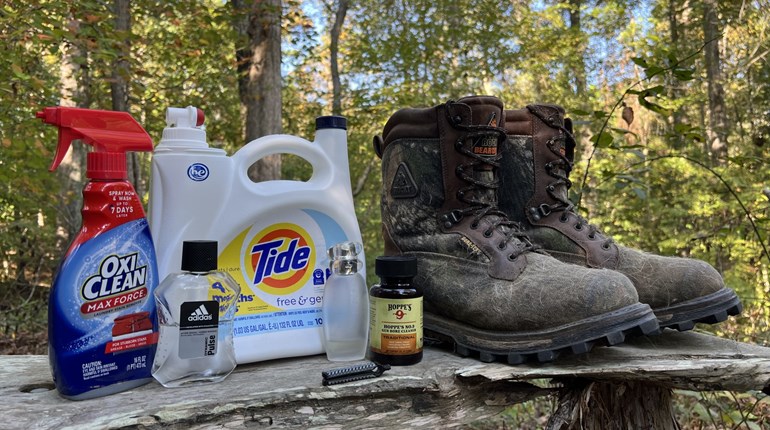
For many years, I have been what some would call a scent control fanatic when it comes to deer hunting. However, I didn't take it as serious when it came to coyote hunting. Let me explain what I mean when I say "scent control fanatic." It simply means that I take the extra effort to wash my clothes with an odor-free detergent, store them in a scent-free bag, and then proceed to take a shower with scent eliminating soaps and shampoos. I then go as far as getting dressed on the back of my tailgate in the bone-chilling cold, so that I don't get any foreign odors on them while driving from my house to where I will be hunting. I haven't always had this kind of ethic when it comes to scent control. It wasn't until a few years back, while trying to film a predator hunt in southern Missouri, that my eyes were opened to just how good a coyote's sense of smell is. After I sat out my electronic caller and began calling for a couple of minutes, a coyote entered into the field. Immediately, I began to pull up my shotgun because the coyote was well within range. Suddenly, the coyote stopped, turned and bolted back into the woods. The wind was in our favor, and I'm positive that the coyote didn't see us, so what happened? After looking back on the film, you could clearly see the expression change in the coyote's face when it smelled the caller. I had practiced minor scent elimination that morning, basically just spraying everything down with a scent eliminating spray before the hunt, but after that hunt I started thinking about the details of scent elimination and all the steps that must be taken to fool a coyote's nose.
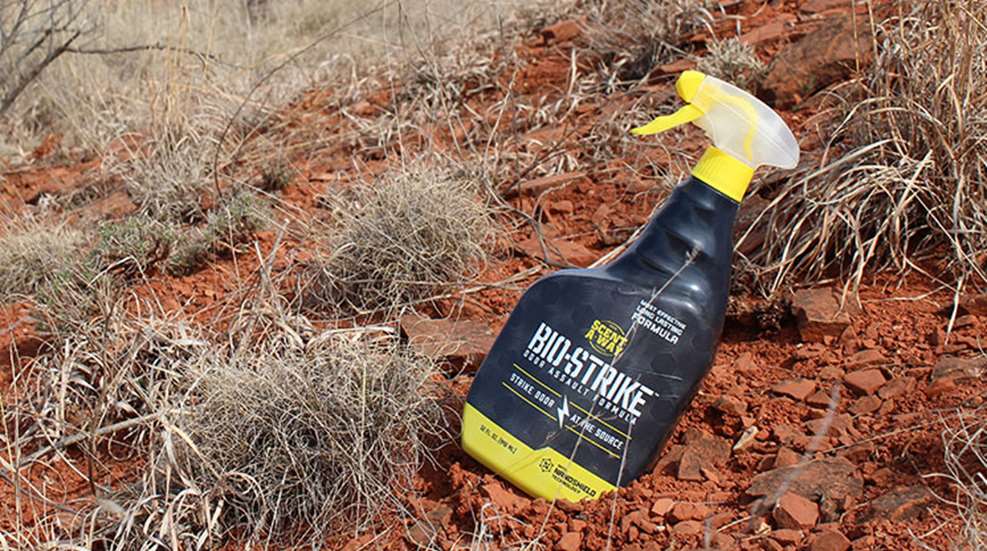
After I started to understand the power of a coyote's nose, my success rate started improving dramatically. Now that I've learned a few lessons, I practice more scent controlling tactics while coyote hunting then I ever did while deer hunting. As I started to comprehend the power of coyote's nose, I realized that a coyote relies on its nose as a survival instinct far more than a whitetail deer does. They spend every day of their lives smelling for food, as well as smelling for danger. I use the same scent elimination system while coyote hunting as I do deer hunting, as far as washing my hunting clothes, storing them properly, taking scent eliminating showers and even dressing in the field. However, I pay attention to the details far more when I’m hunting for coyotes. First, I am constantly checking wind direction. If the wind is not in my favor to call a particular place, I don't call it. My calling setups are well-considered and more selective than ever before, mainly because of wind direction. As a result of the earlier mentioned hunt, I now spray down all of my equipment with a scent eliminating spray while in the field such. Anything that is going to be out in the field with me gets sprayed. I also pay special attention to detail before my hunt begins. I recently started washing two to three towels with my hunting clothes. In the past, I would take a scent eliminating shower, then dry off with a towel that had been washed in the many perfumes that my regular everyday clothes had been cleaned with. By doing this, I was contaminating myself with odors just as fast as I was trying to eliminate them. Another thing that I discovered I was doing wrong was when I was finished with a hunt, I would wear my hunting clothes either back to my house or camp, contaminating my clothes again. Believe me, it is just as important to undress in the field as it is to dress in the field, because there are so many foreign odors in your vehicle, particularly your seats. Don't believe me? Put your nose to your truck seat and see if smelling that out in the field wouldn’t alarm you. I have also taken advantage of modern technologies in new scent eliminating products such as Scent-A-Way's Bio Strike. This is a totally new formula of odor elimination. Bio Strike works at the molecular level to eliminate odor caused by bacteria. The formula attacks bacterial and fungal odors and inhibits the growth of new odors. Which means it eliminates more, and keeps odors away longer. This type of product along with paying attention to detail, down to the smallest things, will change the way predators approach your set up.
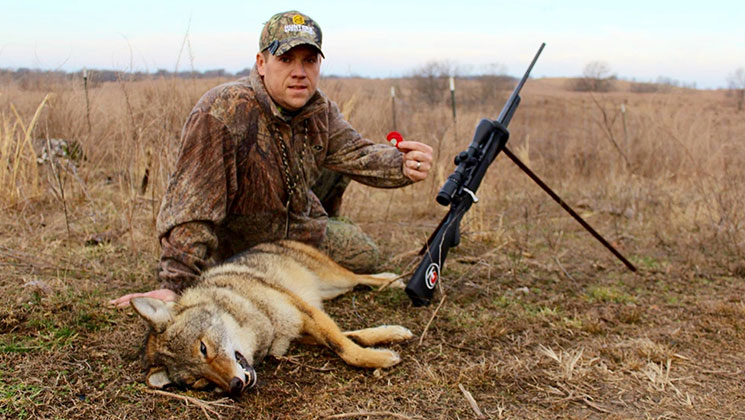
I had a chance to put Bio Strike to use earlier this year on a predator hunt in Oklahoma. What better place to try a scent eliminating product than western Oklahoma, where the wind blows 25 miles per hour or better, seemingly everyday? The wind swirls a lot there, which makes it harder to find that perfect setup with no set wind direction. Over the three days of hunting, we learned to get down into the draws, out of the wind as much as possible, and to really rely on our scent eliminating regimen to do its job. My two partners and I called in 14 coyotes in two and a half days of hunting. Not bad.
Most Popular