Ground-Breaking Lion Research in Tanzania Begins in August

by
posted on June 17, 2015
** When you buy products through the links on our site, we may earn a commission that supports NRA's mission to protect, preserve and defend the Second Amendment. **
tanzania_lions_f.jpg

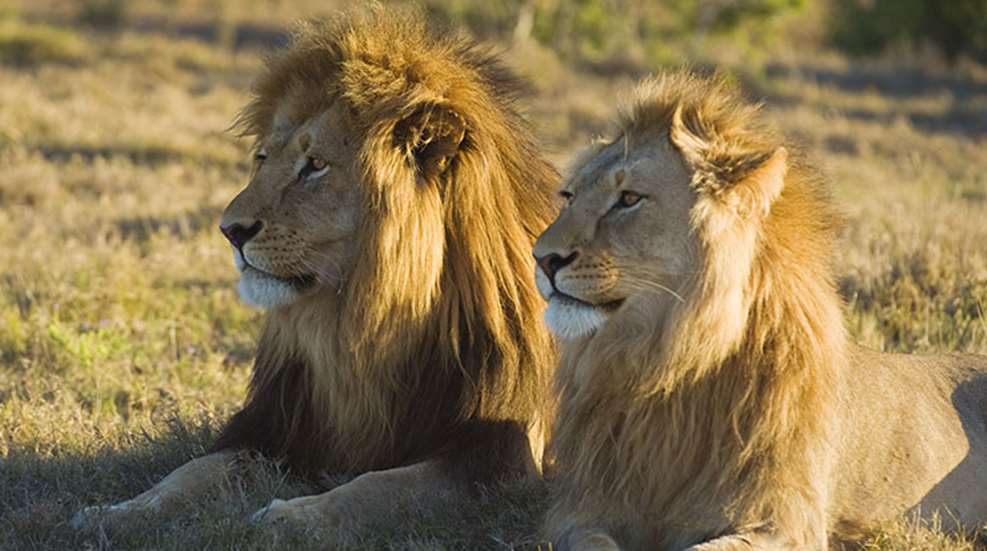
Earlier this month, the SCI Foundation, Tanzania Wildlife Research Institute (TAWIRI) and Mississippi State University (MSU) announced a joint effort to complete the most scientifically robust lion population survey in the history of lion science. Set to begin in August 2015, the project will initiate in Serengeti National Park because of its large and accessible lion population.

Lions here have been studied heavily through the years, and the knowledge gained through such studies will be used to measure the success of the new survey methods.

“This research intends to identify the most accurate and cost-effective method available to estimate lion abundance and distribution,” announced SCI Foundation (SCIF) President Joseph Hosmer. If successful, the study will provide a model research design for all lion-range states.

MSU’s Dr. Jerry Belant, Professor of Wildlife Ecology, developed the experimental design based partly on methods he has applied to studying North American carnivores. The framework will allow Belant to gauge lion abundance across large areas. The information then can be used by African governments to improve lion conservation and management across the continent.

Dr. Al Maki, Chairman of the SCIF Conservation Committee added, “This is a great project and one that we have been working to put together now for over a year. This is a classic example of the hunting community supporting essential conservation work directly with a key government agency to provide a much needed field method for censusing lions in their natural habitat. If the research proves successful we will have a simple and cost effective method for other sub-Saharan countries to adopt in their lion census programs.”

Latest

Remington 700 Clone Chassis Rifle

The 4 Classic Hunting Platforms

Andi Bogard takes a look at the classic actions and platforms that laid the foundation for today’s hunting rifles.

Conservation Partners Launch Novel Turkey Nesting Research

Predator populations—nest raiders and full-feathered turkey killers alike—are growing across the United States. To determine if their increasing numbers are a leading cause of wild turkey population declines, Turkeys For Tomorrow (TFT) has announced a groundbreaking study on predator impacts on nesting and poult-rearing success.

Muleys The Old Way: Traditional Muzzleloading

Aram von Benedikt and his son took part in one of the oldest American traditions there is: muzzleloading for deer with a traditional smokepole. Read on for more about their adventure.

MSU Deer Lab Celebrates 50 Years

For 50 years the Mississippi State University (MSU) Deer Lab—a partnership between the university’s Forest and Wildlife Research Center (FWRC) and MSU Extension Service in Starkville, Miss.—has delivered nationally recognized research on deer biology, habitat management and land stewardship.

#SundayGunday: Our Top 5 in 2025

Sitting on your couch in an eggnog stupor, wrapping paper still draped off every chair in sight? Still procrastinating getting up, cleaning, up or any sort of behavior that could be remotely described as productive? Here's something to keep you further occupied in your sedentary state. Read on, to check out our Top 5 #SundayGundays of 2025, as selected by you, our audience.

How to Make Woodstove Jerky

Homemade jerky is a staple with a lot of hunters. Deer, antelope, moose and elk all make excellent jerky. Surprisingly, geese do too. In fact, most any game animal will make palatable jerky. Here's how to make it with nothing but a woodstove, a knife and maybe some shears.

Interests


Get the best of American Hunter delivered to your inbox.