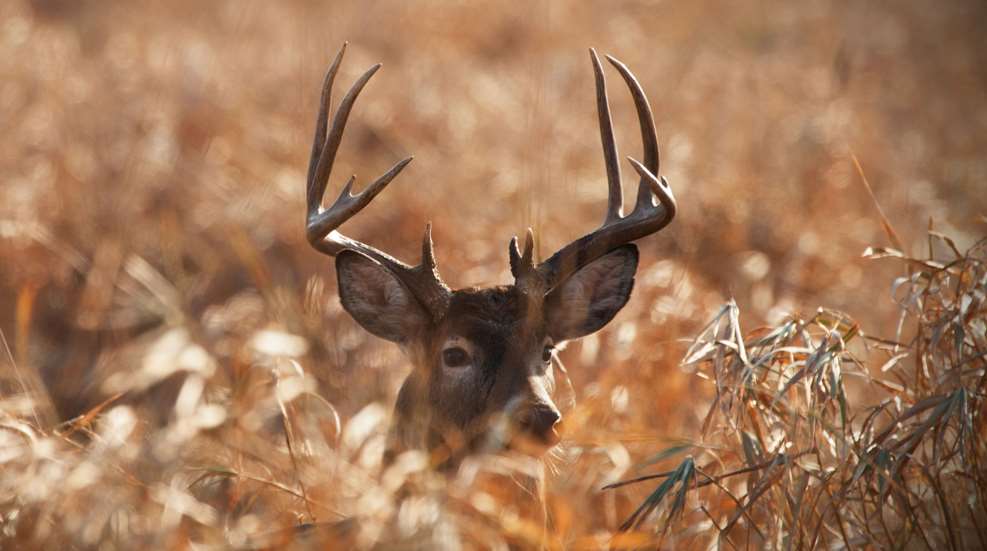
We all know we must fool a buck's nose to be successful, but did you know this particular sense is amplified in pressured deer? A buck will attempt to validate all incoming data with his nose. If he sees you and cannot smell you, you still have a chance. If he hears you and cannot smell you, you still have a chance. If he does not see or hear you but can smell you, however, the game is up and he wins every time.
So how do you keep late-season bucks from beating you with their nose? You must not only remove as much of your scent as possible, you must also be careful to mask or cover the rest. As always, you must avoid adding any unnatural aromas to your already odorous person.
Aftershave, shaving cream, scented soap, shampoo, cologne, deodorant and even ChapStick must not be used if you’re serious about scent control. To a deer you smell like a fish market at low tide—they despise the scent of humans and the products we use.
Personally, I love late-season bowhunting. In fact, my favorite time of year to deer hunt is between Christmas and New Year's. The deer have begun to "herd-up" for winter. The rut and secondary rut have passed and the bucks are much more tolerant of each other's company.
I find that this time of year I see more deer per day than any other—more even than in the rut. During the rut you may have a hot stand that sees one or possibly two mature bucks a day. Late in the season, when pre-winter feeding once again becomes the deer's priority, a good stand may see four, five or six shooters a day, depending upon the food source and location.
If you can stay out of a prime feeding area for a week or two after the firearms season, then slip back in to bowhunt, you are likely to find deer going about their normal routine. Daytime feeding and moving is more common in the late season because finding food is now the instinct driving both bucks and the does. The bucks especially have to feed longer each day to help them recover from the rut, and to help them get ready for the harsh weather that is coming.
Hardwood stands close to cover and close to grain fields are the best bet for bucks. Pressured deer will feed and then bed, usually out of the wind and in the sun. A mid-December, sunny afternoon is a perfect time to ambush a buck on his way to a south-facing hillside nap.
There is no substitute for planning. You must have your mind already made-up going in to late-season, as educated bucks are going to be harder to find. You have to plan stand placements and entry routes well in advance of your hunt. Most of all, you must realize that a mature whitetail buck is a totally different species. He is more suspicious, more nervous and more likely to detect your presence than any other deer in the woods. He has every "home court" advantage.
Because of all this, you must use your brain to beat him. You must study him, understand him and respect him for having survived long enough to become what he is. And when you do win the battle with a heavily pressured, late-season monster buck, you can spend all winter planning next season's strategy, knowing you can win again.