Hunters have long been at war with their own odor. With technology marching forever forward, modern hunters enjoy scent-control technologies Fred Bear’s generation couldn’t have fathomed.
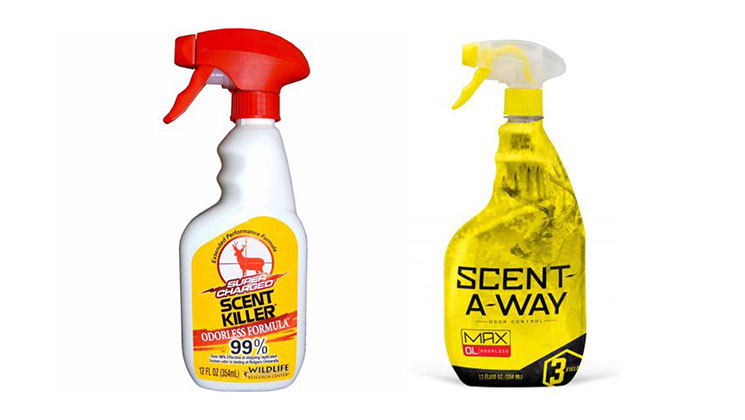
Spray Down
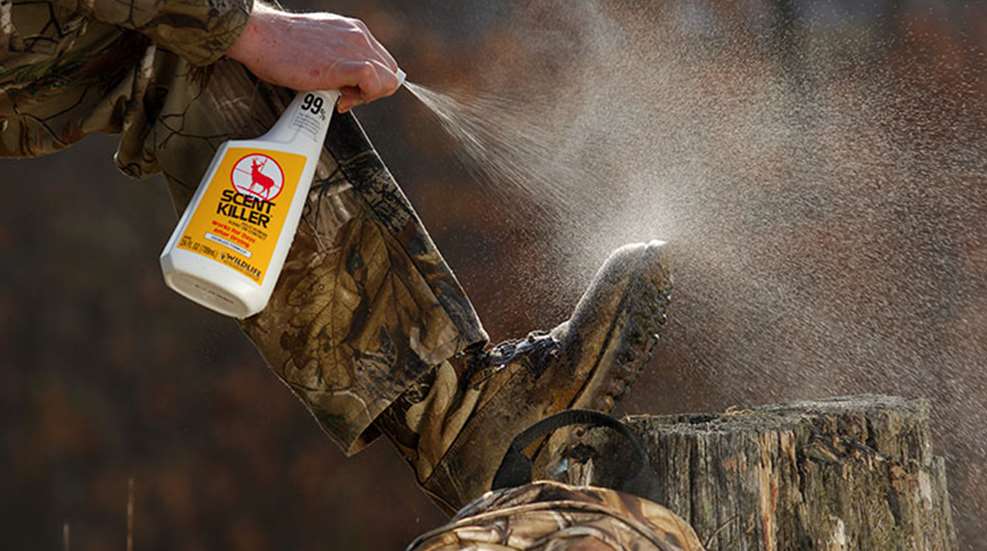
“Scent-killer” sprays appeared in the late 1980s and have advanced considerably since. The best scent-elimination sprays use a multipronged approach: absorption, chemical reaction and oxidation. Absorption (modern versions use highly porous, microscopic “lava”) is limited by pore capacity, but is highly effective on “chunky” organic compounds. Chemical alteration breaks down odors molecularly, transforming them into inert and odorless compounds. The approach is particularly effective on inorganic compounds like tobacco smoke or gasoline. Oxidation is newer, actively attracting and breaking down odors at a molecular level.
Suit Up
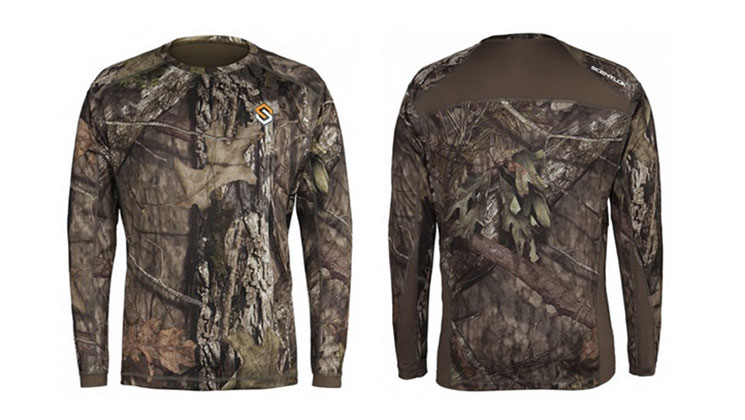
ScentLok Technologies introduced scent-control hunting attire, body-filtration systems centered on specially engineered coconut-hull “charcoal.” This dense carbon, sandwiched between material layers, contains thousands more odor-trapping pores than standard charcoal and is activated to attract odor molecules. ScentLok recently took carbon filtration further with a multipronged approach. Its Carbon Alloy technology still includes carbon filtration but also has antimicrobial agents embedded in fabric fibers to kill odor-causing bacteria. In addition, manmade chemical agents absorb “smaller” chemical compounds that might slip through carbon, such as solvents or fuels. Antimicrobial agents (silver, specially formulated chemicals or mechanical ElimiShield, which “stabs” bacteria with microscopic carbon spikes) are best worn against the skin via base layers, where bacteria originate.
Float Around
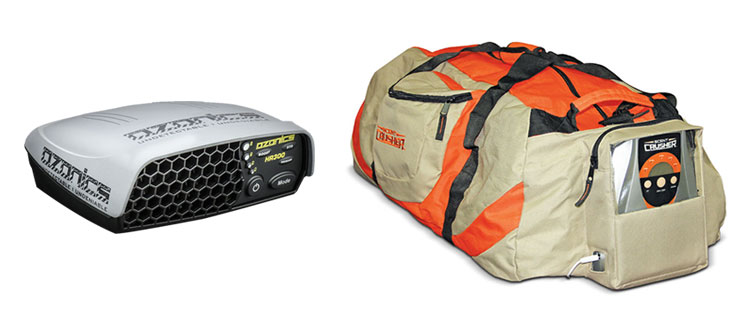
Ozone also uses oxidation to combat odor. Ozone (O3) molecules are highly volatile, attaching to free-floating odor molecules, quickly breaking them down into odorless compounds. I discovered this technology via Ozonics’ portable ozone generators. These battery-powered units are secured above your head while on stand (heavier ozone “washes” over your scent stream) or placed in an enclosed space with hunting duds to dissolve odors. More companies have entered this market, including Hunting Made Easy, Scent Crusher and ScentLok. Scent Crusher, for example, has a duffel with a built-in ozone generator for removing scent on the go. At least our war with odor is becoming easier to fight.