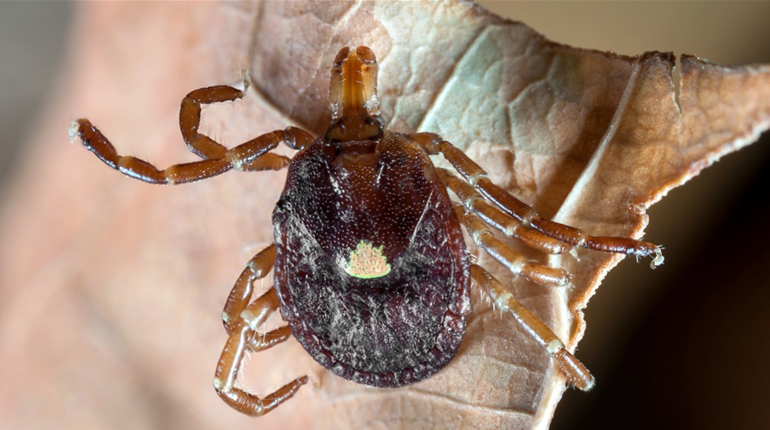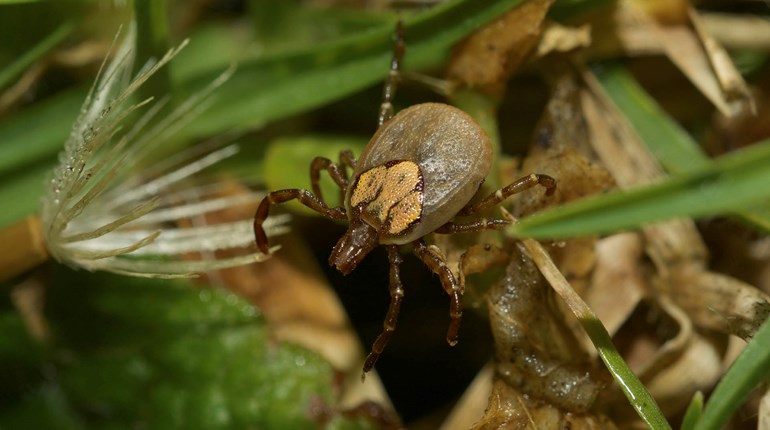
The sight of a blood-sucking, parasitic critter embedded in your flesh can send shivers down the spine of the manliest of hunters. Add a tick’s tendency to carry a host of debilitating diseases—be it Lyme or, God forbid, an allergy to red meat—it’s no wonder we go to great lengths to prevent getting bitten. But it is inevitable. Spend enough time in the woods, especially in the spring, and you’re going to get ticks.
The trick is figuring out a good way to remove them once they’ve latched on, and doing it as soon as possible. Simply pulling out a tick with brute force is not a great option, as the little bugger’s head will more often than not pop off while it’s still embedded. This can leave you with an infection at best and susceptible to tick-borne illnesses at worst. There are many tools and tweezers specifically designed for the task that are all fairly effective, but sometimes very small ticks can render them useless. Plus, kids have an aversion to pointy metal things being poked at them.
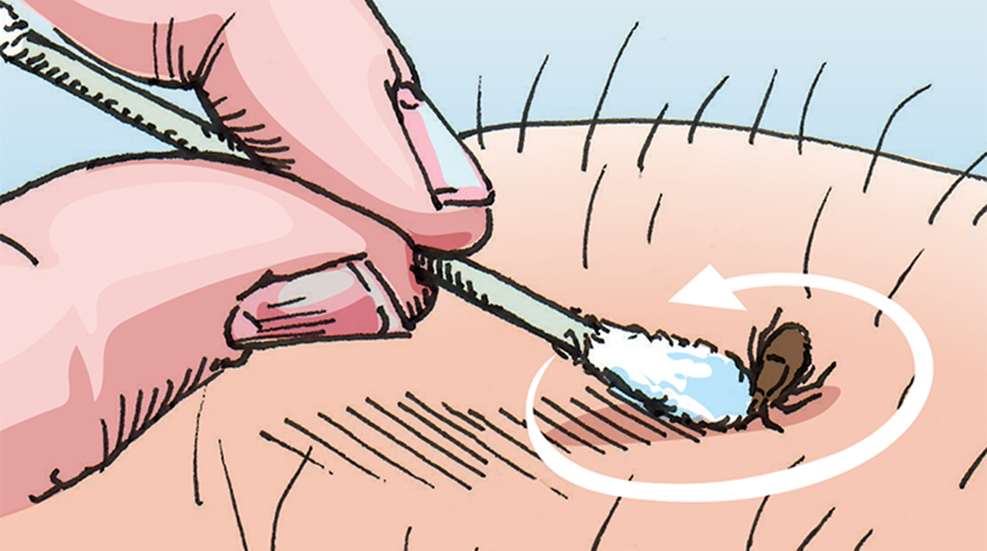
There’s a better way to remove ticks of all sizes in one piece, with no specialized tools required—other than a common cotton swab, that is. Here’s how it’s done:
Step 1: Wet the tip of a cotton swab so it will glide smoothly over your skin.
Step 2: While applying light pressure to one side of the tick’s body with the swab tip, gently push the tick in circles around the point where its mouth is anchored to your skin. You’re essentially trying to “spin” the tick on its axis. Don’t push down on the tick, and be gentle, as you don’t want to twist the tick’s body from its head. After several rotations the tick will back out, head and body intact.
Step 3: Destroy the tick, and wash the area around the bite with rubbing alcohol, iodine, or soap and water.