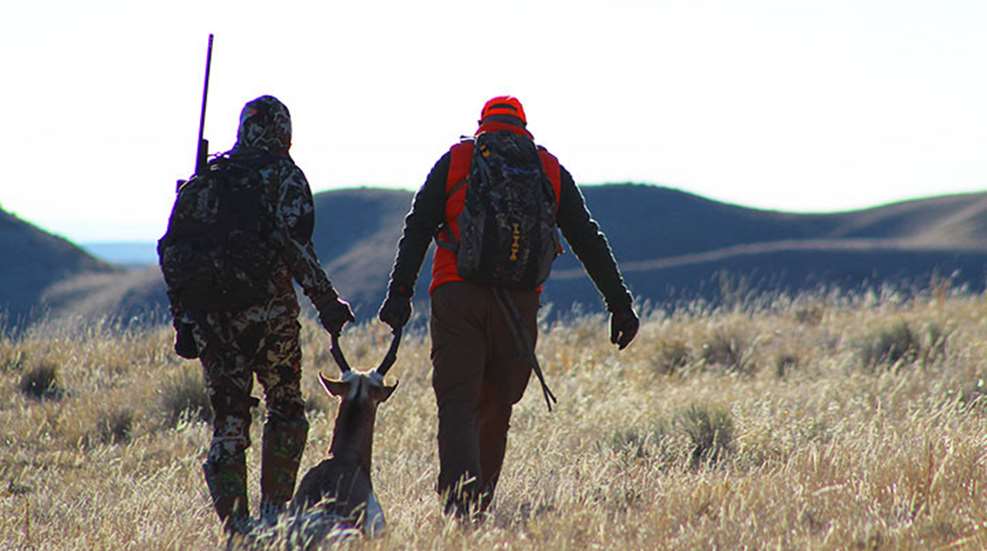
Like most hunters, I keep a list of the places I’d hunt and the game I’d pursue if my lotto numbers ever lined up. It’s not a written list, rather a mental catalog of the places and species that most intrigue me; I’m not a frugal dreamer. Stone sheep would be at the top of that list, as would Asian ibex and Alaskan-Yukon moose, but the likelihood that I’ll be able to scrape together enough funds to finance any one of those hunts is low. I suppose that, like many other hunters, I’ll have to be content to dream
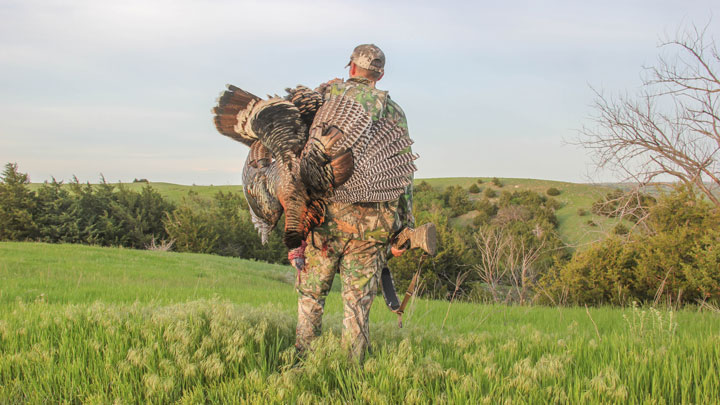
But just because your funds are limited doesn’t mean you can’t start planning a more affordable hunting adventure right now. There are plenty of great hunting opportunities in the U.S. that take you into areas as beautiful and demanding as anywhere else in the world. You may not have access to private land or plush lodges, but with a little bit of work and minimal investment, you can start filling up your hunt journal with exciting stories while filling your freezer with high-quality protein.
It’s time to stop dreaming and start doing. Here are six fun, affordable hunts that you can start planning right now.
Public-Land Elk
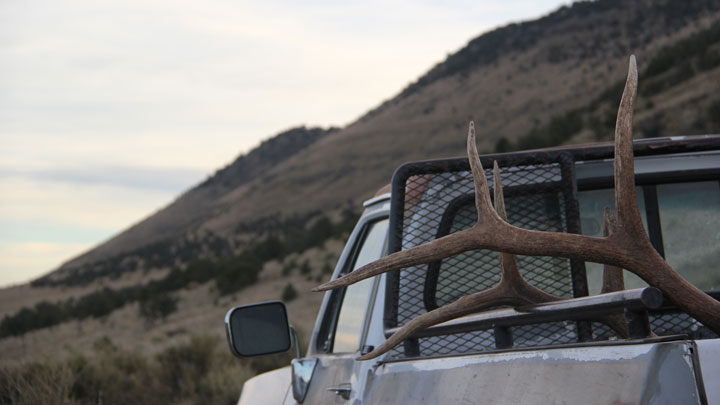
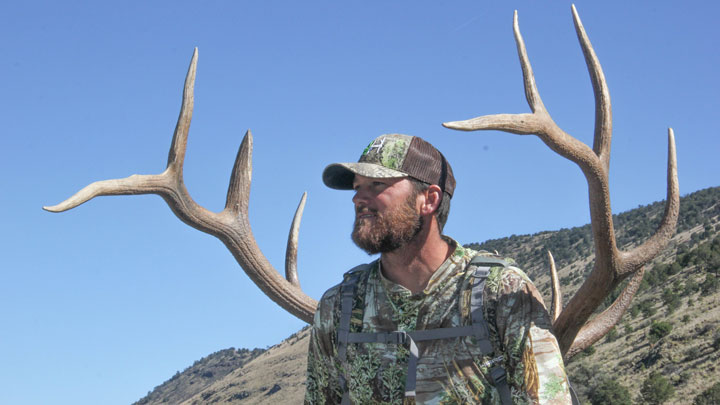
There are millions of acres of public land in the western United States that hold elk. If you have the right licenses and tags, and are willing to put in the time and effort, you can still kill a really big bull elk in many areas without a guide or outfitter. But be forewarned: DIY elk hunts are not for the unprepared or faint of heart. You’ll need to start ferreting out which units in which states provide the best draw odds and access, and in many cases you’ll need to start acquiring preference points. Once you’ve settled on an area, you need to get to know everything about the place. In-person scouting forays are a must, so if you live out of state, consider taking a week or more before the season opens to find the best areas. Idaho, Montana, Colorado and Wyoming all offer great opportunities if you can draw an elk tag, and don’t focus solely on bull tags and the rifle season. Cow or spike tags are easier draws in many instances, and if you own a smokepole, put in an application for muzzleloader season as well. DIY elk hunts are physically and mentally demanding and require considerable time and planning, but it’s an affordable hunt that provides a lifetime of memories, even if you don’t fill your tag.
Spring Beards and Bruins
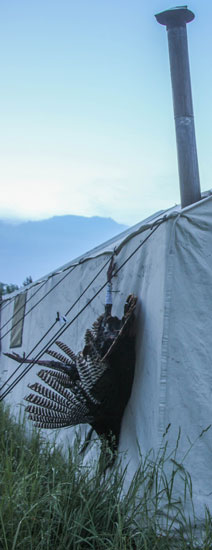
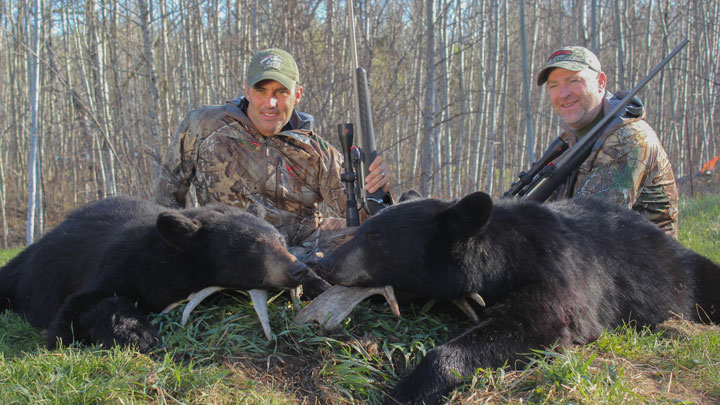
If a DIY elk hunt is more than you want to take on, consider a spring bear-and-turkey combo hunt in the Rocky Mountain states. Idaho is a great choice for this hunt, as it offers plenty of public land with lots of birds and bruins. Camping on BLM or Forest Service land will keep you close to your hunting grounds, as well as minimize cost. Plus, camping in the mountains in springtime is a fantastic experience even if you don’t notch either tag. Speaking of tags; they’ll be easier to obtain and more affordable for bears and turkeys than for many other big-game species like elk, moose, deer or sheep. In Idaho, a non-resident hunting license costs $154.75, a bear tag will run $186 and a turkey tag is $80, so with licenses, tags and other required permits, you’re looking at a cost of over $400. You can switch between spot-and-stalk bear hunting and turkey calling, and if you’re lucky enough to bag both species, you’ll need plenty of space in your freezer.
Feral Hogs
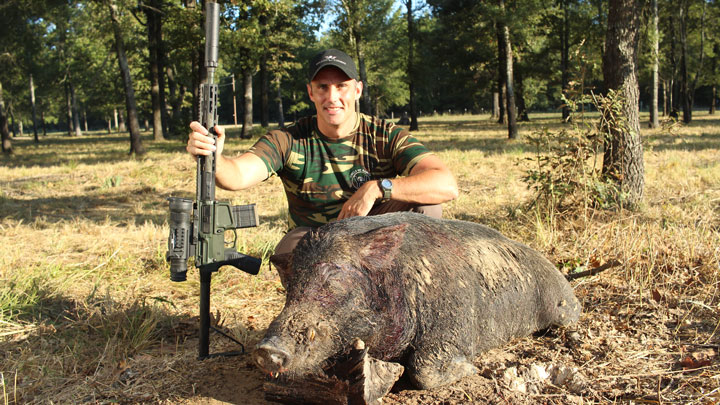
Feral hogs arrived in the United States with Hernando de Soto in the 1500s, and the ancestors of those first wild pigs have been wreaking havoc American ecosystems ever since. For that reason, landowners in hog-infested areas are more than happy to allow hunters to come and harvest pigs. If you aren’t concerned about trophy quality (small pigs taste better anyway), then you can oftentimes take a few hogs on private property for less than the cost of a non-resident deer tag. Because they’re so destructive, many state agencies have loosened limitations on hog hunting, so they can be pursued at night with thermal optics, or hunted during the day via spot-and-stalk, bait or dogs. Texas is still the epicenter of hog hunting, but most of the southeastern states have at least some wild pigs they’re delighted to see hunters harvest.
Aoudad
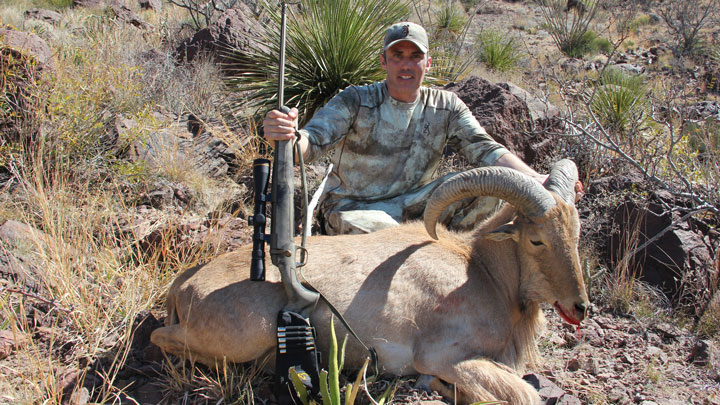
Native to northern Africa, aoudad (or Barbary sheep) were brought to the states in the mid-20th century and released in the American southwest. Harsh as that landscape can be, it’s ideal country for aoudad, and their numbers have exploded in recent decades. In some areas, that means aoudad are outcompeting native bighorns. For that reason, state wildlife agencies and many landowners want them gone.
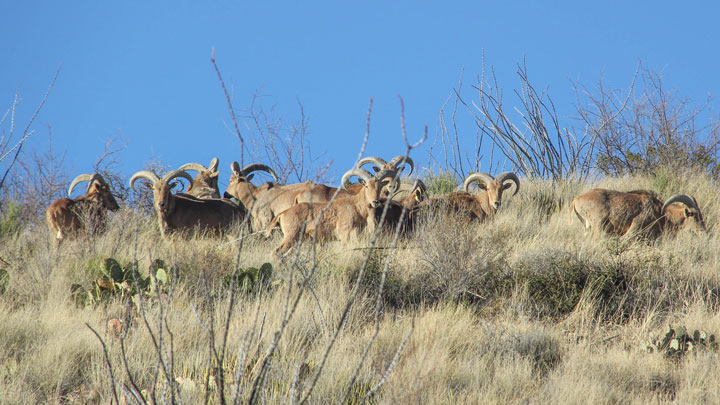
Free-range aoudad hunts in the mountainous areas they prefer are extremely challenging—just as tough in many instances as desert bighorn hunting. Aoudad love steep country where they can look out for danger from above, so shots are often long and at steep angles. Don’t underestimate the tenacity of these animals either; a big ram may weigh up to 300 pounds, and they’re solidly built. Good bullets in suitable calibers are a must, especially when hunting in mountainous terrain where shots might be long. The hills around Big Bend Ranch State Park in Texas are crawling with these sheep, and free-range aoudad hunts there go for a few thousand dollars. A big aoudad ram with sweeping horns and long “chaps” of hair makes a most impressive trophy, too.
Antelope on the Open Plains
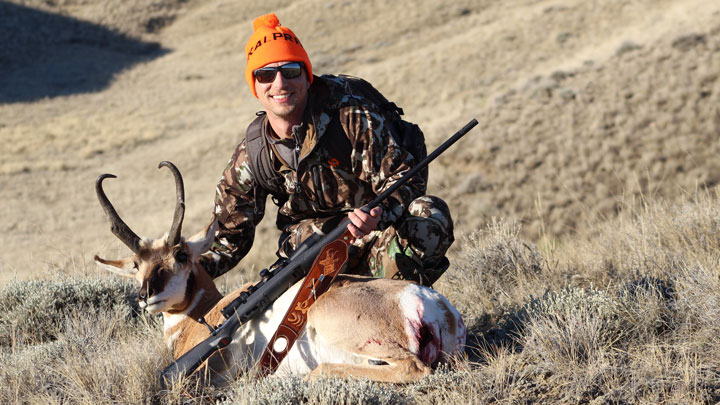
The wide-open plains of Wyoming are home to millions of antelope, and the state remains the best place to find an affordable pronghorn hunt. Nonresident licenses cost $326 for adults and $110 for youth hunters, but as a low-cost, freezer-filling alternative, there are doe/fawn licenses available at a cost of just $34. With so many antelope, draw odds are good, and even guided antelope hunts are affordable. Further, in many areas, the odds of success are very high. My last antelope hunt in Wyoming was done on private land, where we paid a small trespass fee allowing us to camp on the property at no additional cost, making the whole experience enjoyable and affordable. And, if handled properly, antelope is among the most delicious of all wild-game meat.
Cull Whitetails
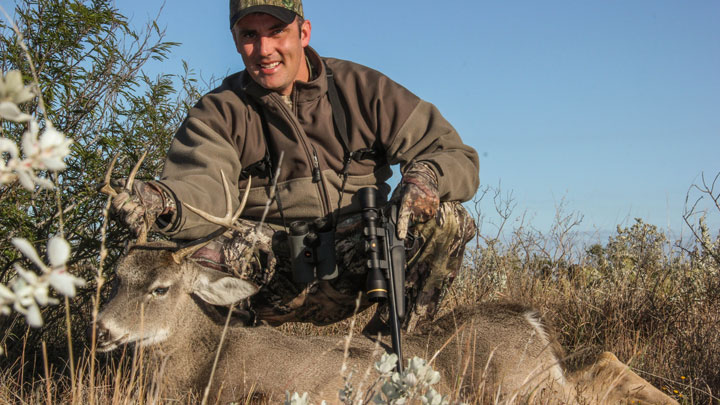
Many in the deer-hunting community are obsessed with big bucks, but if you aren’t preoccupied with shooting a wall-hanger, a cull whitetail hunt can provide an affordable alternative to high-priced trophy hunts. Cull hunts are particularly common in Texas, where biologists develop management plans for specific ranches. Since these management plans often involve the removal of cull deer, it’s a great opportunity to obtain access to private land at a much-reduced price. It’s often possible to take a cull buck and at least one doe, and the price is usually lower with more hunters, so it’s a great group or family hunt. This is also a great hunt for kids since it’s relatively low-impact, and when the hunt is over, you’ll have lots and lots of meat for the freezer. A mid-winter cull whitetail hunt is a great escape from the cold weather farther north, too. Prices vary, but you can expect to harvest at least a couple deer for around $1,000 on many ranches.