Adventurous eating is my favorite pastime. I’m willing to try anything at least once. Here are five wild animal parts that rank among my favorites and are worth trying if you have the opportunity. It is also a chance to explore parts of the animals you hunt that you might otherwise discard—you may just have some delicacies at your fingertips that you weren’t aware of.
Deer heart
Native Americans used to eat the warm heart of their prey to inherit the animal’s spirit. It was also a way to honor the animal and use every part of it. The texture of the heart is unique and unlike any other; chewy and dense like a muscle, but far easier to masticate than any tough cut of meat. Cooking the deer heart is the most delicious way to “go native,” in your culinary pursuits, and is often something even the most seasoned hunters overlook.
Liver
Many people revile the thought of liver, but I call it God’s pudding. It is slightly sweet and very rich. It serves as the basis for all kinds of international foods. I like it not just because it tastes good, but also because it is a way to turn an often-overlooked part of the animal into something delicious. Some people avoid liver because they think it stores toxins, but the liver doesn’t store toxins, it neutralizes them. It does store important vitamins, minerals and nutrients, though. I would also argue that the liver from a hunted animal has probably processed far fewer toxins than that of a domestic one, so it is better for you. One option—and a bit of a traditional approach—is to cook it the way your grandmother or the women of the pioneer would have made it when food thrift was essential. A large liver, like a deer’s, can be sliced on a bias and pan seared with onions so that you can cut into it and chew rather than dipping into it with toast the way you would with something like a duck liver mousse.
Coot (or duck) gizzards
Coot are considered by many to be a “garbage” bird. But they have nice gizzards for a confit, and are even large enough to fill a terrine with ease if you can harvest enough.
Coot legs
All of their running across the water makes Coot legs muscular and meaty, so braising them is a worthwhile endeavor. When braised in sherry and mushrooms they become tender and buttery. This is a good cooking technique for any tough bird legs. I prefer to use coot legs, rather than some of the smaller duck legs, because there is a substantial amount of meat on them, which makes the work more worthwhile. The key is to keep the liquid level low so that you are braising the legs, not submerging and boiling them.
Javelina
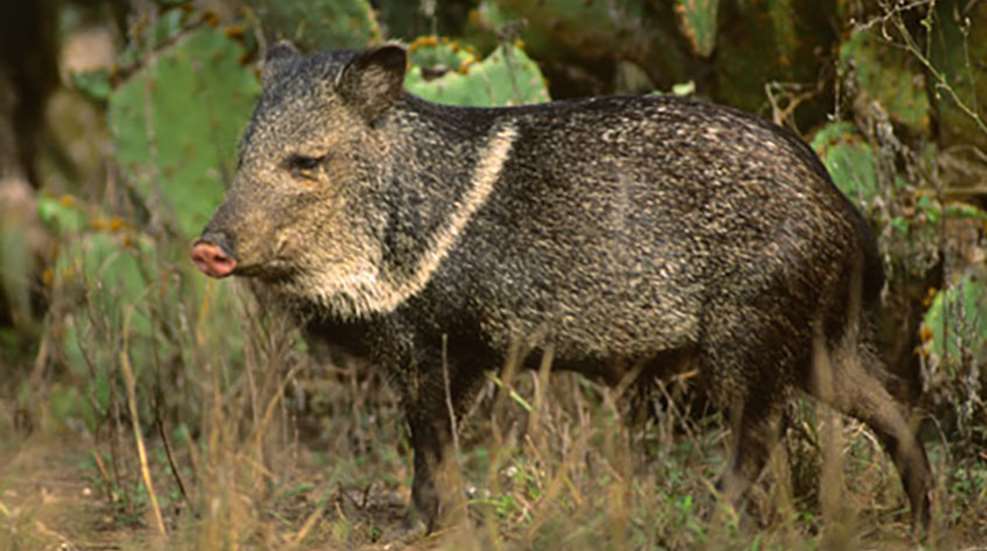
The only native piglike animal in the United States, javelina, technically speaking, are not pigs—they are peccaries. Javelina have a naturally smoky flavor, and there are ways to use that to your advantage. Adding more smoky flavor in the form of a marinade is one of them. All javelina are lean, even more so than wild boar, so when using an already lean cut like the tenderloin or backstrap, it is important to brine it first. The difference it makes is worth the wait.