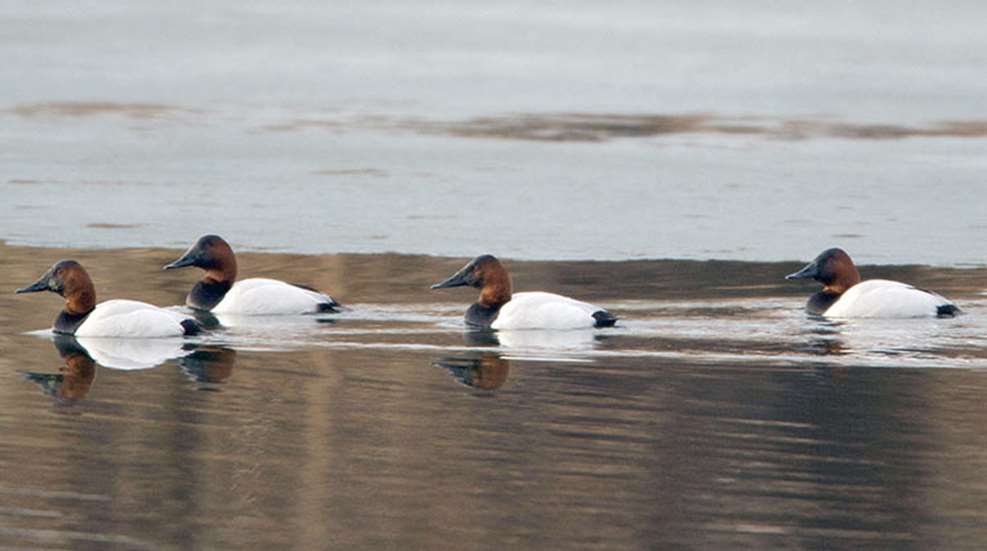
Photo Courtesy USFWS
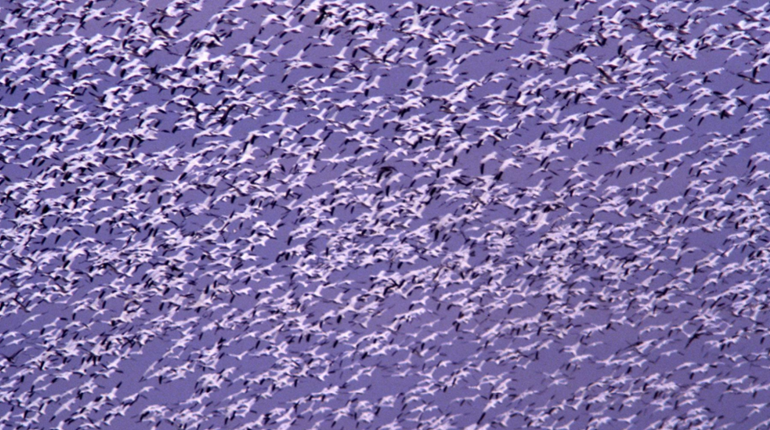
The 2017 Waterfowl Breeding Population and Habitat Survey was released in August, and things are looking good for North America’s duck population, considering the 2017 survey is the fifth highest annually reported total breeding duck population since the start of the survey in 1955.
The survey, which takes place in May, is a collaboration between the U.S. Fish and Wildlife Service and the Canadian Wildlife Service, provides critical information for hunters, who should expect some positive outcomes this year based on the survey’s findings.
President of Delta Waterfowl, Dr. Frank Rohwer, noted, “The duck numbers remain really strong. Most duck populations remain near or above long-term averages.” And the numbers don’t lie. This year, the survey said the breeding duck population sits at 47.3 million, and while that’s about a million fewer ducks than last year’s population (48.4 million), it’s still 34 percent above the long-term average.
The biggest news coming out of the report? Pintails saw a 10 percent increase in population to 2.89 million, breaking a five year streak of declining populations. Dr. Rohwer, however, was optimistic, to say the least. “Isn’t it great to finally have some good news to report about pintails? They’ve increased due to the way water was distributed across the prairie this year.” Dr. Rohwer believes pintail production will be a great improvement over the 2016 survey, remarking, “I expect the estimate is high enough that hunters will be blessed with a two-pintail daily limit for the 2018-19 season.”
Pintails weren’t the only bird to see a climb in numbers. Gadwall populations reached a new all-time record high of 4.18 million, a 13 percent increase over last year and a 111 percent gain over the long-term average. Blue-winged teal numbers went up nearly 20 percent to almost 8 million, and Northern shovelers saw a population boost by a tenth of the ducks’ 2016 figures, reaching 4.35 million.
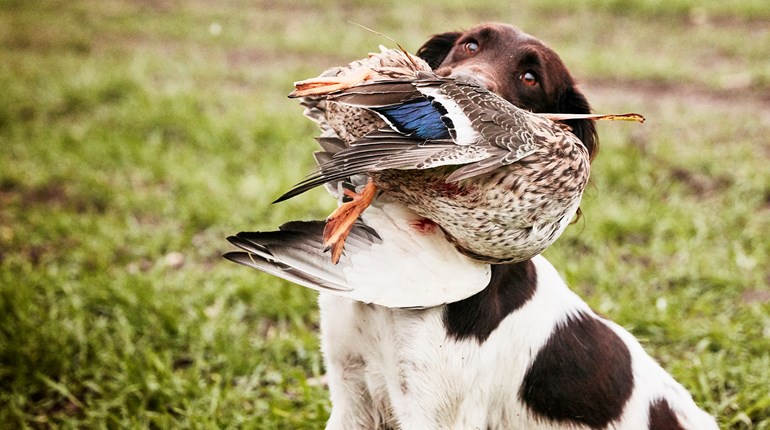
A few breeds did, however, see a decline in numbers. Mallards, Wigeon, Green-winged teal, Redheads, and Canvasbacks’ numbers are all lower, but all population numbers are still above the long-term averages.
So what brought about the overall increase in heath to the waterfowl breeding populations? Across both the U.S. and Canada, the pond count totaled just over 6 million (6.01 million) ponds, which is a 22 percent jump over last year. Pond counts in Canada from Alberta, Saskatchewan and Manitoba showed a substantial increase of 24 percent. The North-Central U.S., namely in Montana and the Dakotas, saw a boost of 22 percent in pond count, too. The U.S. prairie experienced better wetland conditions during the survey, as well. The West Coast of the U.S. saw no significant change in population even with major water level changes. Washington was the exception, seeing nearly double the number of ducks in comparison to the 2016 population estimates thanks to water levels that haven’t been experienced in two decades.
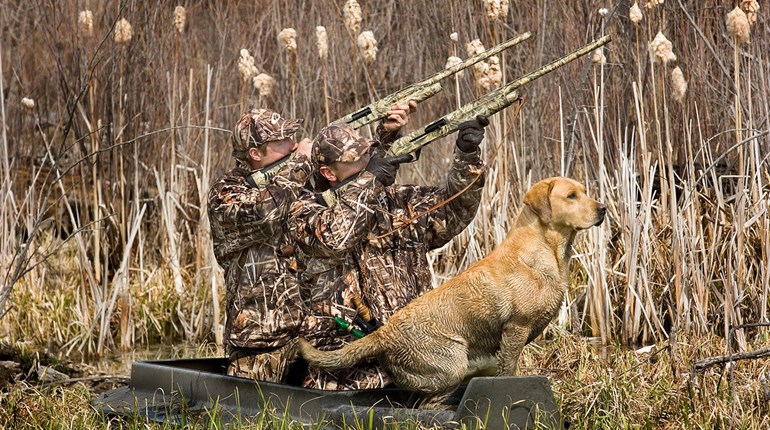
All in all, things are looking up for duck populations, which means this duck season should be a successful one for waterfowl hunters.