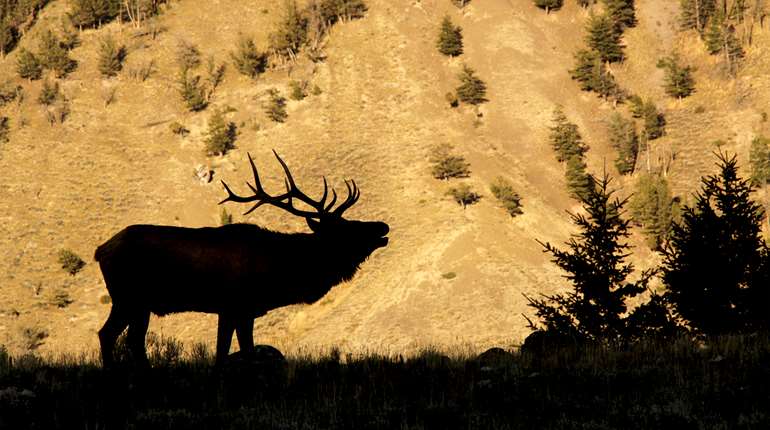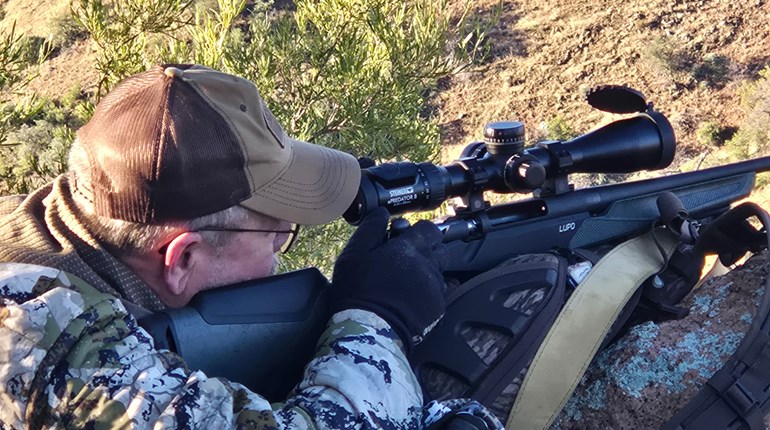
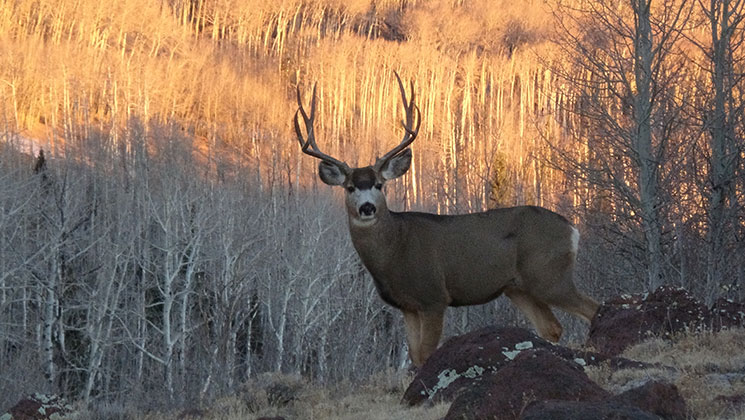
A big mule deer stood still in the West Texas shadows, alert and nervous, but too old and experienced to make a false move. Two hundred and sixty yards away, a hunter lay on her belly, a backpack offering a dead rest for her rifle, a round ready in the chamber—but there was a problem. She couldn’t find the big buck in her scope.
The mounting pressure to kill the buck before he escaped just made it harder. Her hands were sweaty and shaking as she frantically scanned the rocky, pinion-covered hillside through her scope. The steady but urgent voice of her guide trying to show her the deer only made it worse, especially because just a few minutes earlier, he told her that this was the biggest buck he had seen all year. She had to get on this buck, and now, but she couldn’t. Ten long minutes later, she was still trying as the buck snuck over the crest of the hill and out of her life forever.
It’s a scene that repeats itself time and again every fall in the big, broken mule deer and elk country of the West. This story really happened to one of the guides working for me on a huge West Texas ranch. The biggest buck he found all year offered over ten minutes of shot opportunity, but the hunter simply couldn’t find it in her scope. They both came away broken-hearted. And the worst part about it? It was entirely preventable.
Don’t be that guy (or gal) come fall in the Western high country. Here are ten simple things you can do now to prepare now for your big adventure.
1. Research
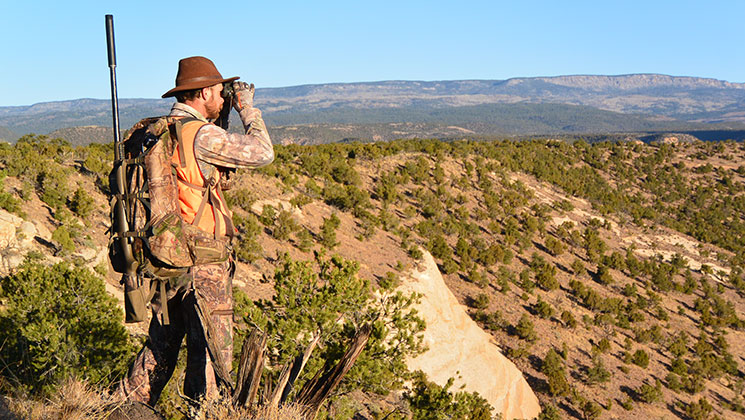
Too many hunters just pick a random area and go hunting. They hunt hard and see little to no game. If you’re going DIY, put in the time and effort to research and scout (remotely via Google Earth and state game agencies/biologists) out a good area. If you are going guided, do your homework and choose a good outfitter that hunts a good area and has a high return-client percentage. Pre-season research will determine the success of your hunt.
2. Get Fit
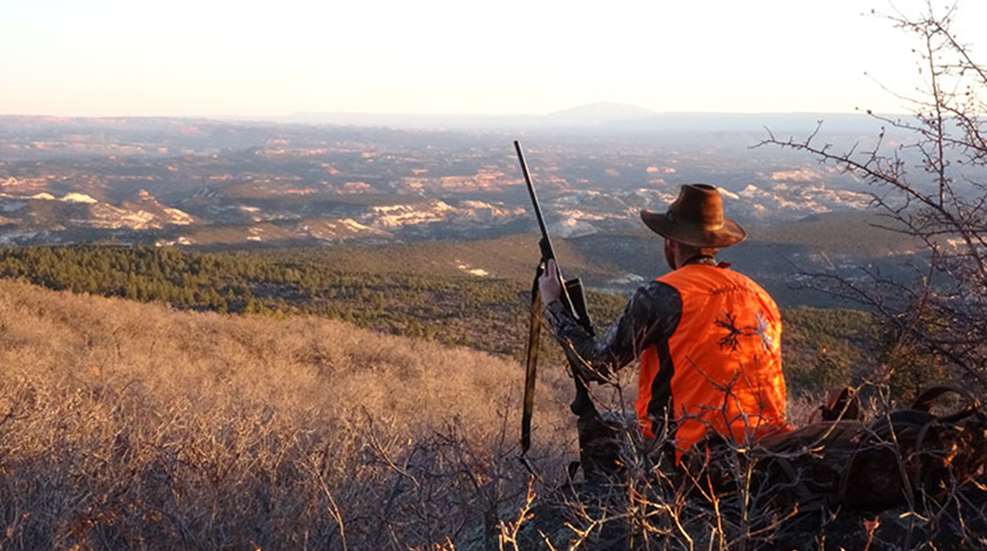
No, you don’t have to be a triathlon athlete to have a good western adventure. But your ability to find and hunt good, game-rich country is directly effected by your physical condition. Get in the best shape you can. Bike or run to improve cardio, lift light(ish) weights to build strength and stamina, and carry a backpack up hills or stadium steps to increase balance and endurance. When you successfully make that last, hard, leg-burning push and to harvest a buck or bull, you’ll look back and thank me.
3. Play With Your Gun
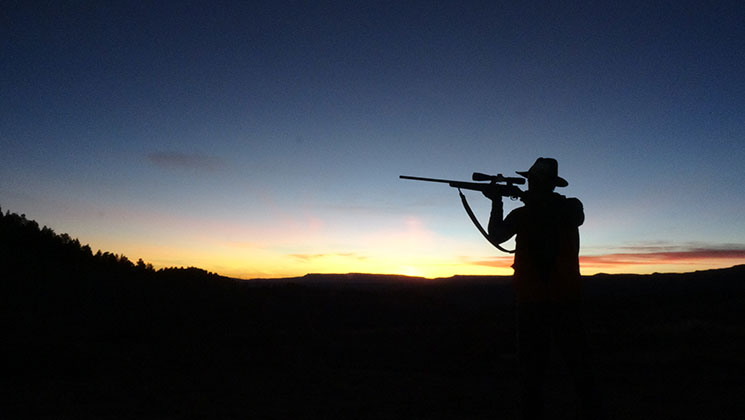
Yes, I know, that’s against the rules. But there are exceptions, and this is one of them. You should handle your hunting rifle until all its functions become automatic. Load and unload, cycle the action, set and release the safety and snap the trigger until you can do everything without looking. When the moment of truth arrives, your rifle will be an extension of yourself without conscious thought. Of course, it goes without saying that extreme attention to safety must be paid at all times.
4. Learn Your Scope
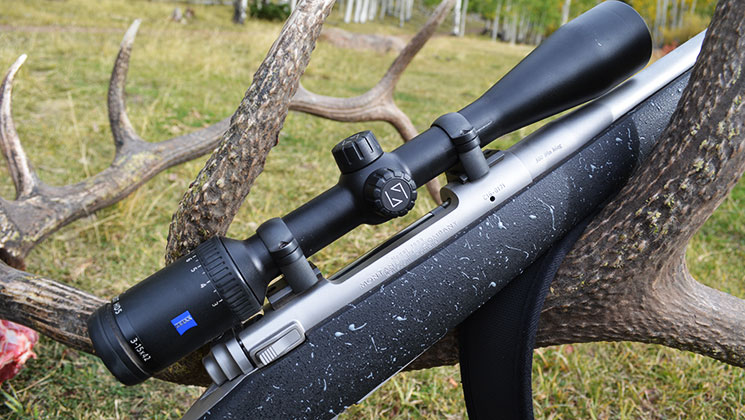
Had the lady in the beginning of this article read this section, she would now have a big buck hanging on the wall. You need to train to do two things: first, learn to carry your riflescope on low power. That will give you a large field-of-view for finding animals in your scope and enable you to make a very close shot, should the opportunity arise. You can always crank the power on your scope up should the opportunity for a long shot (think over 200 yards) arise. Second, practice looking at an object, then mounting your rifle and finding the object through your scope. Repeat often—this is huge.
5. Practice Field Positions
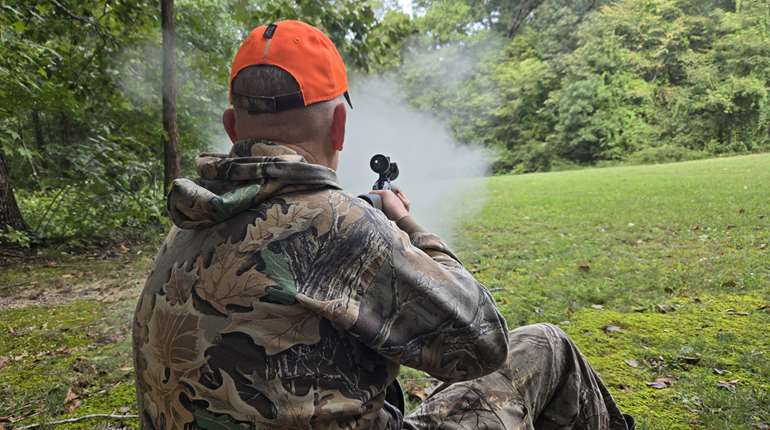
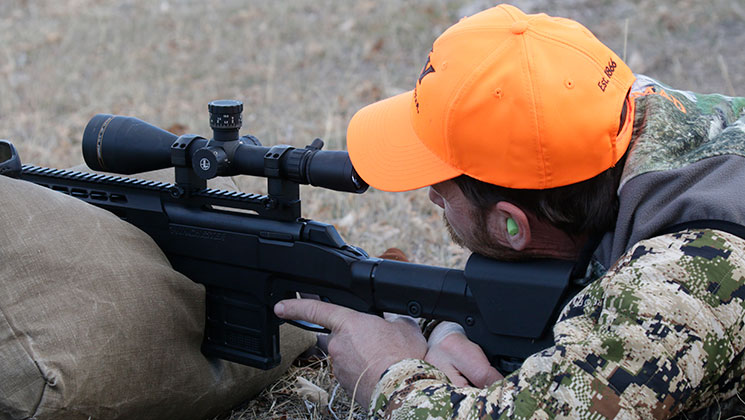
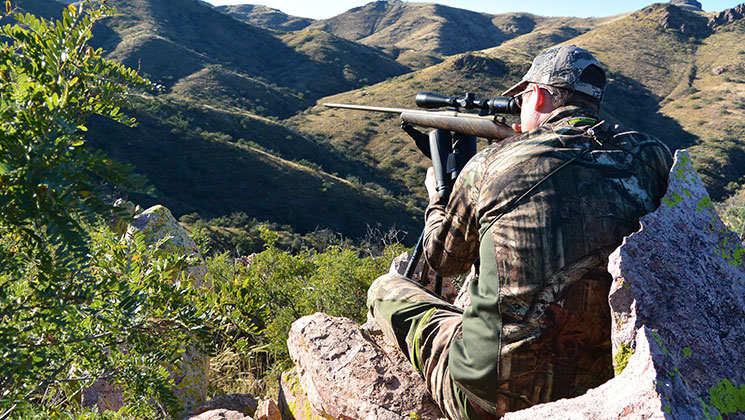
Remember this: Prone is best, sitting is next and standing (offhand) is the worst. So here’s what you do: practice smoothly, assuming a steady prone field position, utilizing whatever nearby object you can (rock, log, backpack) for a dead-rest. Do the same with the sitting position, locking both elbows on their corresponding knees, and trying to find and utilize any kind of rest (stump, backpack on end) to steady your rifle. Lastly, practice a relaxed but steady offhand position, and learn to utilize anything (tree trunk, fence) to steady your aim. Only use this position for very close shots.
6. Add a Snap
Put the last two drills together and add a third. Here’s how: go on a walk with your empty rifle. Spot various objects within your hunting range—near, far and in-between. Each time you choose a target, quickly assess and assume the nearest good field position, find the target in your scope, get steady and squeeze (dry-fire) the trigger. Rapidly work the action on your empty rifle and snap a steady follow-up shot. This three-part drill will make the difference between meat on the table and stories about the one that got away.
7. Get the Gear
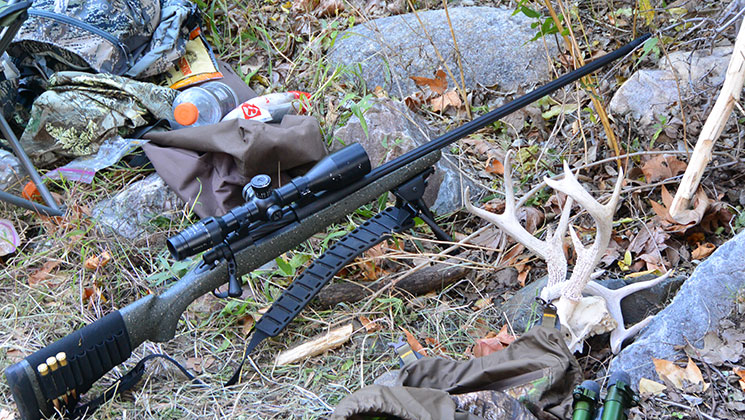
You don’t need the most expensive, trendy gear. But you can’t afford to bet your hunt on cheap Walmart gear either. Get quality gear—that’s what matters. And if you’re planning to bivy hunt, get lightweight gear. I’m talking about clothing, shoes, backpack, optics, tent, sleeping bag and pad, headlamp, cook-set and so on. When the chips are down, good gear will make the difference.
8. Prep Your Feet
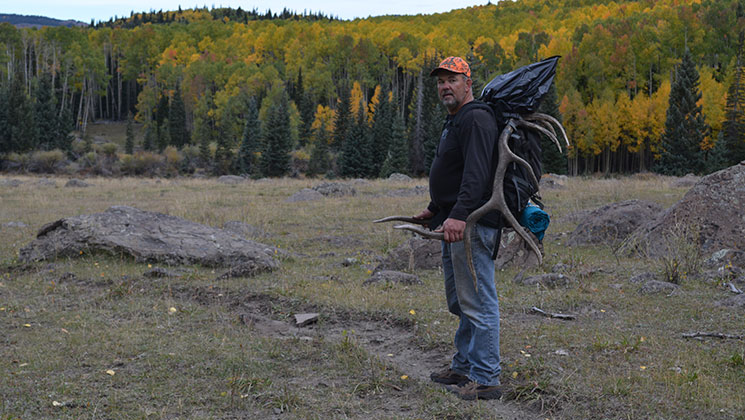
Battered feet can halt a promising adventure in its, ah, tracks. Here’s the key to preparing your feet to handle the hardship of a rugged-country hunt: First, get good shoes or boots that fit your feet well. Second, and more importantly, wear those new shoes until they are half worn out before you even go hunting. That way, those ten or twelve hard daily miles won’t turn your feet into bruised and battered show stoppers.
9. Train to Bivy
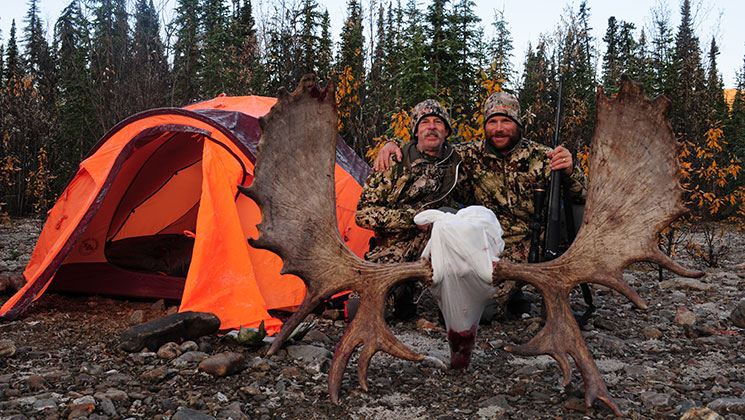
If there is one secret weapon that I believe gives me the edge over wary game and competing public-land hunters, it is sleeping on the mountain among the wildlife, but sleeping alone in the woods isn’t easy for everyone. It sounds comical, but try camping out in your backyard for starters, then move on to the back-field on your buddy’s farm. Time comes to head into the high country with rifle in hand and camp on your back, you’ll be ready.
10. Get the Attitude
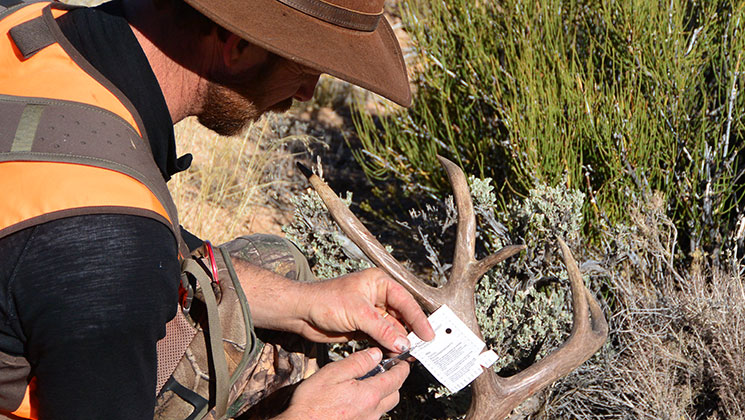
The final ingredient to a successful western hunt—be it guided or DIY—is a positive, git-er-done attitude. Make up your mind to enjoy your adventure regardless of rain or shine, and to see it through to the very end. I can’t count the number of last hour, last-minute-of-last-day harvests I’ve known. It happens, and you should be prepared to hunt happily until the last shred of shooting light is gone. If you do, your hunt will be a success, regardless if the final menu features tenderloin steak or tag soup.