** When you buy products through the links on our site, we may earn a commission that supports NRA's mission to protect, preserve and defend the Second Amendment. **
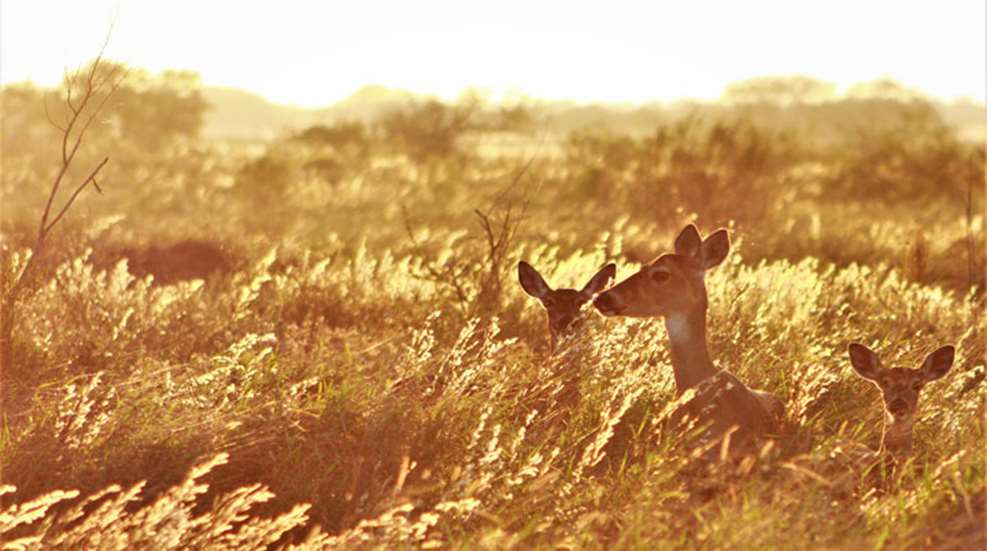
Yes, you read that correctly. COVID-19 appears to have hit even our cherished woodland. A survey conducted by the U.S. Department of Agriculture (USDA) detected antibodies for SARS-CoV-2 in the deer populations of four states. To be sure, this is not all bad news—the presence of antibodies does mean that the deer contracted the disease, but also indicates resilience, as they seem to have easily fought it off. Furthermore, while the deer present with antibodies, none have shown symptoms of the illness.
While there have been previous examples of COVID-19 presenting in animals, and studies have indicated whitetails can contract and spread the virus in laboratory settings, this is the first confirmation such transmission is occurring in the wild. Previously, while a range of zoo animals have tested positive in captivity, mink were the only animal found to have contracted it in the wild.
According to National Geographic, 624 deer across Michigan, Illinois, Pennsylvania and New York were tested both pre- and post-pandemic. An analysis of 385 blood samples collected at the beginning months of this year (2021) indicated 152 deer (40 percent) possessed the appropriate antibodies. Surprisingly enough, Michigan—not New York—boasted the highest proportion of infected deer, sitting somewhere around 67 percent of their 113 samples. Researchers surmised transmission could have occurred between other animals in the wild, contaminated wastewater, or even from humans.
"Given the percentage of samples in this study that had detectable antibodies, as well as the high numbers of white-tailed deer throughout the United States and their close contact with people, it is likely that deer in other states have also been exposed to the virus," a USDA spokesperson told Nature magazine.
For more details, check out the USDA Animal and Plant Health Inspection Service website here.
While there have been previous examples of COVID-19 presenting in animals, and studies have indicated whitetails can contract and spread the virus in laboratory settings, this is the first confirmation such transmission is occurring in the wild. Previously, while a range of zoo animals have tested positive in captivity, mink were the only animal found to have contracted it in the wild.
According to National Geographic, 624 deer across Michigan, Illinois, Pennsylvania and New York were tested both pre- and post-pandemic. An analysis of 385 blood samples collected at the beginning months of this year (2021) indicated 152 deer (40 percent) possessed the appropriate antibodies. Surprisingly enough, Michigan—not New York—boasted the highest proportion of infected deer, sitting somewhere around 67 percent of their 113 samples. Researchers surmised transmission could have occurred between other animals in the wild, contaminated wastewater, or even from humans.
"Given the percentage of samples in this study that had detectable antibodies, as well as the high numbers of white-tailed deer throughout the United States and their close contact with people, it is likely that deer in other states have also been exposed to the virus," a USDA spokesperson told Nature magazine.
For more details, check out the USDA Animal and Plant Health Inspection Service website here.