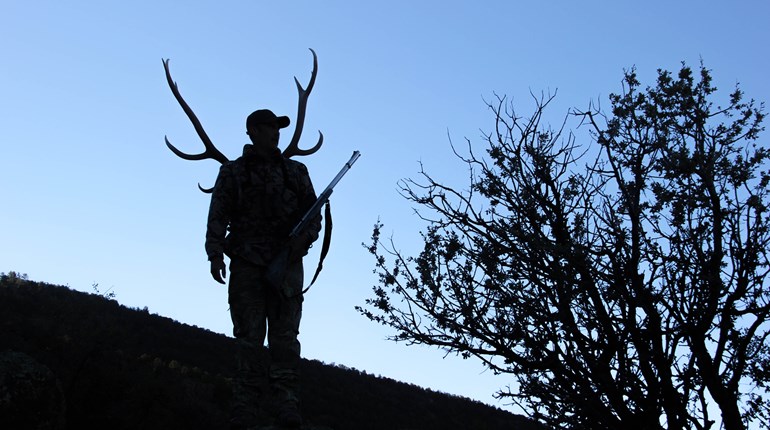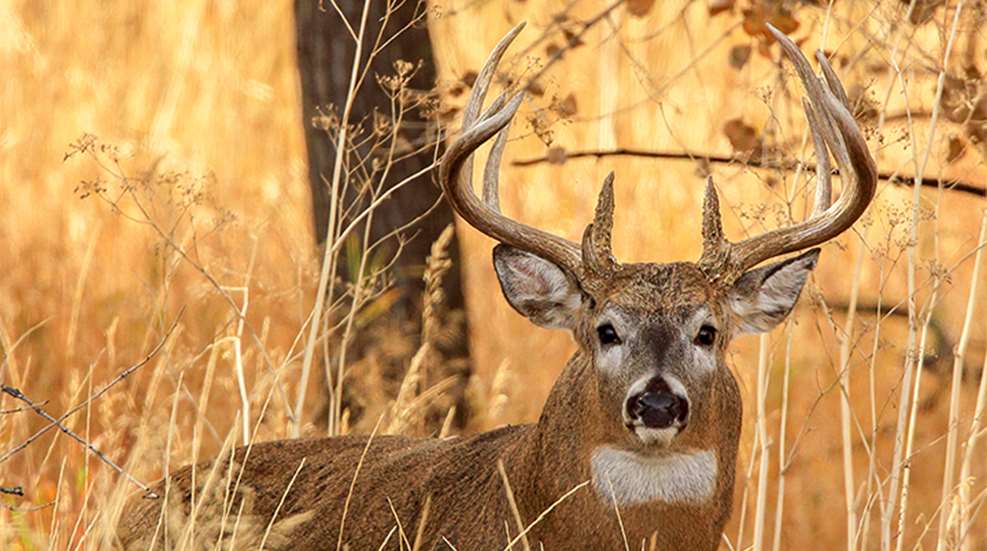
Nothing charges the soul of a hunter like seeing large antlers moving through the woods. But impressive as they are, antlers aren’t just for looks; large headgear plays an important evolutionary role in the selection of mates. Antlers have also served as decorative items, tools and even as medicinal supplements for humans, too. Here are six amazing facts about antlers.
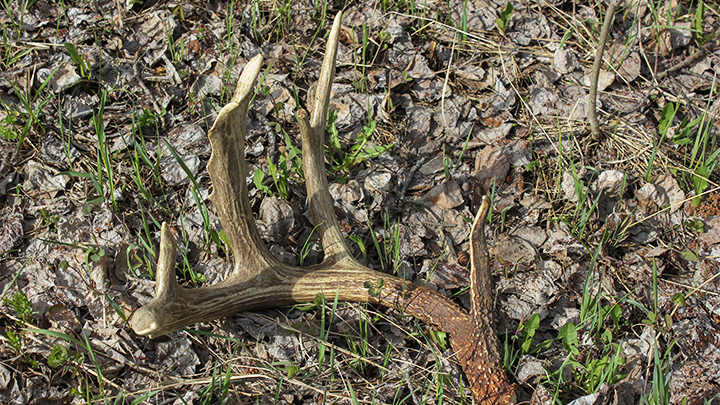
1. Antlers are the Fastest Growing Animal Tissue
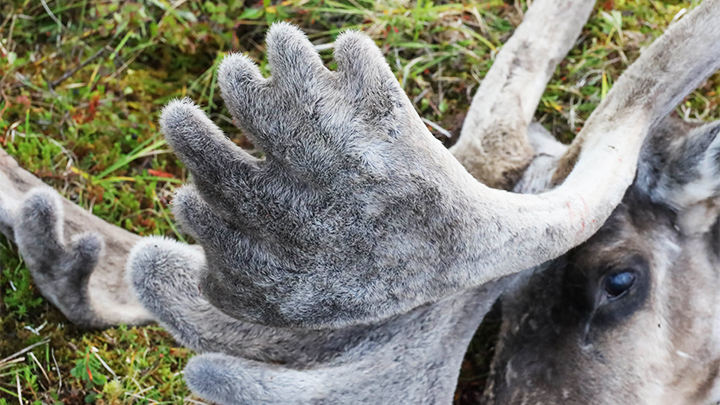
Amazingly, antlers can grow up to an inch per day, which is far faster than any other animal tissue. This rapid growth is thanks to a hormone known as insulin-like growth factor 1, or simply IGF-1. IGF-1 is an important hormone in growth and development of a wide variety of species including humans, and for that reason the hormone has been used (and subsequently banned) in sporting competitions. When antlers grow, a rich supply of IGF-1 speeds up development. The leading edge of bone is made of cartilage and is flexible, and it is covered by blood-rich velvet that nourished the cartilage which eventually hardens to bone.
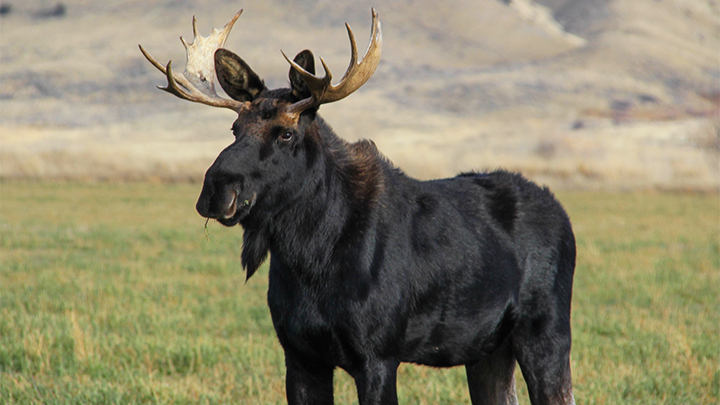
2. Antlers Were Important Tools for Early Humans
Antlers served as an important raw material for our ancient ancestors. Early hunter-gatherer societies began using bone tools 1.5 million years ago, and antler tools were used wherever available. In this country, antler was particularly beneficial to indigenous Americans because it was well-suited to knapping flint, but antlers were also used as awls, spearpoints, eating utensils, handles, musical instruments and toys.
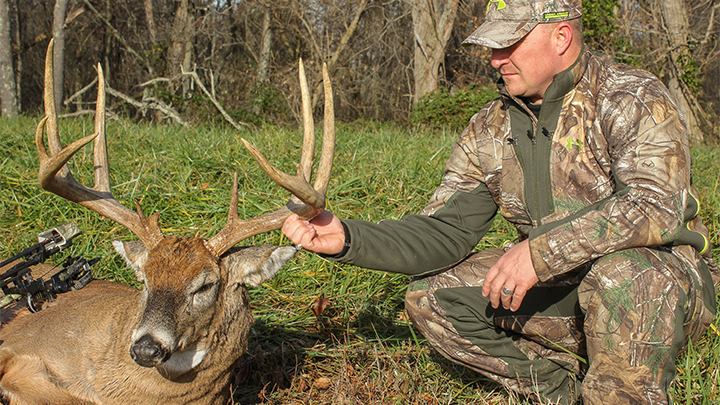
3. People Have Been Managing for Large Antlers for a Long Time
Think managing for large antlers is something new? Think again. The famous Greek philosopher and scientist Aristotle was fascinated by antlers and recognized as early as 55 B.C. that antler growth was controlled by hormones, noting that captive male deer that were castrated before antler growth began never grew antlers at all. In the fourteenth century William Twici, who served as the huntsman for King Edward II, noted that “the head grows according to the pasture, good or otherwise.” Subsequently, Twici began improving pastures to grow larger deer for the king and, in doing so, became the first known trophy deer manager.
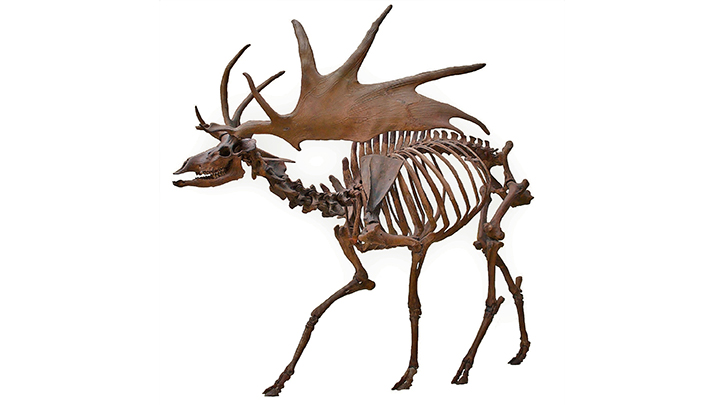
4. Ancestral Deer Had Truly Enormous Antlers
Modern elk and moose have huge antlers, but they pale in comparison to the gargantuan headgear carried by the now extinct Megaloceros giganteus, or Irish elk. Translated from Greek, Megaloceros means “great horn,” an apt name for this deer whose antlers measured roughly 12 feet across and weighed almost 100 pounds. “Irish elk,” is a poorer name, though, because Megaloceros giganteus isn’t closely related to elk and didn’t live exclusively in Ireland (although the first specimen was unearthed there in the late seventeenth century). Irish elk, or giant deer, as they’re called by scientists today, are most closely related to red stag and fallow deer and ranged from western Europe to Siberia. These huge deer went extinct over 7,000 years ago.
5. Multiple Factors Determine Antler Size and Shape
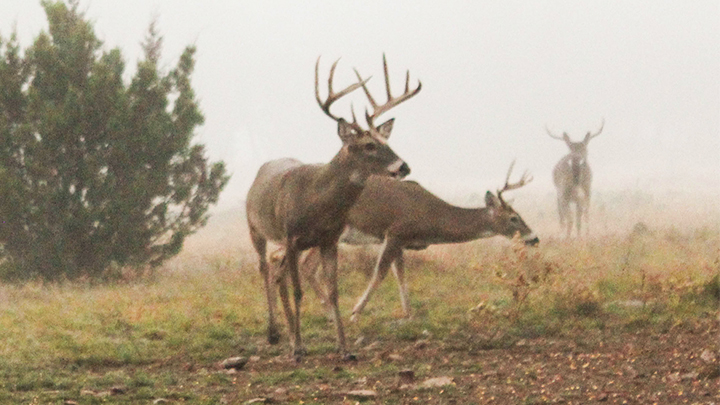
Growing big antlers requires several things. First, large antlers require lots of food. A male deer that locates abundant food has a better chance of growing big antlers, and those antlers serve as an indicator to females regarding the buck’s overall health. Trace minerals from the soil—particularly phosphorus and calcium—are critical for antler development and are obtained through food. Large antlers also require good genetics. As captive deer breeders have learned, the antler growth potential of a particular buck is determined to some degree by the genes inherited from the deer’s father and mother. Hormones play a critical role in healthy antler development, too. Hormone imbalances impact antler growth, and these imbalances are the reason that female whitetail deer sometimes grow antlers.
6. Daylight Plays a Role
Antler growth, hardening and shedding occurs on a regular cycle, and that routine timing is controlled by the pineal gland. The pineal gland lies close to the optic nerve in the brain and variations in photoperiod (the amount of daylight) prompt the pineal gland to initiate hormonal reactions in the deer’s body. As days begin to lengthen in the spring, the pineal gland relays a message to the pituitary gland which initiates an increase in testosterone. That increase in testosterone prompts pedicle development, the first stage of antler growth. As the days shorten, messages from the pineal gland to the pituitary signal the onset of the breeding season and hormones cause the velvet to die and antler to harden. In late winter, when the daylight period is shortest, the pineal gland prompts the pituitary to release hormones again and this causes the live bone of the skull to separate from the dead bone of the antler. This process is called antler casting by scientists and shedding by hunters.