How to Choose a Hog Hunting Cartridge

by
posted on May 28, 2017
** When you buy products through the links on our site, we may earn a commission that supports NRA's mission to protect, preserve and defend the Second Amendment. **
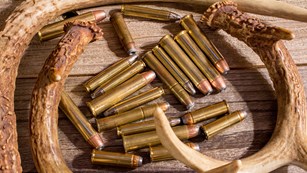
loaded_for_boar_f.jpg

Editor's note: Author Craig Boddington has killed feral hogs across the globe. You can read about his adventures here.

I’m bound to get letters from hunters who maintain they only take head shots and insist .22 centerfires are plenty of gun. This is true if you hunt in situations where you can pick your shots, such as from stands. And if you hunt pigs with hounds, then a big handgun is perfectly adequate.

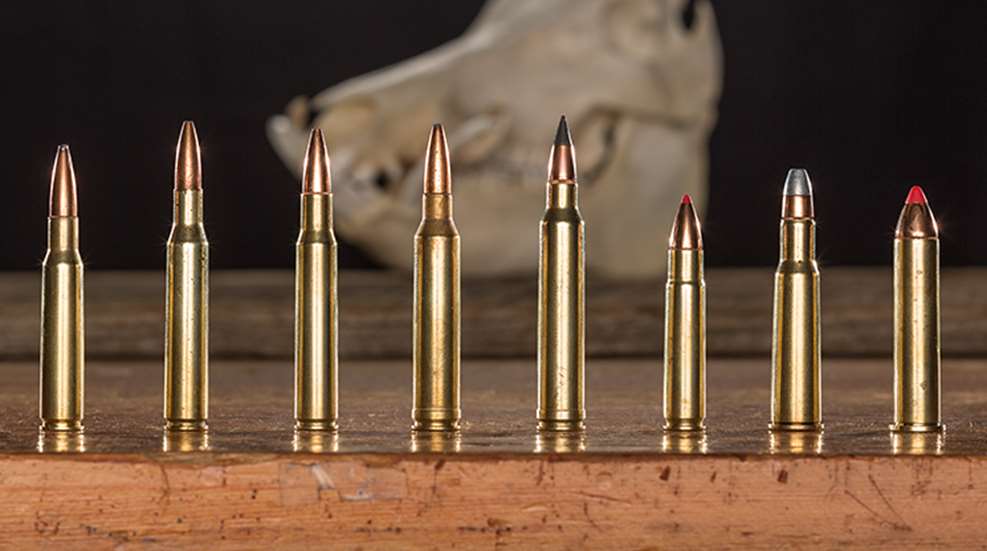
For the full run of pig hunting a big rifle is better. But let’s keep “big” in perspective. I learned spot-and-stalk hog hunting from Mike Ballew, former executive director of the NRA Whittington Center, when he was the hunting manager of Dye Creek Ranch in northern California. Ballew supervised the yearly hunting of several hundred pigs and had his share of close calls. Yes, wounded pigs—of all types—will charge readily. Sows come low, biting; boars come higher, slashing with their tusks. Ballew carried a “big rifle” for backup: a .270 or 7x57. Either is plenty for any pig that walks, and the .30-06 is also very hard to beat. If you have an inclination toward long shots then more is better: fast 7mms and .30-calibers. On the other hand, if you like to get up close and personal, traditional “brush cartridges” like the .35 Rem., .348 Win. and .45-70 Gov’t. are lots of fun.

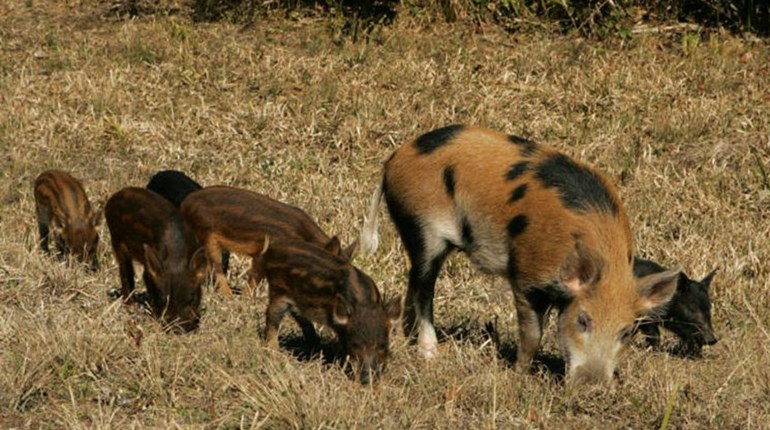
Keep in mind that there’s a big difference between a 120-pound eatin’-size sow and a 300-pound boar … not the same animal at all. Only boars have the thick cartilage shield over neck and shoulders, proof against tusks. This shield is not bulletproof but can make a quick-expanding bullet set up too quickly. Choose bullets of at least medium weight for caliber that are designed to penetrate!

Latest

Grizzly Bear In The Water

Will Grizzly Bear Management be Returned to the States?

When the grizzly bear in the Lower 48 was given Endangered Species Act (ESA) protection as a threatened species in 1975, it was supposed to be a temporary protection that would be lifted once populations met or exceeded specific goals. Now more than a half century later and with grizzly populations that have spread and met or far surpassed the goals set in 1975.

New for 2026: Leupold LCO Pro F2 Red-Dot

Leupold & Stevens, Inc. has launched its LCO Pro F2 red-dot sight, combining optical clarity, reliability and purpose-built features in a full-sized red dot.

Member's Best 2026

I am heartened by this year’s entries. In addition to fabulous photographs, almost all of you delivered exceptional narratives of your hunts. We used your very words wherever possible because it’s an honor to see you all rise to such an occasion as sharing a special moment with your fellow hunters. You now know a little bit about what drives an outdoor writer. —J. Scott Olmsted, Editor in Chief

New for 2026: Vortex Crossfire II

Available with either a red or green dot, the Vortex Crossfire II Red Dot lineup brings added function to the Crossfire series.

USFWS Proposes New Grizzly Bear Management Rule

On July 17 the U.S. Fish and Wildlife Service (USFWS) published a proposed rulemaking change on the Federal Register that, if approved, would allow western states to better manage their grizzly bear population. Despite their burgeoning population the big bruins remain on the “endangered” list under the Endangered Species Act (ESA), a fact that has paralyzed regional conservation efforts, impacted other wildlife populations and dramatically increased human/bear conflicts.

Gear Roundup: Summer Shooting Fun

Looking to up your marksmanship skills this summer, or just plink around for fun? Check out this roundup of gear tailor-made for summer shooting fun.

Interests


Get the best of American Hunter delivered to your inbox.