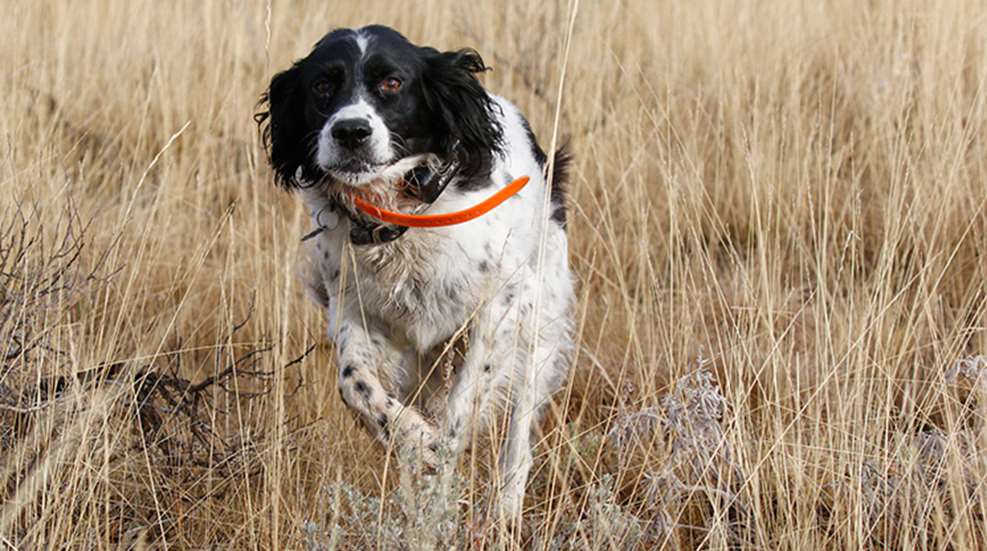
Grass kills. Dogs. Maybe yours. And we’re not talking medical marijuana here.
The folks at Purina Pro Plan warned about killer grass in their May/June newsletter, just in time for the deadly grass season: late summer and early fall. My dogs have been dodging deadly grass for decades, not always successfully. I’ve found several limping and bleeding, and at least one went under the knife to miss an early appointment with the Grim Reaper—all just from grass.
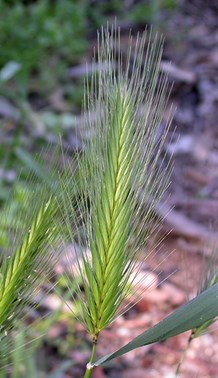 The seeds of many grasses have evolved sharply pointed coverings called awns. These often include barbs and sometimes quasi-mechanical tails designed to help them twist and burrow into soil—or flesh. Science calls this form of animal-aided seed dispersal zoochory. It’s great for the grass, not so good for Dog.
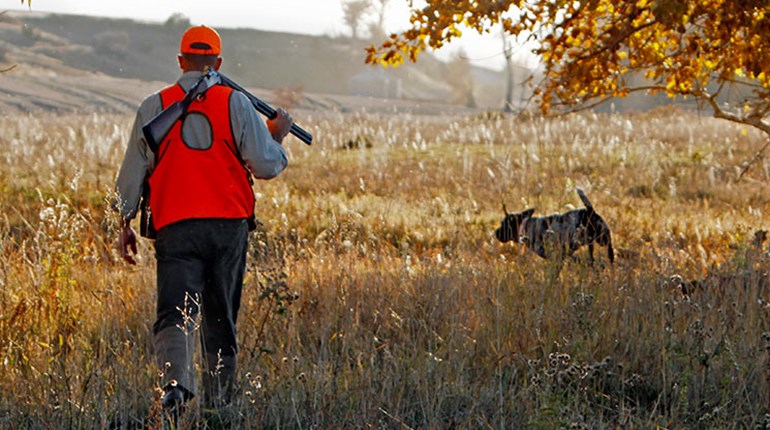
When dogs run through dried grass, the awns jam into coats and flesh. Many break free from the plant, spring into the air and land in eyes and ears. A panting dog can easily suck awns into its mouth, nose, trachea and lungs. Dozens of awns can jam between a dog’s toes. If not discovered and removed, they worm their way deeper, potentially crippling the dog.
Here’s how to combat this scourge:
■ Learn the enemy. Google cheatgrass, foxtail, needle-and-thread, porcupine grass and various wild ryes. Know what they look like, and avoid them if you can.
■ A protective vest can shield Dog’s chest and belly, but may overheat him.
■ Brush Dog’s coat thoroughly after any run in dried grass. Use a fine comb in addition to a brush.
■ Conduct a body search, focusing on the chest, belly and between toes. Clip between-toe hairs short to better spot and remove seeds with tweezers, a hemostat or needle-nose pliers.
■ Monitor Dog for signs of awns. Vigorous head shaking suggests an awn in the ear. Sneezing implies a nose awn. A weepy eye held shut indicates an awn behind a lid. Excessive licking and gaping might mean an awn embedded somewhere in the mouth. Coughing points to an awn in the trachea. Persistent coughing, lethargy, weight loss and a fever between 103 and 104 degrees are signs of possible awn infection deeper in the body. While you can remove some awns in the field or at home, be prepared to haul Dog to a vet.
■ If awn problems persist, stay out of the field until fall rains have soaked, softened and driven most of these nasty seeds into the ground.
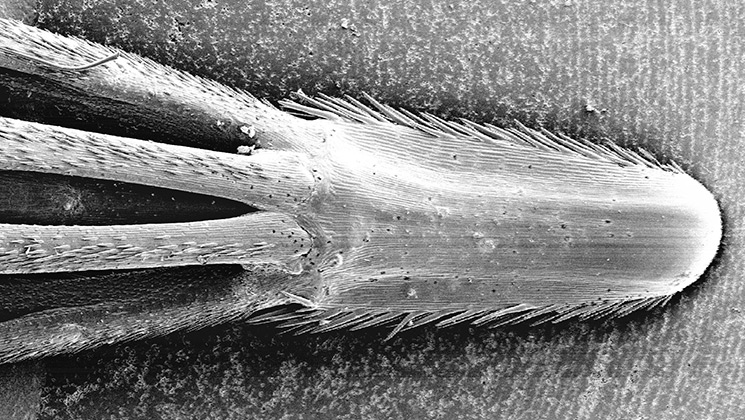
A scanning electron micrograph reveals the spines covering an awn from false barley.