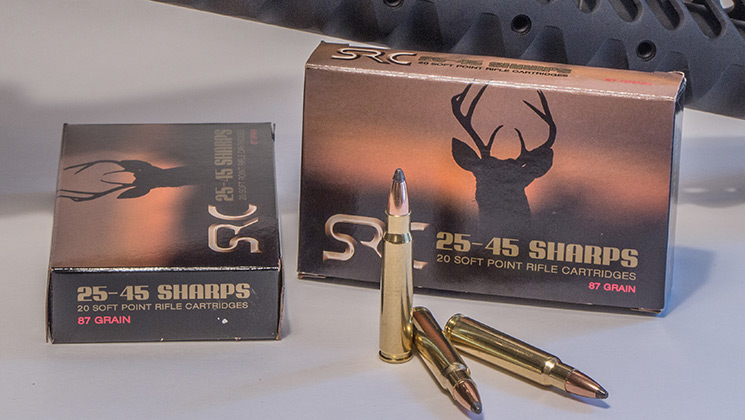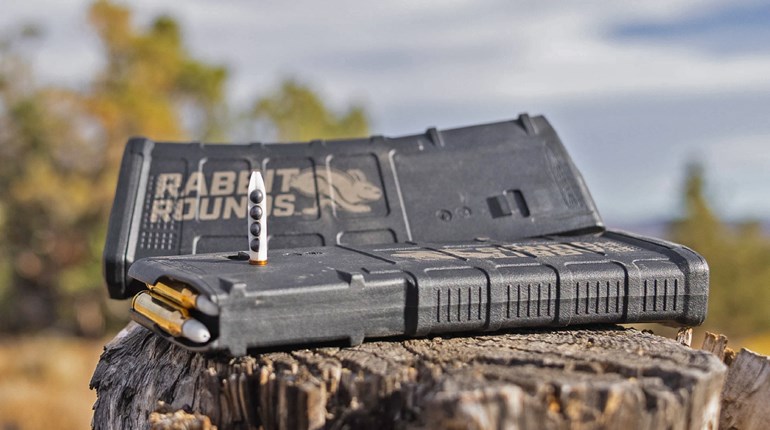
If a new rifle cartridge is not supported by one of the main ammunition manufacturers, it doesn’t seem to get much traction. This is unfortunate, specifically in the case of the .25-45 Sharps, because it provides an easy-to-obtain ballistic advantage over the two most popular AR-15 chamberings: the .223 Rem. and the .300 Blackout. Here are some things I bet you didn’t know about it.
1. At last count, nine states permitting rifle hunting for big game—Colorado, Connecticut, Indiana, Iowa, Kansas, Minnesota, Virginia, Washington and Wyoming—did not allow the .223 Rem. If you want to hunt with your AR-15 in those states, the .25-45 Sharps is perfectly legal—except for Indiana. Indiana, curiously, does not permit cartridges between .243 and .308 to be used for deer hunting.
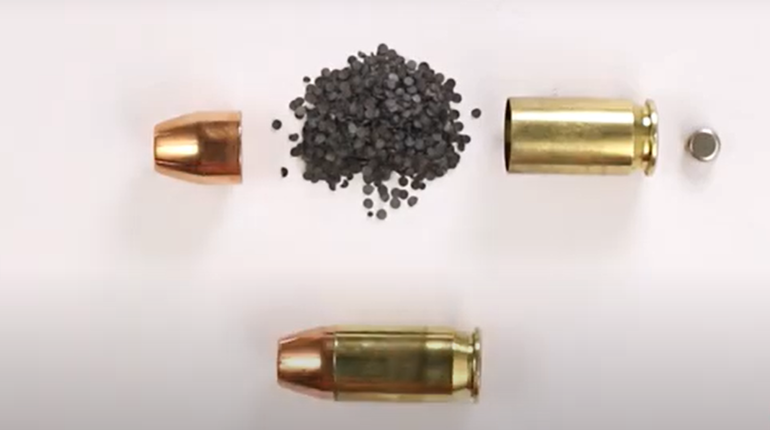
2. The .25-45 Sharps cartridge was created by the Sharps Rifle Company (SRC) and first appeared in the Cartridges of the World (13th Edition) reference book in 2012. The cartridge is based on the .223 Rem. case and brass can easily be made from once fired .223 Rem. cases.
3. During cartridge development several names were considered for the .25-45 Sharps. They included the .250 Sharps, .257 Sharps and the .25x45mm. Ultimately .25-45 Sharps was chosen because it accurately depicted the caliber (.257) in inches and the case length (45) in millimeters. Two numbers identified original Sharps cartridges too, but with those the first number signified caliber and the second the amount of blackpowder used.
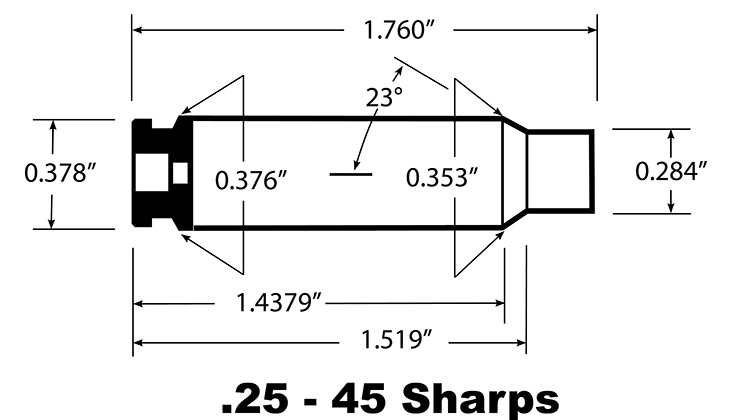
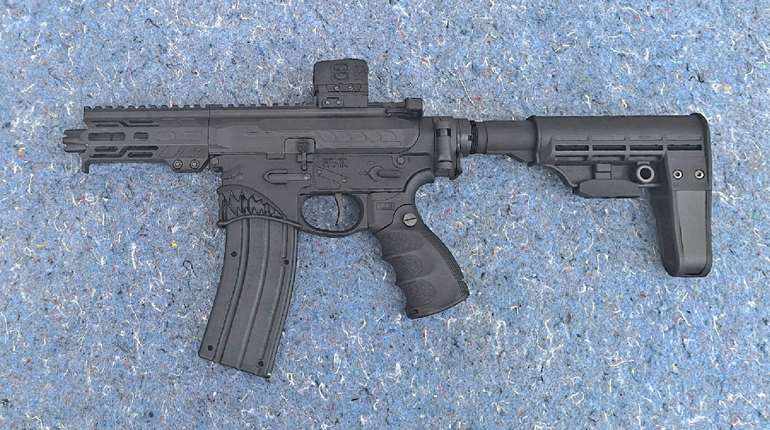
4. Converting an AR-15 in .223 Rem./5.56 NATO or .300 Blackout to .25-45 Sharps is easy. All you have to do is swap barrels. The .25-45 Sharps cartridge works with the same bolt and magazine as both. You can make the conversion for about $230. Complete rifles are available from SRC for around $1200. A Mossberg MVP rifle, which feeds from common AR-15 magazines, can be converted to the .25-45 Sharps by installing a new barrel, too.
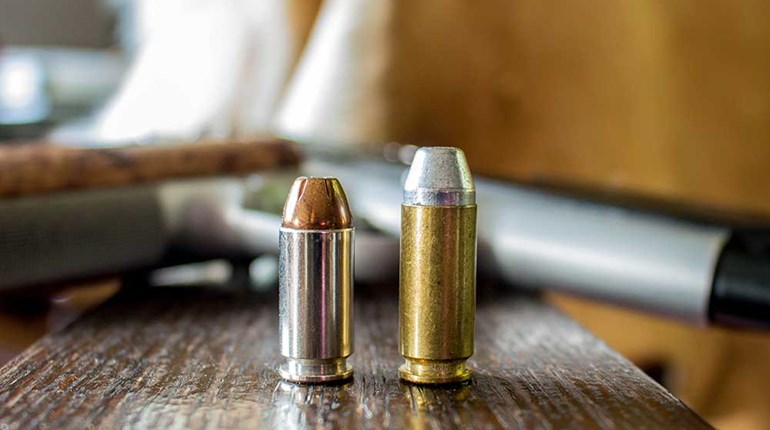
5. At 100 yards the standard 87-grain .25-45 Sharps load generates 1384 foot-pounds of energy. By comparison, the best big game hunting loads for the .223 Rem. and the .300 Blackout will only generate about 1000 foot pounds. The .25-45 Sharps provides a 38 percent energy increase over both cartridges, with near identical levels of recoil.
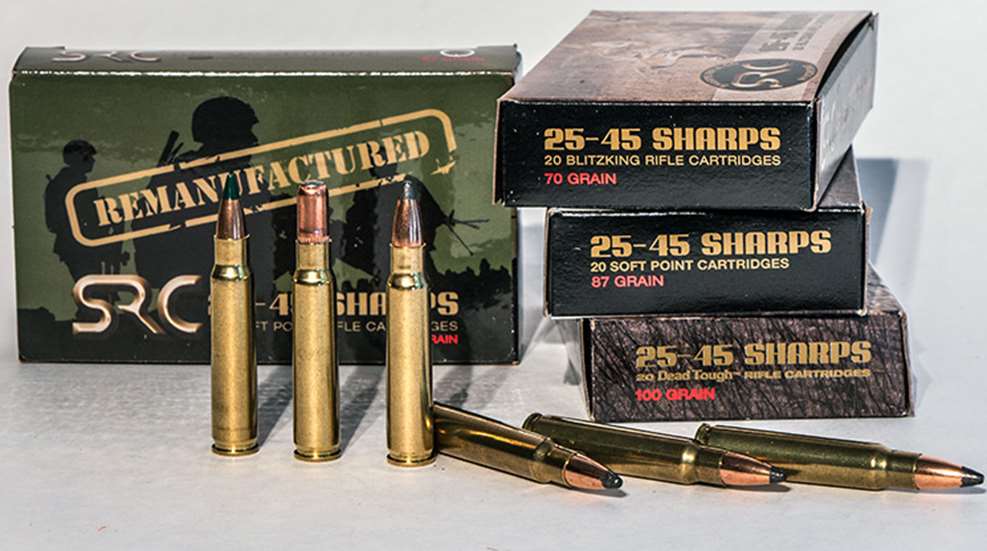
6. Currently, there are four factory loads for the .25-45 Sharps. They include the original and big game capable, 87-grain Speer Soft Point at 3000 fps in both factory new and remanufactured versions. There’s also 70-grain Sierra BlitzKing bullet loaded to 3100 fps, which is ideal for varmints. And finally, there’s a 100-grain Swine Smasher bullet at 2650 fps, specifically designed for shooting wild hogs.
7. From a ballistics standpoint, the .25-45 Sharps fills the same niche as the .250 Savage. The .250 Savage (.250-3000) was once considered one of the best combination big game and varmint cartridges available. It was also the first commercial rifle cartridge to break the 3000 fps mark. The .25-45 Sharps duplicates the ballistics of the grand old .250 Savage.
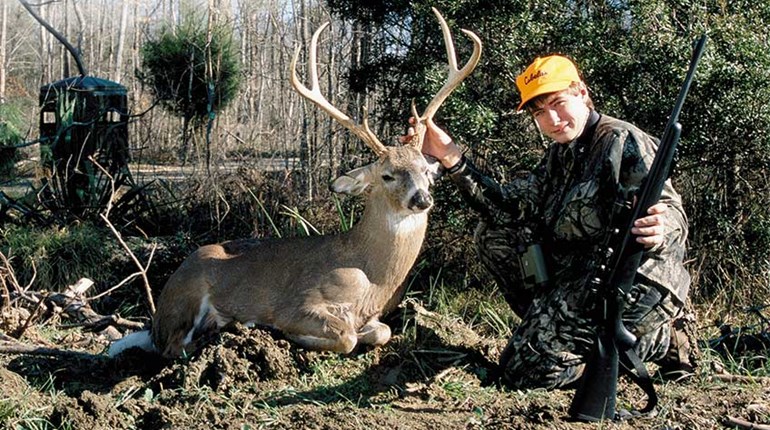
Those interested in the .25-45 Sharps should contact the Sharps Rifle Company. They are the one-stop shop for everything related to the .25-45 Sharps. How does the cartridge work in the field? My son used one in Africa to take a fine steenbok, several warthogs and a jackal. Like the .250 Savage it was engineered to duplicate, the .25-45 Sharps a fine dual-purpose cartridge.