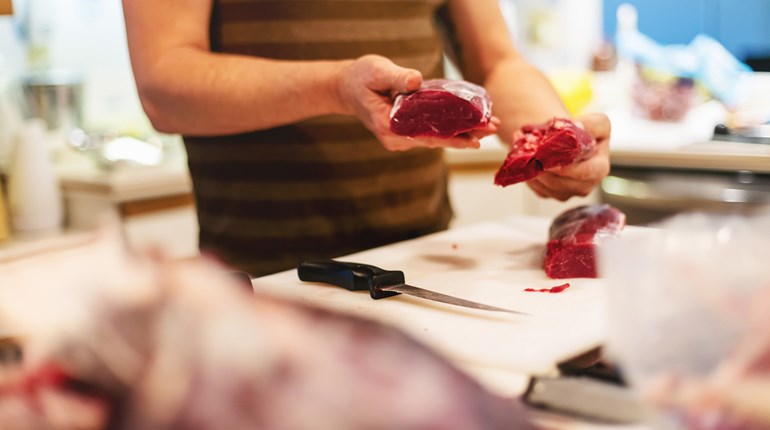
Processing your own game meat can be very rewarding, and provides an opportunity to try parts of the animal that you’ve never tasted before—like the heart, liver and tongue. It can also be very time consuming, though, and if you don’t have experience butchering you can wind up losing a lot of meat. It is a worthwhile endeavor to take a class or two on butchering, or even watch video tutorials as a way to empower yourself to do it at home. That said, there is something wonderful about having a meat processor deliver the fruits of your hunt to you in nicely packaged portions for your freezer. Regardless of the path you choose, here are some things to keep in mind so that you get the most out of processing your meat for delicious meals year-round.
1. Keep it Cool
Once you have field dressed and skinned the animal, it should be cooled down as quickly as possible. This will prevent it from spoiling. This may seem obvious but it is particularly important if you plan to bring it to a professional processor because they won’t process the meat unless it’s in very good condition.
2. Keep it Clean
By that same token, you’ll want to keep the meat very clean. The blood of a deer, for example, is a great antiseptic and should be used to rub inside the deer cavity, to keep the meat hygienic before it is washed with water and butchered.
3. Seriously, Keep it Clean
One of the main reasons for keeping the meat clean is that it will yield more meat for the dinner table. For example, a very clean headshot will yield 55 percent of the animal in boneless meat, while with average cleanliness it is 50 percent. A dirty carcass with a gut shot will only yield 45 percent.
4. Get Your Game
If you take your meat to the processor, be sure to request that they give you your animal back, not the equivalent in deer meat. If you work hard to kill and field dress a deer cleanly, you want the fruits of your labor, not anyone else’s. The same applies for any specialty items you ask them to make for you, sausages and the like, since those in particular are often done in batches.
5. Be Specific About What You Want
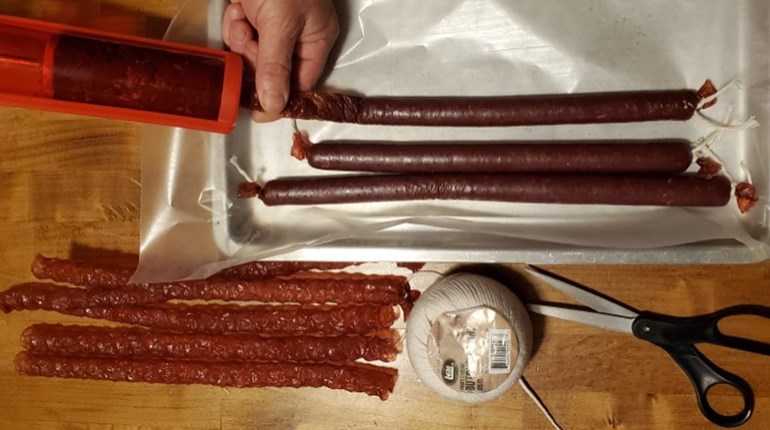
The standard cuts that you can expect to get back from a processor are: roasts, steaks, ground meat, fresh bulk sausage and sometimes jerky. Think about what you and your family eat in a given year—do you love burgers? Eat a lot of sausage for breakfast? Do you love stews and slow cooking meats? That will determine what proportions of burger meat versus roast cuts you request. If you like to have high protein snacks be sure to request lots of jerky as well. Or make your own using cuts from the roast so that you can flavor them to your liking. Rather than letting the processor decide, think about what you like to eat most of in a given year. This will ensure that you don’t run out of your favorite cuts in the freezer and can make more of your favorite recipes.
What ratio of roasts versus burger versus sausage do you ask your processor for? Share it with us in the comments!