 It's not all that uncommon for a property owner in the Midwest to have to put down a four-legged predator from time to time—but it's not often that the animal in question is thousands of miles away from home. That was the case last week as, according to The Courier-Journal, an Indiana man shot and killed a spotted leopard that he and a friend found prowling about the backyard.
Leopards, mind you, are typically only found in Africa, Asia and maybe your local zoo.
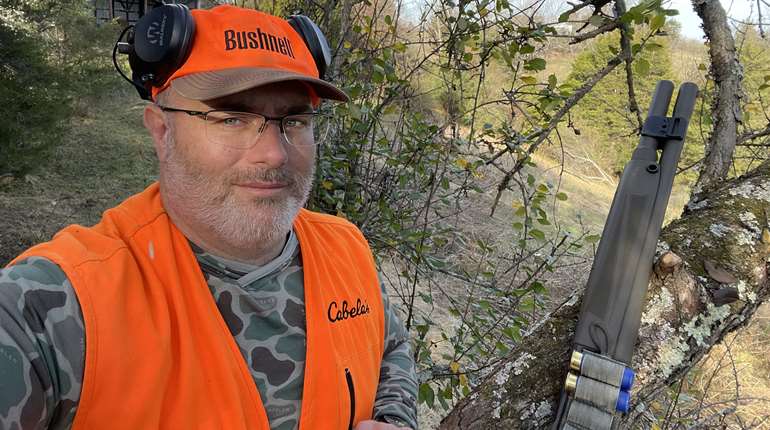
The unidentified resident of Charleston, Ind., had allegedly been keeping a close eye on his girlfriend's property in response to what had supposedly been series of bobcat attacks on local cats and dogs. When the pair spotted a cat-shaped shadow poking around the backyard last Thursday night, they acted. The man shot and killed the feline, fully expecting to be recovering a dead bobcat.
What he found prompted he and his girlfriend to immediately contact the Indiana Department of Natural Resources. The responding officer immediately transported the body to Indianapolis for further analysis.
The cat was later identified as a juvenile leopard. Because of the animal's relative condition (being dead aside), officials believe it was being kept as a pet. That's not illegal in Indiana, but it requires a permit—suffice to say, anyone in the state that's registered as a leopard owner (Seriously folks, just get a gundog!) will soon be getting paid a visit.
There's also the possibility that the leopard came from a preserve or zoo—like the wildlife refuge located less than a mile from where the cat was found. The refuge's owner, however, claims the animal wasn't one of his.
I can't blame the property owner for shooting it—they thought it was a bobcat, and one that had been wreaking havoc on people's pets, at that. As of now, it's hard to say how the leopard found its way to Charlestown.
I think it's safe to say it didn't get to Indiana by itself, though. Stay vigilant, folks—you never know what you're going to run into out there.