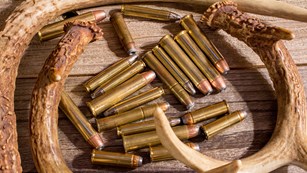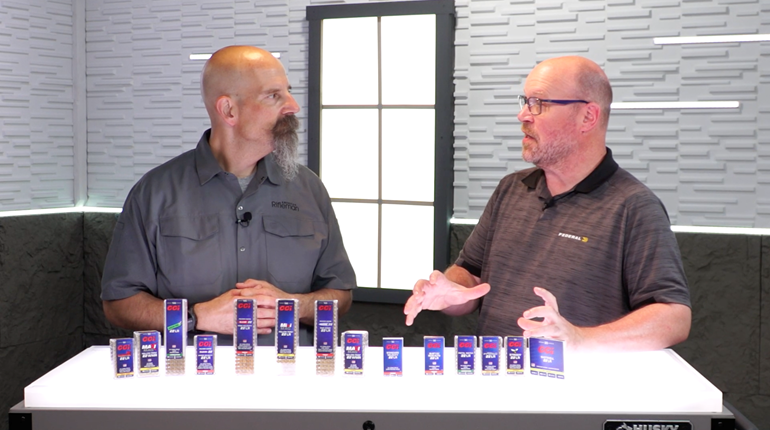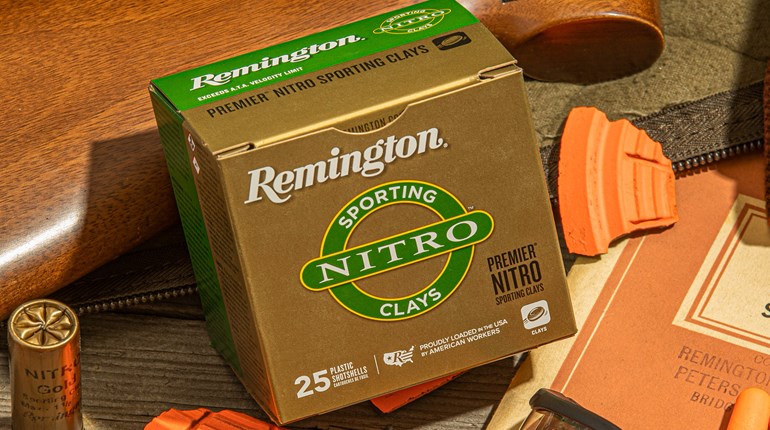
 Do something long enough, and the basics become so much a part of your being that it’s easy to forget that others may not be so enlightened. I am constantly amazed when someone tells me that they do not know there is a difference between factory ammunition, even for bullets of identical weight. It happens with center-fires—“Well they’re both 150-grain .30-06”—as well as rimfires. It happened again last week when I was shooting chiselers in Idaho.
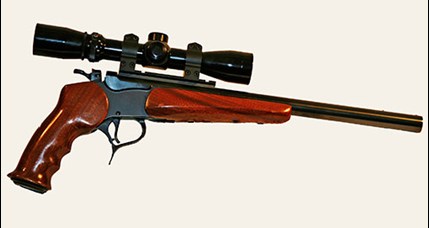
One of my companion shooters—a relative newbie—was frustrated that he could not hit much of anything with his rimfire rifle. I let him shoot my G2 Contender pistol in .17 HMR, which, by the way, was carefully sighted in with Hornady ammo. He fell in love with it and pleaded with me to sell it to him. Come to find out his rifle was sighted in with ammunition of a different brand than what he had with him—and he was shooting solids to boot.
In a way I am somewhat understanding of this situation what with the ammo shortage—especially .22 LR. One can consider themselves lucky to find just about any rimfire ammo today. When the supply eventually eases a bit, we should plan on stocking up and making sure we don’t let our reserves get too low. But I digress from the real point here.
I have written of this before. It is imperative to sight your gun in with the exact ammunition you plan to hunt, compete or defend yourself with. Ammo is not ammo, and every manufacturer loads its product slightly different. Powders vary, as do bullets—even those of the same weight. There are a plethora of variables that affect a bullet’s flight and pathway. If you haven’t sighted in with the same ammunition you intend to use you have no idea where the point of impact will be other than “somewhere downrange.” That’s fine if all you want to do is make noise, but to hit anything with any kind of predictability or repeatability is pretty hopeless.
While we’re at it, repeat after me: Solid bullets are not for hunting. Solid bullets are not for hunting. Get it? It’s one thing to put a 500-grain solid through a few inches of bone into the brain of a Cape buffalo or an outsized pachyderm. It’s quite another to expect a 40-grain .22 bullet at 1,100 fps to do much damage on the soft tissue of a small animal like a squirrel or rabbit.
Most experienced hunters already know all this and I apologize for being redundant to you. But there are plenty of the unenlightened who need this lesson in the basics. And, no, the G2 is not for sale.