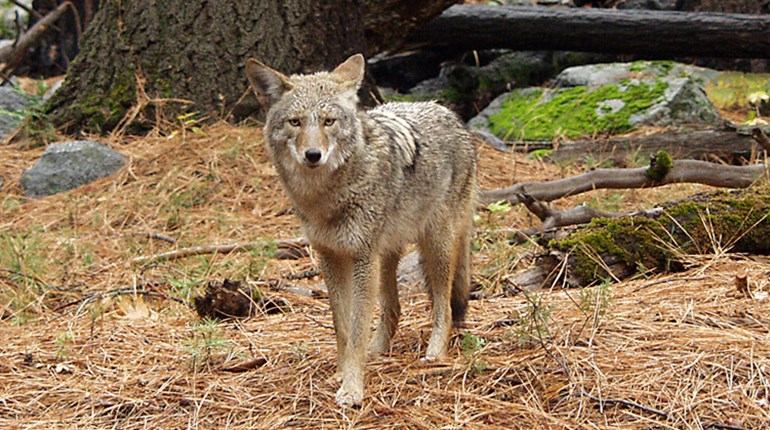
Before man walked the earth, says the mythology of Idaho’s Nez Perce tribe, the monster Kamiah began devouring all the animals. Coyote eluded Kamiah but didn’t want to be the last animal on the planet, so he let Kamiah swallow him. Once inside the beast, Coyote devised a way to sever Kamiah’s heart and thereby freed all the animals. Coyote then sliced up the monster and threw the pieces to the great winds. These pieces in turn gave birth to the peoples of the planet.
We’ve been giving coyotes trouble ever since. We’ve also been beneficial to them. After settlers eradicated wolves from much of North America, coyotes moved in to fill the void in the ecosystems. Coyotes are now found from Central America to Alaska and across the Lower 48.
This opportunistic turn of fate is characteristic of how people have always found coyotes. The name “coyote” is derived from Mexican Spanish coyote, which comes from the Aztec word cóyotl, which means “trickster.” So the coyote has always impressed us as being a wily survivor. This is worth noting because too many first-time predator hunters try coyote hunting, educate a bunch of coyotes then leave the woods thinking there aren’t so many coyotes in their area. This is why coyote hunting must begin with a little respect.
First, Find Them
Next, you should note that the coyote’s scientific name is Canis latrans, which translates to “barking dog” in Latin. As this name plainly states, a coyote will give away itself. Scout by using a howler. Coyotes often will howl back to be social or territorial. Stop in likely spots on calm evenings or mornings (or at night), howl and listen. Mark the spots where you get a response. A coyote’s range can be as much as 10 square miles, but is more often one-tenth that size. Food sources, cover and other coyotes determine their range.
The average distance a coyote covers in a night’s hunt has been estimated at 2.5 miles. When coyotes travel they like to use trails. So check for their tracks in the soft sand or snow along farm roads, the edges of fields and so on.
Make a Setup
Now that you have your marked-up map showing where you’ve seen promising sign, check the wind and look at an aerial photo to mark locations where you can set up to call coyotes from upwind. Al Morris, a pro staffer for Foxpro who has won the World Coyote Calling Championship three times, once took me slowly and quietly through a cedar thicket to set up along a pasture before dawn. Later, after he’d called in a group of coyotes, he explained, “Getting in quietly to a place where any coyotes coming to a call have to show themselves before they can get your wind is 90 percent of the game.”
Sound Like a Free Meal
Stay on stand for 20-30 minutes. (If you’re hunting bobcats, stay for an hour.) Male pups disperse from their dens between 6 and 9 months old. This typically occurs in October. For this reason October is a great time to call. These coyotes are hungry, lonely and uneducated.
The next-best time to call is in December. Bitter days when the wind is consistent but light are ideal. Whether you choose to hand call or to use an electronic call, a rabbit-in-distress call is the go-to sound for most hunting. In pressured areas try other distress calls.
Pick a Fight
Female coyotes go into estrus for two to five days between late January and early March. Once the female chooses a partner, the mated pair will often remain monogamous. This makes the dominant male very territorial at this time. You can provoke a male coyote by howling and barking like a challenger—many call makers include these calls in the libraries installed on their electronic calls. Use a coyote decoy (Montana Decoys has a great, easy-to-carry silhouette) and get ready to be charged.
Make the Kill
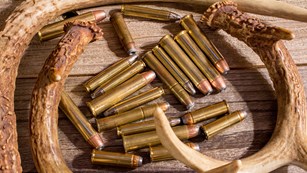
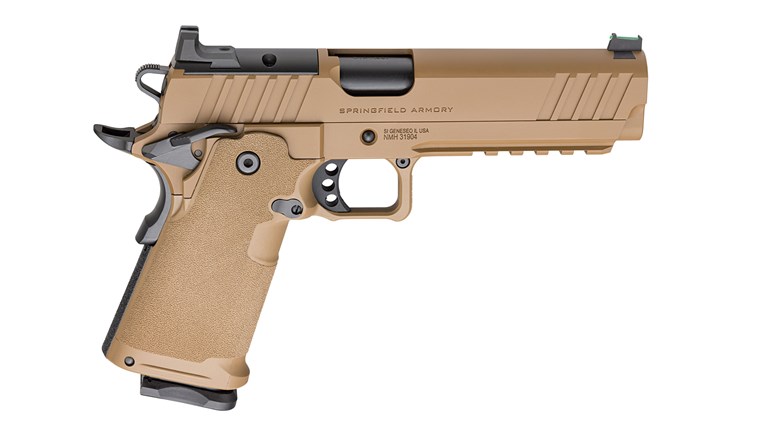
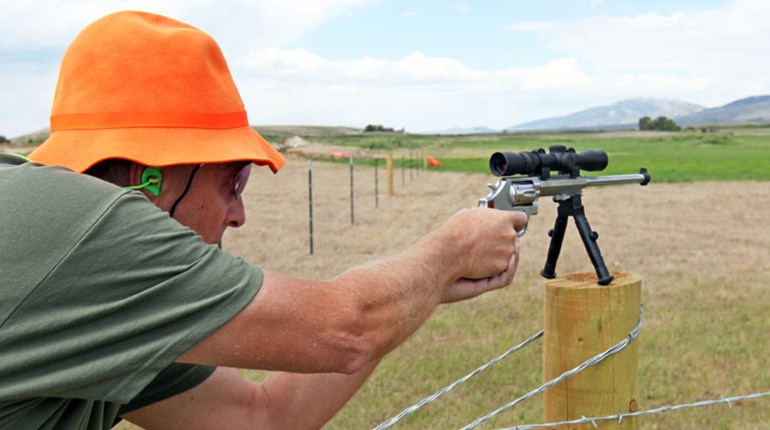
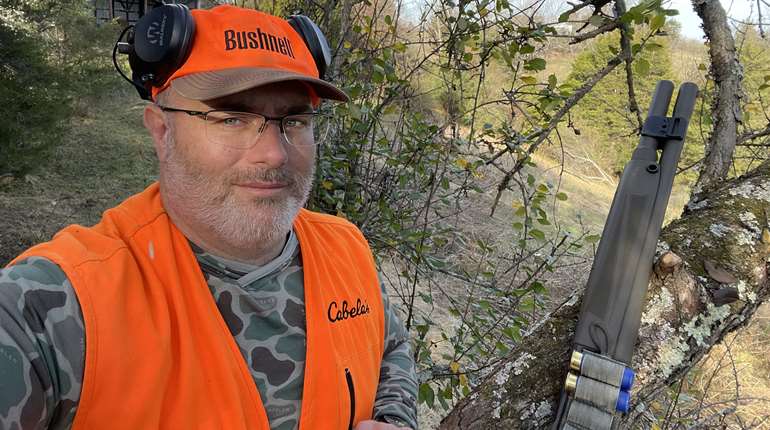
This might sound obvious, but shooting fast and well is often the difference. You need to match your firearm and load to the terrain you’re hunting. If you’re hunting in a densely wooded area, a shotgun loaded with No. 4 buckshot or BBs is a good choice. A modern sporting rifle is a great choice wherever you hunt. A bolt-action rifle is a solid choice where you can see 100 or more yards—if you’re just getting started, you can use your deer rifle. But whatever your gun choices are, practice shooting off sticks, a bipod or however you’ll shoot until you can shoot fast and accurately.
Les Johnson, host of the TV show “Predator Quest,” whose calling awards would fill this page, once told me, “When a coyote shows, you need to take the first shot you’re capable of making. When a coyote sees something it doesn’t like—or doesn’t see something it thinks it should see—it’ll disappear into brush or a ditch.”
After a coyote-calling contest in Wyoming—a contest Les Johnson won—I asked the local Wildlife Services’ trapper, a man whose job was hunting down stock-killing coyotes, if all the coyotes killed by the 100-plus teams of callers would make his job easier. “No,” he growled, “harder. Most of those guys should be called coyote teachers, not coyote hunters.”Be a coyote hunter.