The Question: Will Dryfiring Your Rimfire Damage It?
"Never dry-fire a rimfire," my father commanded. "It will wear out the firing pin, and then I will wear you out." Since then I've tested many theories, but never that one. (Perhaps I'm not as mad as I look!)
Logically it makes sense: Since a rimfire's firing pin strikes the steel breechface when dry-fired (rather than striking air like a centerfire or the soft brass of a cartridge), the firing pin or chamber rim could wear down. Many shooters believe this, but few can produce evidence of damage because most are afraid to dry-fire their beloved rimfires. Furthermore, manufacturer statements about dry-firing conflict because different brands of guns are made in different ways.
So I want to know:
1. Will dry-firing damage rimfire guns?
2. If so, is the damage cosmetic and/or functional?
3. If so, how many dry-fires will hurt a gun?
4. If so, will all rimfires be damaged in the same way?
The Test:
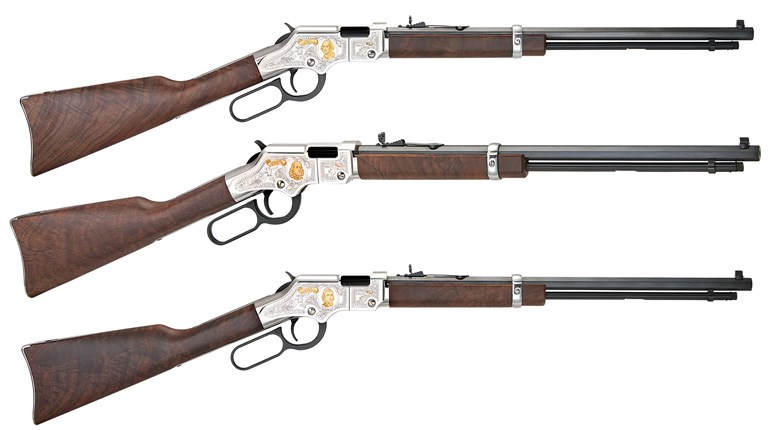
Using two new test guns, a Henry pump-action .22 rifle and a Browning Buck Mark II .22 pistol, I inspected each guns' firing pin and chamber under a microscope. I recorded the surfaces of each via photography. Next I fired each gun 500 times, counting misfires and malfunctions. I inspected the chambers and firing pins for visible damage. Next I dry-fired each gun 500 times, and inspected. Then, I dry-fired each gun another 500 times for a total of 1,000 dry-fires each, and inspected. Finally, the guns were fired 500 additional times apiece, noting misfires and malfunctions. Then I compared all data.
Conclusions
In comparison photos ofbefore-and-after 1,000 dry-fires of the Henry's chamber, slight marring of the breechface/barrel sleeve (where the firing pin strikes when dry-fired) was evident. The Browning's chamber showed no marring from the firing pin, but showed slight wear from the extractor repeatedly striking the rim of the extractor slot. Neither gun's firing pin exhibited visible damage. Indentations on fired cartridges from both guns were identical before and after dry-firing, indicating no functional damage. The Henry had two misfires out of 500 shots before dry-firing, and one misfire out of 500 shots after dry-firing. The Browning had no misfires before or after dry-firing; thus, I conclude no functional damage was incurred on either gun after dry-firing 1,000 times.
However, because slight wear was identified after 1,000 dry-fires on both guns, it can be assumed that more dry-fires would cause additional wear that could eventually hamper functionality.
The Answer:
1. My dad was right ... but not absolutely: Dry-firing a rimfire many times can damage it, but if done occasionally it probably will not. So don't freak out if someone dryfires your new pistol a couple of times.
2. Over the course of 1,000 dry-fires, slight cosmetic damage is likely to occur.
3. Like actual firing, it is impossible to know exactly how many dry-firings will cause damage.
4. If damage occurs at all, it will likely occur differently and to varying degrees in different models of rimfires because they are manufactured with some having safegaurds for dry-firing.
What Manufacturers Say:
■ Anschutz does not recommend dry-firing its rimfires. It says frequent dry-firers should install its special firing pin. The company alsonotes that on most guns other parts, like springs, usually wear out before firing pins; the majority of its guns returned for damage from dry-firing come via Chinese and Japanese competitors, as these countries are known for dry-firing because places to actually fire a gun there are rare.
■ Ruger says dry-firing the company's 10/22 rifle will not damage it.
■ Henry Repeating Arms says shooters can dry-fire its guns all they want.
■ Smith & Wesson says dry-firing can damage rimfires.
■ Browning confirms dry-firing won't damage firing pins or chambers of its newer guns. (Rest assured, my Buck Mark is still under warranty, anyway!)
If your father's gun is long past its warranty, never fear: Brownells sells a ".22 Chamber Ironing Tool" that's used only for smoothing nicks in the chambers of rimfires caused by dry-firing. Since 1994 they have sold 2,645 of them!