Steven Rinella’s revelation of his preferred game meats made me hungry at first, then inspired me to think about my own favorites. In no way am I suggesting there’s anything screwy with his list—especially the tempting recipes—or that mine is somehow better. Clearly, this is a matter of taste and there’s no accounting for that. Anyhow, here’s my delectable half-dozen, most of which, quite literally, I will never be able to eat nearly often enough.
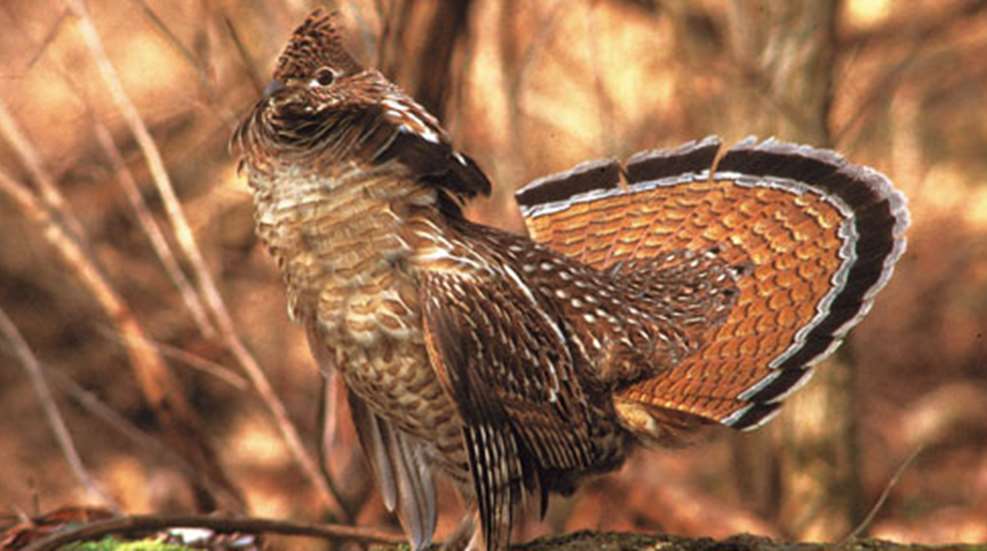
Ruffed Grouse—Talk about your all-white-meat poultry! The delicate breast meat will often present an herbal hint corresponding with what the mysterious 1½-pound uplanders are eating at the time. Where and when I hunt them (mid-Appalachians, December/January) that normally includes wintergreen, wild grape and laurel leaves. There is virtually no fat on a late-season ruff, so one must take care not to commit the crime of overcooking. A hot (450-degree) oven in covered glassware for 10 minutes should do, and don’t get saucey—their wonderfully subtle taste begs simplicity. Unlike better-known upland cousins, ruffed grouse are near-impossible to pen raise, and so their meat can’t be found in stores. You have to earn it the hard way—walking miles in spiny winter woods and then hitting these explosive flyers on the wing—plenty hard indeed. I like to pair mine with a steaming cauliflower-potato-cheddar casserole and a Mexican beer so light and cold I can barely taste it.
Musk-Ox—On my one and only musk-ox hunt we were allowed to take 10 kilos (about 22 pounds) of meat; the rest went to the local First Nations corporation on whose land we were hunting. Because of the long journey juggling duffels and a gun case, I figured that would be plenty, worth sampling, sure, but … pretty musky tablefare. By the time I got home, all 10 kilos had thawed, and so I called a weekend of impromptu tasting parties and figured the leftovers would go into barbecue or taco filling. Wrong. Upon unwrapping the first piece, I could see it was marbled like high-dollar beef. Still, I grilled it carefully, medium-rare like venison backstrap, and it was every bit as satisfying as high-dollar beef, yet different. But not a bit musky. There were no leftovers. My friend Craig Hill from Galena, Alaska, lucked out in his state’s very limited tag draw and will get to hunt musk-ox later this year, so I’m scheming a visit. If so, I’ll recommend he serves it with comfort-food sides like mashed potatoes, glazed carrots, rolls and maybe a Bordeaux or other full-bodied wine.
Oryx—Because I had dined on oryx (gemsbok) in southern Africa, where several folks proclaimed it the best or among the best-eating African game, the striking, spike-horned trophy was a second priority when I pulled a tag for New Mexico’s White Sands Missile Range. Like our pronghorn, oryx meat is lighter pink and more finely textured than venison, and it offers a mild flavor akin to lamb but minus the aftertaste. Clearly my fellow hunters on WMSR were also aware of their gastronomic windfall, because two processors with refrigerated vans parked just outside the main gate were doing a booming business. I spent a few hundred dollars to have mine processed, and ended up with nearly 150 pounds of superb steaks, roasts, backstraps and burger. Sadly it’s all gone now, and though the WMSR tag is once-in-a-lifetime, the transplanted African antelope roams elsewhere in New Mexico and Texas. Recently I also learned first-hand that the handsome scimitar-horned oryx found on numerous Texas ranches produces a similar meat. If you are ever so lucky, be decadent with the tenderloins—sauté one-inch medallions lightly in butter and whip up a brown sauce with mushrooms. Uhhhh. Drink with whatever you fancy, but iced tea worked for me.
Little Ducks—Mallards are king in waterfowling culture, at least partly because hunters favor them on the table. They are fine, but man, have the greenhead elite never tasted teal or wood duck? I much prefer the bantam puddlers’ not-a-hint-of-liver flavor. Even so, the meat is dark, rich and hearty. Because of their size, you will need to shoot a bunch to feed a family, especially the teeny bluewings, and so perhaps they should be reserved as a special appetizer. Marinated little ducks can be quick-broiled or grilled, but don’t keep them on the fire a minute too long. After we got done with the big stuff on my first African safari in Botswana’s Okavango Delta, we shot a mess of birds including a few Hottentot’s teal, the world’s smallest duck, barely big as a pigeon but markedly sweeter on the palate. The camp chef cooked them over an open fire basted with beer and Marmite (a tarry British eccentricity spread on bread), and it was memorable.
Cottontail Rabbit—Put me in the Fudd camp when it comes to small-game obsession. I have eaten many rabbits and squirrels—but way more rabbits because they taste so much better and are easier to skin. The pale, sweet, slightly gamey flesh can be enjoyed so many ways—fried, roasted, stewed, and in casseroles. Nowadays I usually bone it out, flour and brown the resulting hunks of meat, then slow-cook in a white wine and mustard sauce. Even better is my version of a nostalgic happy meal circa 1967—pan-fried rabbit, French fries, homemade apple sauce and a glass of chocolate milk.
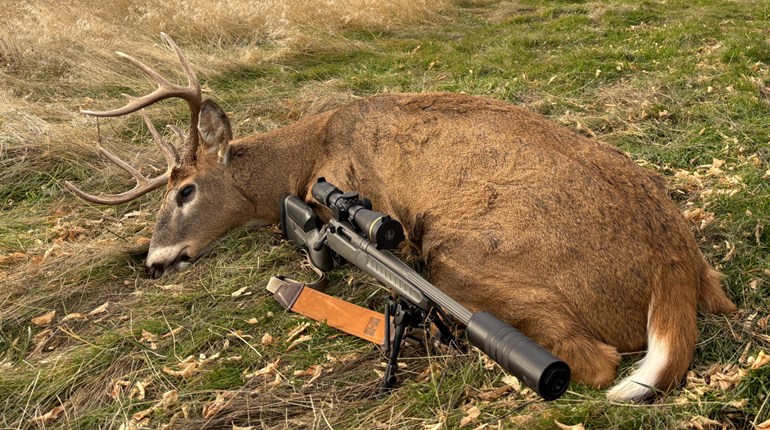
Venison—This food stuff is as close to a staple as we have at my house, but it comes with a major caveat. I’m convinced that meat from just about any member of the deer family can be very good or downright rank depending on several factors, including the animal’s age and diet, and more importantly, how it was handled in field-dressing, cooling and butchering. You definitely want to keep bone grit off the meat, and removing fat and connecting tissue before freezing makes a huge difference. Variously I have heard testimony that elk, moose, whitetail, pre-rut caribou, sika and, most recently, axis venison is the very best. (Everything but mule deer.) I’ve yet to try axis deer, but have enjoyed great meals from all the rest, even my last muley buck from the Colorado high-country. The best bet for beginners is to get a couple easy-to-follow game cookbooks and try out appealing recipes. In the meantime, practically anyone can grill killer venison steaks marinated in Italian dressing, Worcestershire or soy sauce and whatever else is cluttering up your refrigerator.