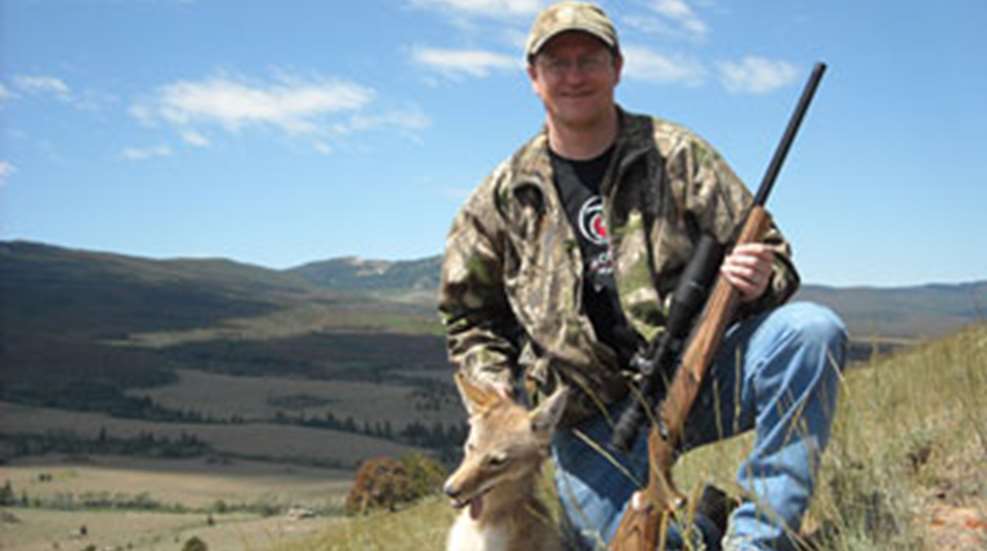
Coyote Hunting: Who's To Blame

by
posted on January 14, 2010
** When you buy products through the links on our site, we may earn a commission that supports NRA's mission to protect, preserve and defend the Second Amendment. **
2010114154555-wyoming-prairie-dog_ms.jpg

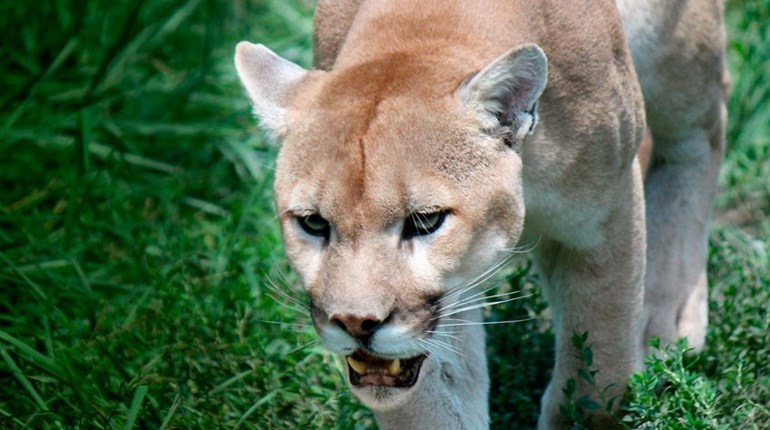
The Summary: Reno, Nev. KOLO reporter Christina Pascucci explored the coyote depredation/control issue. She reported on her discovery that although anti-hunting organizations want state game departments to regulate the hunting of coyotes, state game departments themselves kill nearly 400,000 coyotes each year. In the end, the reader gets the sense that Pascucci is somewhat confused by the issue, and judging by the story’s title, is looking for someone to blame for this perceived problem.

Jeff’s Take: While I appreciate a non-biased story, I am amused by Pascussi’s naivety. Like most human/animal conflicts there is nothing worthwhile to blame unless one wishes to blame nature itself. And that doesn’t do any good.

We could blame the coyote for trying to eat. If that doesn’t seem just, neither will blaming ranchers for trying to do the same. We could blame the state departments for not controlling hunters, or the mange for not managing coyotes “naturally.” We could blame anti-hunting groups, who refuse to believe that population control via hunting is in fact the only financially viable method, or we could blame sheep and calves for being such easy prey. We could blame our consciences or humankind altogether like so many of the greenies. But blame doesn’t solve any problems, and frankly the “problem” is not too concerning for hunters, furry or human. Coyotes will be coyotes, lambs will be lambs, hunters will hunt and life will go on. It’s been established that humans cannot eradicate coyotes without also eradicating themselves.

So instead of pointing fingers, why not say thank you, dear coyotes, for keeping rabbit populations at bay, and thank you, hunters and game departments for keeping coyote populations in check—and therefore game animal populations sustainable. And to the anti-hunters who feel guilty for being atop of a food chain they wished didn’t exist—thanks for nothing.

The AntiQuote: “The Department of Wildlife will say they have no control over [the sport hunting of coyotes]. I think citizens like myself would feel a lot better if there was some sort of control. I guess they're the logical place to start,” says [Trish] Swain.

Recommended Gear:
T/C Icon Precision Hunter;
Nikon Coyote Special scope;
Predator Quest Ruffidawg call;
Mossy Oak Brush camo.

Latest

LEDENRA YES Logo
LEDENRA YES Logo

NRA Announces 2026 Y.E.S. Grand Scholarship Recipients

The National Rifle Association has awarded $15,000 in college scholarships to attendees of the 2025 NRA Youth Education Summit (Y.E.S.) through the Y.E.S. Grand Scholarship program.

Recipe: Venison Empanadas

When Brad Fenson makes venison empanadas, the goal is simple. Keep the meat front and center, add enough flavor to complement it, and make a filling that stays juicy without overpowering the wild proteins. The filling is rich, balanced, and built to highlight venison, whether baked or fried.

Proof Research Unveils Shorter Barrels for Elevation 2.0 and MTR 2.0

Proof Research has announced shorter-barrel configurations for the Proof Elevation 2.0 and Elevation MTR 2.0. Both the Proof Elevation 2.0 and Elevation MTR 2.0 in shorter barrel configurations are available in Tactical Flat Dark Earth (TFDE) and the all-new Midnight color, offering shooters greater customization options alongside Proof Research's carbon fiber technology.

Range Review: Midwest Industries Bounty Hunter Revolver Brace

Thanks to Midwest Industries new Revolver Brace, you can easily mount a stabilizing brace to your favorite hunting revolvers. Check out B. Gil Horman's review of this game-changing product.

First Look: Marlin Mad Pig Customs Model 1894

Marlin has introduced its Mad Pig Customs Model 1894, a rifle developed—as its name implies—in collaboration with Mad Pig Customs. Built on Marlin's iconic lever‑action rifle platform, this model delivers modern, factory‑installed features previously found only on custom builds.

Funding Authorized to Conserve Critical Wetland Habitat

The Department of the Interior has announced that $44.79 million in North American Wetlands Conservation Act (NAWCA) funds have been approved by the Migratory Bird Conservation Commission. They will provide the U.S. Fish and Wildlife Service—and its partners—the ability to conserve, restore or enhance 185,203 acres of critical wetland and associated upland habitat for migratory birds across the United States.

Interests


Get the best of American Hunter delivered to your inbox.