Torrential rains and high winds found my wife and I less than optimistic on opening day of turkey season. Still, we hiked into the hills, determined to reach our target spot. We’d been scouting the area for the better part of two months. A trio of toms consistently ran the ridge. We called for over an hour but didn’t hear or see a bird. With winds picking up and rain spinning sideways, we trekked over the ridge, eager to hunt the protected backside. We huddled against the base of a fat Douglas fir tree. It was surprisingly calm. I let out a loud series of hen yelps. The alluring sounds carried across the draw, to an oak-studded hillside. Instantly a tom fired back.
Then the three toms sprinted up the ridge on which we sat.
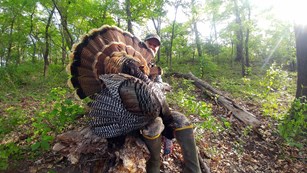
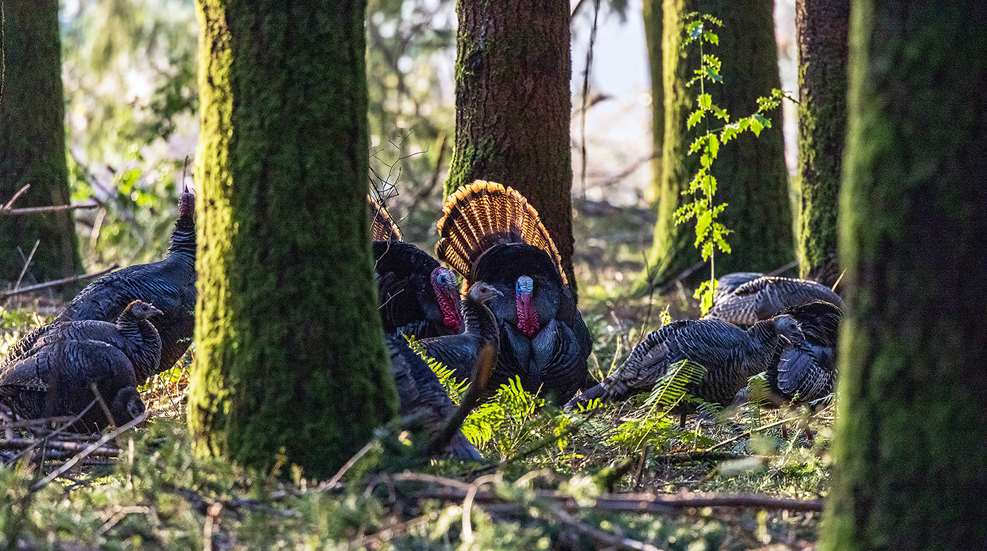
They covered more than 200 yards in short order. Water flew from their armor-like feathers. They paused on the edge of some young fir trees. I called again. All three toms gobbled, then gobbled again at their own voices. Two toms broke into a strut, their lackluster tail feathers partially fanned. The other tom stacked its wings and came on the run. Seconds later my wife filled her tag.
We hiked back to the truck, drove a few miles to another area and ate a sandwich while glassing for birds. Turkeys were hard to find. They were likely tucked tight beneath trees to keep out of the elements. We set out on foot, searching for turkeys. Two hours later, we moved on.
Preseason scouting had turned up multiple toms in another spot, 15 miles to the east. We saw nothing. The rain stopped so we set out on foot. Twenty minutes later we stood atop a ridge. I ripped some aggressive cuts into the protected canyon below. A tom gobbled, followed by two more toms farther up the draw.
We hiked to within 100 yards of the first tom then waited. The bottom of the draw was calm. For the first time that day, blue sky shined between parted clouds. A ray of sunlight sliced through the thick air, lighting up the draw where we sat. A soft series of hen yelps on a diaphragm call got the tom to gobble.
There was no decoy; I prefer that on rainy, windy, stormy days because it keeps toms searching. The tom moved down a deer trail, right into our lap. The tom’s back and wings were dry. The cream-colored tail feathers glowed. The shot was simple. It was 4:30 in the afternoon in the western slopes of the Cascade Range in the Pacific Northwest. It was a good day.
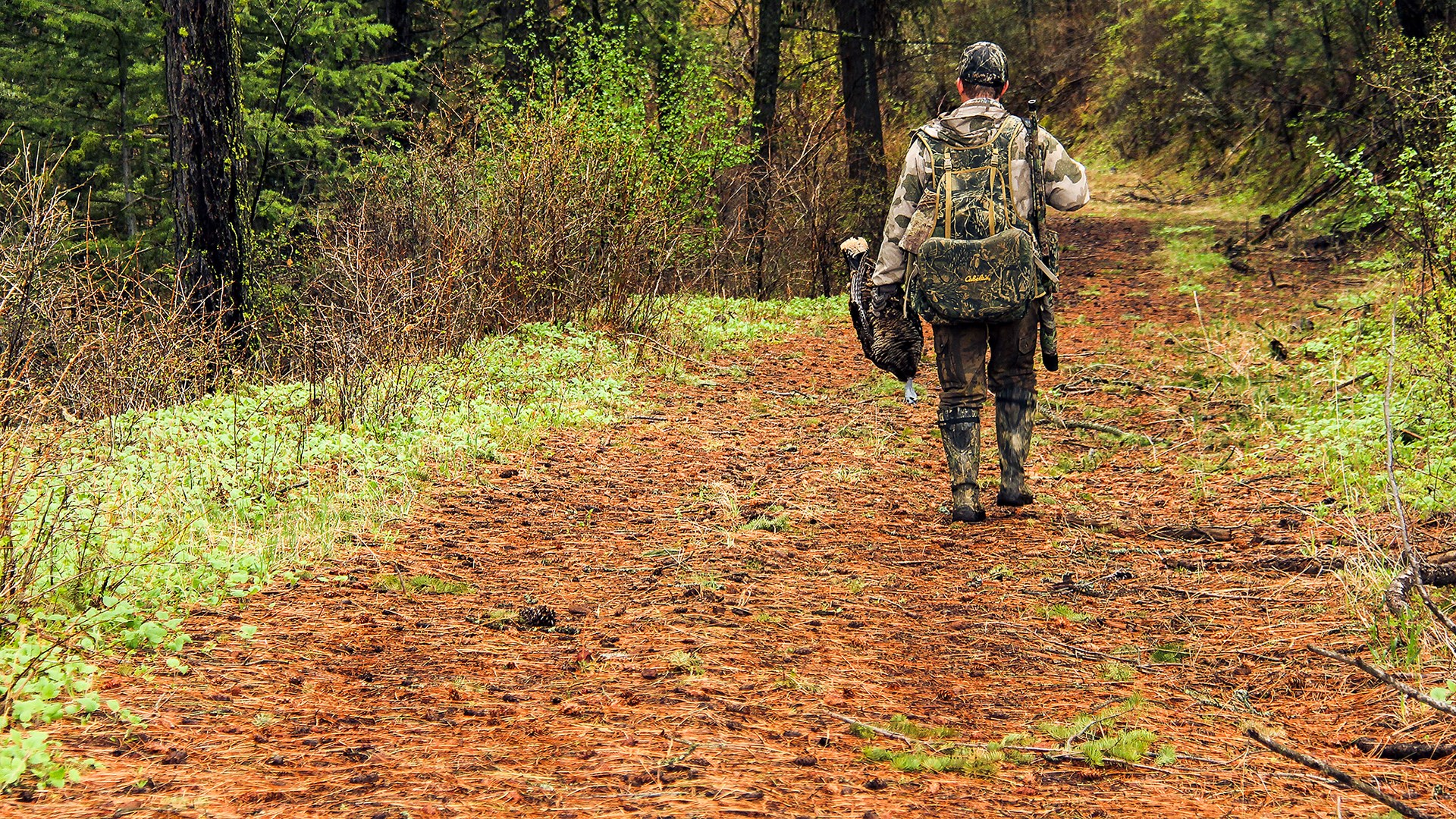
This spring marks my 40th season of turkey hunting the West. Four approaches have played a consistent part in my success.
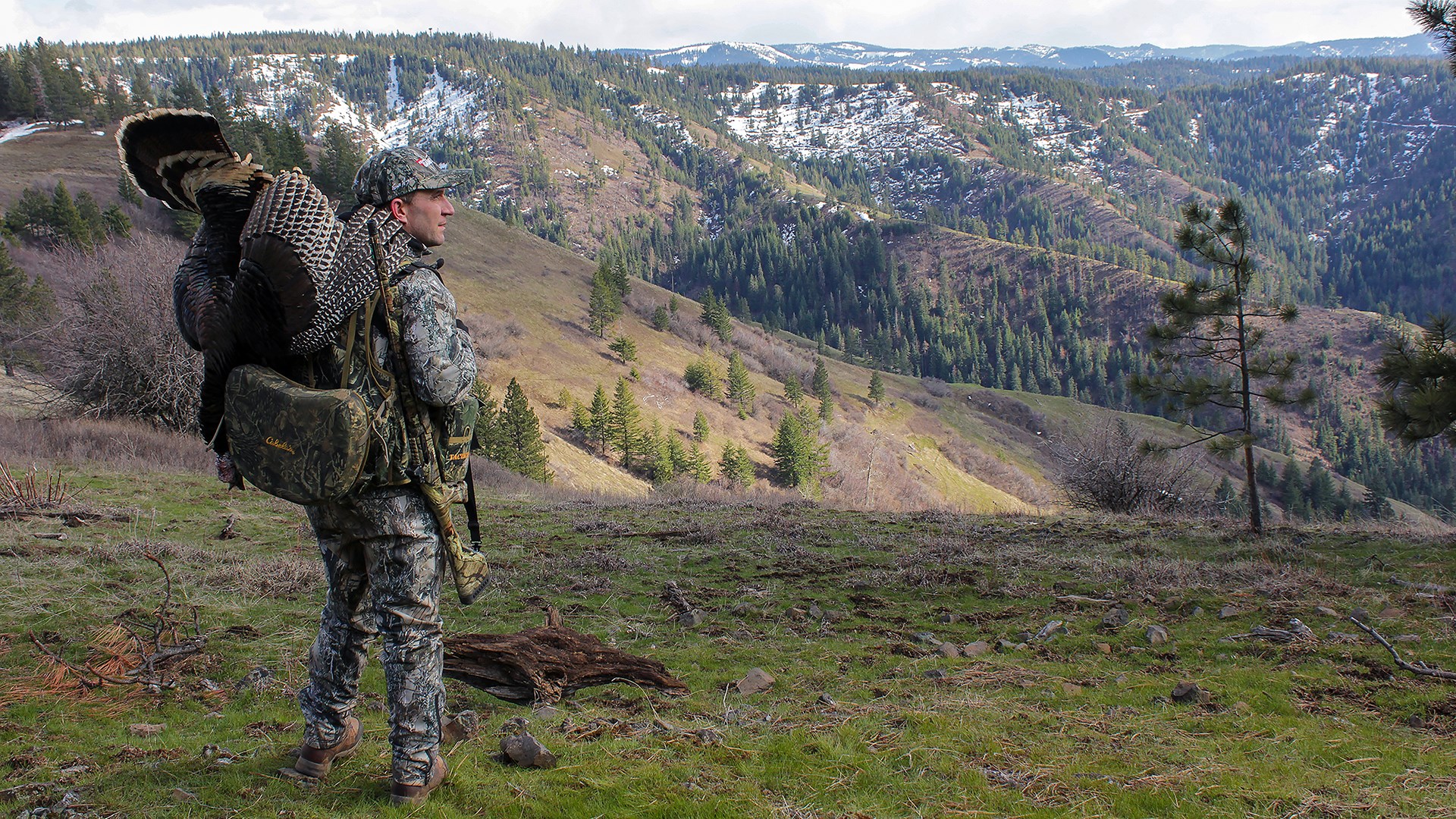
Year-Round Scouting
If you’re serious about taking your turkey hunting to the next level, it begins with dedicated scouting. Once you begin to understand the population dynamics of turkeys in your area, then your eyes are opened to what impacts their daily lives.
Physically scouting twice a week is ideal, but that’s a big time commitment. This is where trail cameras come in handy. In the weeks prior to turkey season I’ll have more than 125 trail cameras set in three states, all targeting turkeys.
I use Moultrie cellular trail cameras and Stealthcam DS4K trail cameras. All are set on video to the longest play-length option. Trail-camera videos reveal sights and sounds still photos can’t capture. What I’ve learned through studying countless hours of trail-camera videos over the decades has greatly opened my eyes to turkey behavior, their movement and their sometimes fluctuating populations.
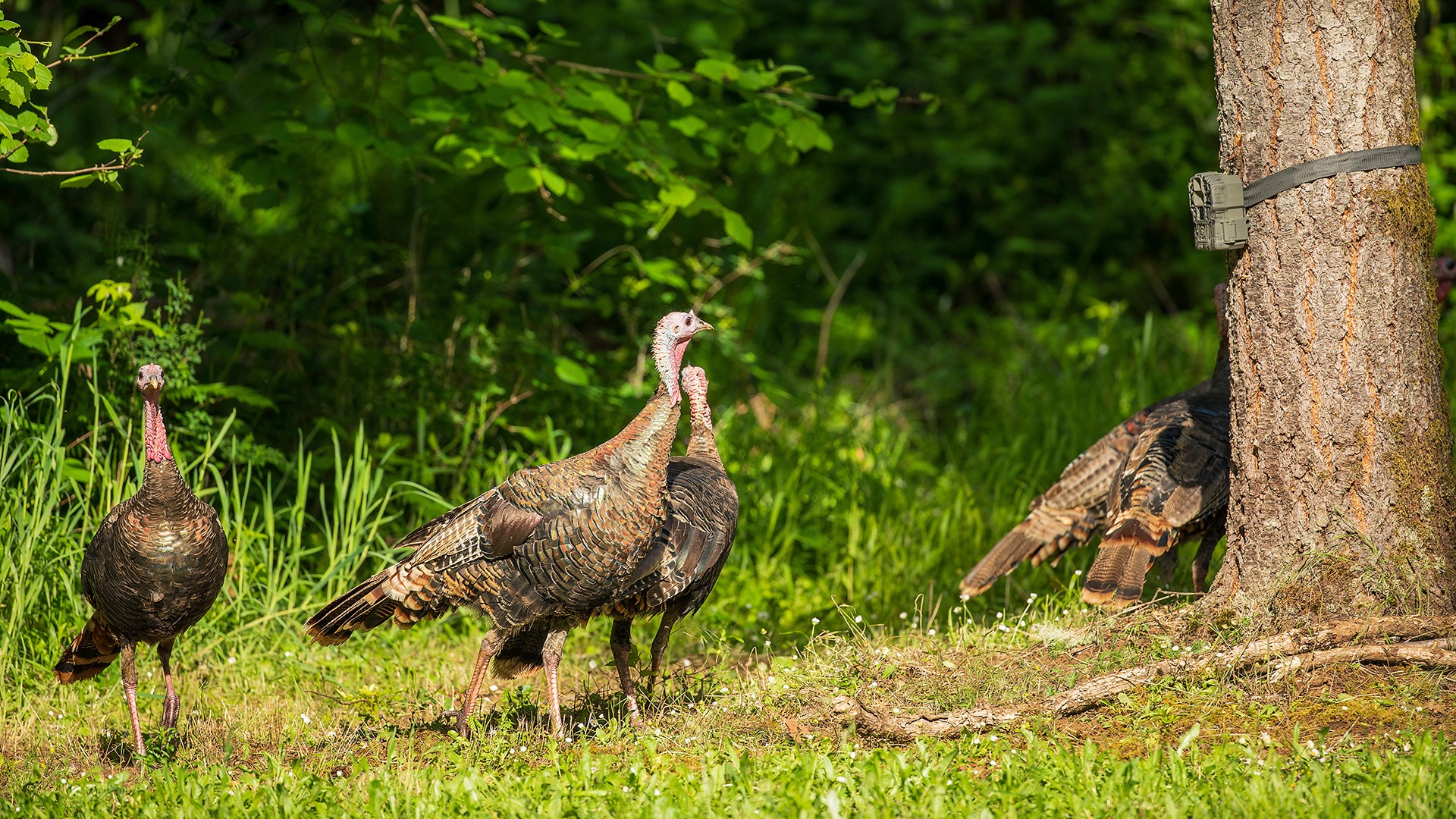
I like running non-cell cameras in the offseason, especially in the three months leading up to spring turkey season. This forces me to get in the woods at least twice a week and pull SD cards. Spending that much time afield, you can’t help but learn every time you’re out there.
As the season nears, I increase the number of cellular trail cameras. This keeps me from having to regularly enter the woods and risk spooking turkeys.
Out West, open ground is a luxury. Scouting is done from afar with a binocular and a spotting scope. The goal isn’t to get close to turkeys, but to figure out hen-to-tom ratios, identify toms, pattern bird movements and keep an eye out for new toms moving into specific places, all without being seen.
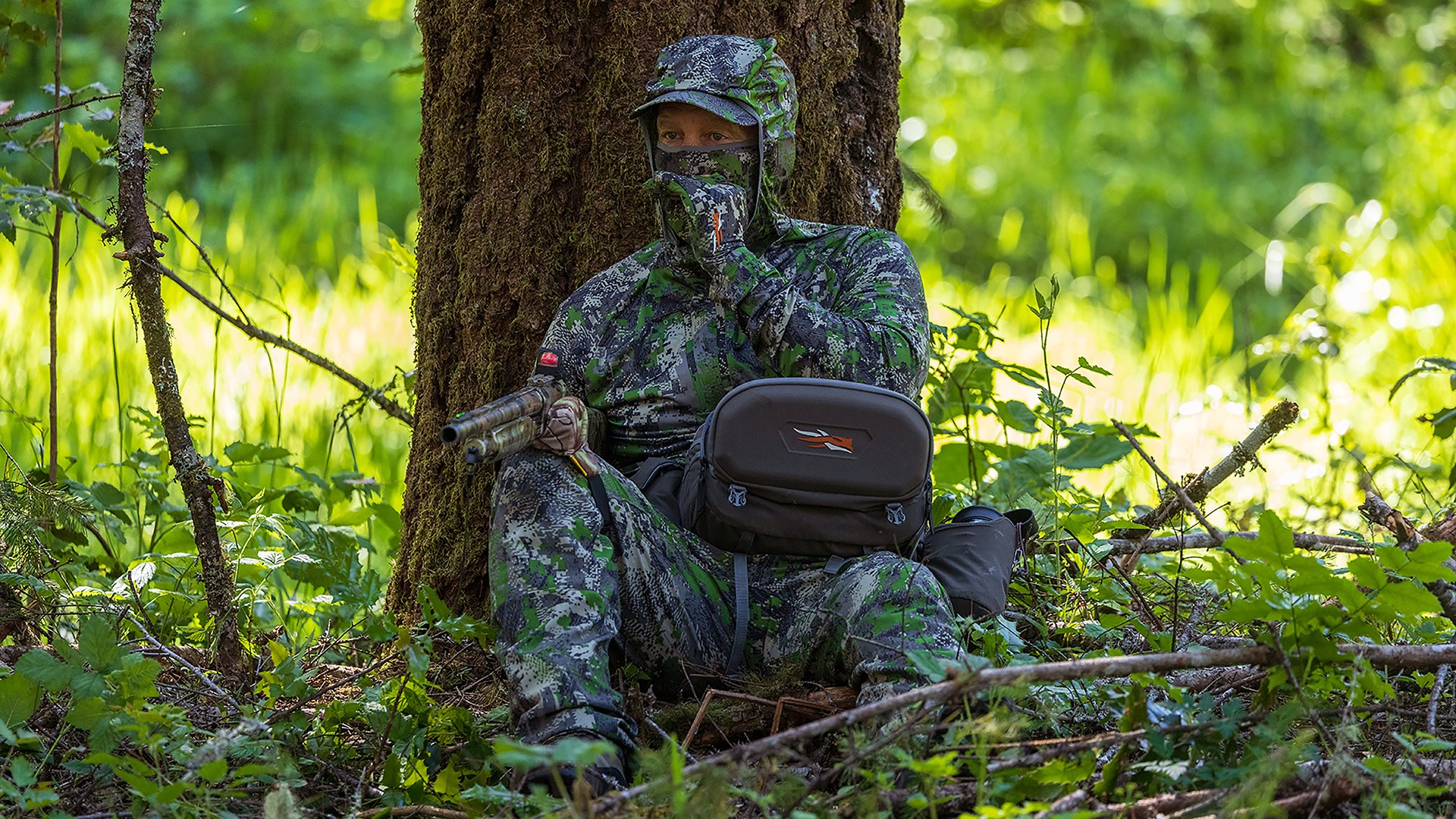
Base Hunts on Bird Behavior
In the early years of turkey hunting I’d scout a few days before the season then go hunting. I concentrated on hunting one place each day. There were two goals: to kill a tom, and not educate birds.
Back then, I’d cover ground slowly. I’d hunt, listen, glass for birds, listen some more and go and make multiple sets. My approach was based on knowing toms were in an area. I didn’t know how many there truly were. I didn’t consider hen numbers, figuring toms were just in their core areas, awaiting the arrival of hens.
Over the past 25 years, my approach has changed. Scouting allows you to monitor nesting success, to know when broods hatch, track poult survival rates, and keep tabs on jake and tom numbers. I’ve become more aware of the roll predators play in turkey populations. I’ve watched ravens terrorize entire turkey populations on a single hillside. One spring eight hens hatched an average of more than 10 chicks. In less than two weeks only four poults remained. Most appeared to be killed by ravens, but bobcats and coyotes also claimed birds. The number of bobcats I capture at night on trail camera, hunting poults in trees, is mind-boggling.
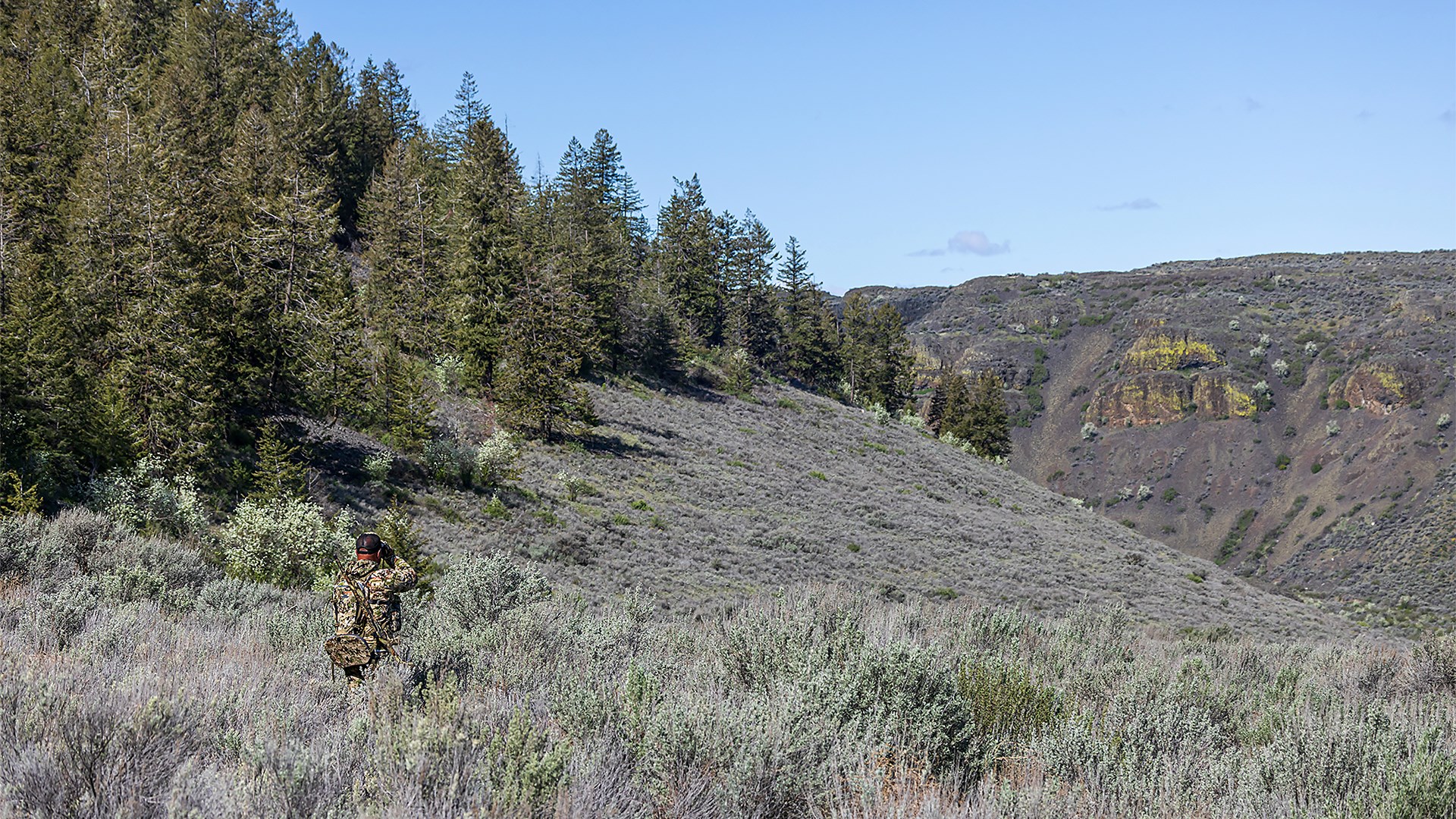
Where predator numbers are high, trapping them can turn around a turkey population in one season. Skunks, raccoons and opossums raid many turkey nests.
After loosing a brood, a hen will usually re-nest. Sometimes a hen will re-nest multiple times through the spring and summer. I’ve seen newborn chicks appear all through September, even into early October. These late hatches can see a high survival rate as long as rains don’t kill them in the first two weeks of life. In turn, late hatches will directly affect where jakes choose to live in the winter months. Large winter brood flocks of different ages can also impact tom numbers and affect their behaviors come spring. Understanding turkey behaviors and populations is key to spring hunting techniques.
In a few places, I’ve watched the same toms for five years. That’s above average, age-wise. Typically, three years is a good run for a tom to rule. One area had seven toms hanging out together for six years, then they all disappeared one spring. I chose not to hunt those toms for the simple fact I wanted to watch and learn from them.
Four years ago a massive wildfire swept through multiple places where I’ve hunted turkeys for more than 25 years. Turkeys moved back in the first spring, but cover and food were sparse. Poult mortality was extremely high due to a lack of cover and increased predation. But enough survived. Two springs ago saw tall grass and an abundance of grasshoppers that emerged early. Poults flourished. Last year turkey numbers were as high as I’d seen in 15 years, and more toms than ever moved in.
Become a student of the turkey woods and your understanding of and appreciation for these birds will hit new heights. It will also shape where, when and how you hunt.
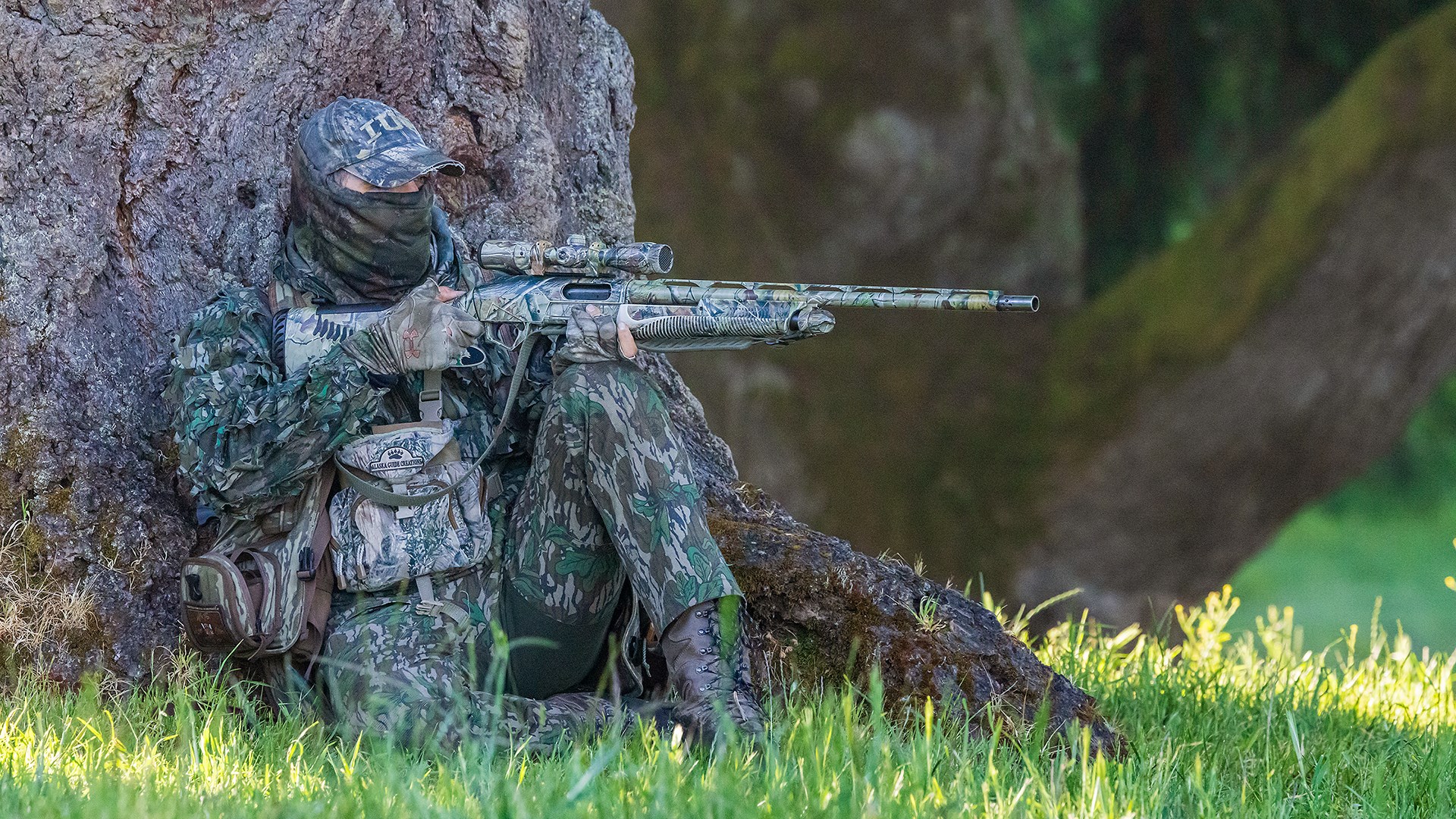
Hunt All Day
Many turkey hunters who travel out West don’t have the luxury of scouting. They usually arrive the day before the opener, scout then start hunting. Because time is short, those who stay afield all day will reap the benefits.
If you don’t kill a bird first thing in the morning, keep hunting. Move slowly and scout as you go. Look for tracks, turkey feathers and droppings of both toms and hens. A tom’s droppings are J-shaped, a hen’s, coiled up. The fringes of a tom’s breast feathers are black, a hen’s, buff. And the track of a mature tom will measure up to 5 inches from the back toe to the tip of the longest, middle toe. A hen’s track will be about 4 inches long, and it’s slender compared to a tom’s. Many turkeys utilize deer and elk trails and travel along creeks and logging roads. Scour these areas for fresh sign.
Bring a binocular for midday scouting sessions. Often you can glass across open canyons and down into sparsely wooded valleys. As with big game, the key to turkey hunting the West often comes down to covering ground with your eyes, not your feet.
If the day is cloudy or cold, the moment the sun breaks out, call to try to elicit a gobble. Even if the window is brief—a minute or two—that’s all it takes to fire-up a tom.
One opening day when hunting a mountain range in the high desert, it was 16 degrees and snowing when I left the truck. The higher I climbed, the harder the wind blew. The first three hours were fruitless. Then the wind laid down and the clouds broke. As soon as the sun touched a nearby hillside, I let out a series of fly-down cackles on a box call. Two toms fired back. I hiked down the ridge, followed an old skid road for a half-mile, set up and called one of the toms into my lap. Timing, and catching a tom in the right mood, is everything when hunting the West.
If it’s cold, windy and raining, toms might not leave the roost until mid-morning, not even to follow a hen. Two seasons ago I hunted on a miserably cold, rainy day. Toms in the area stayed in the trees until nearly 10 a.m. Don’t push these birds, just wait for the window where they become active. It will come, but it can take a while.
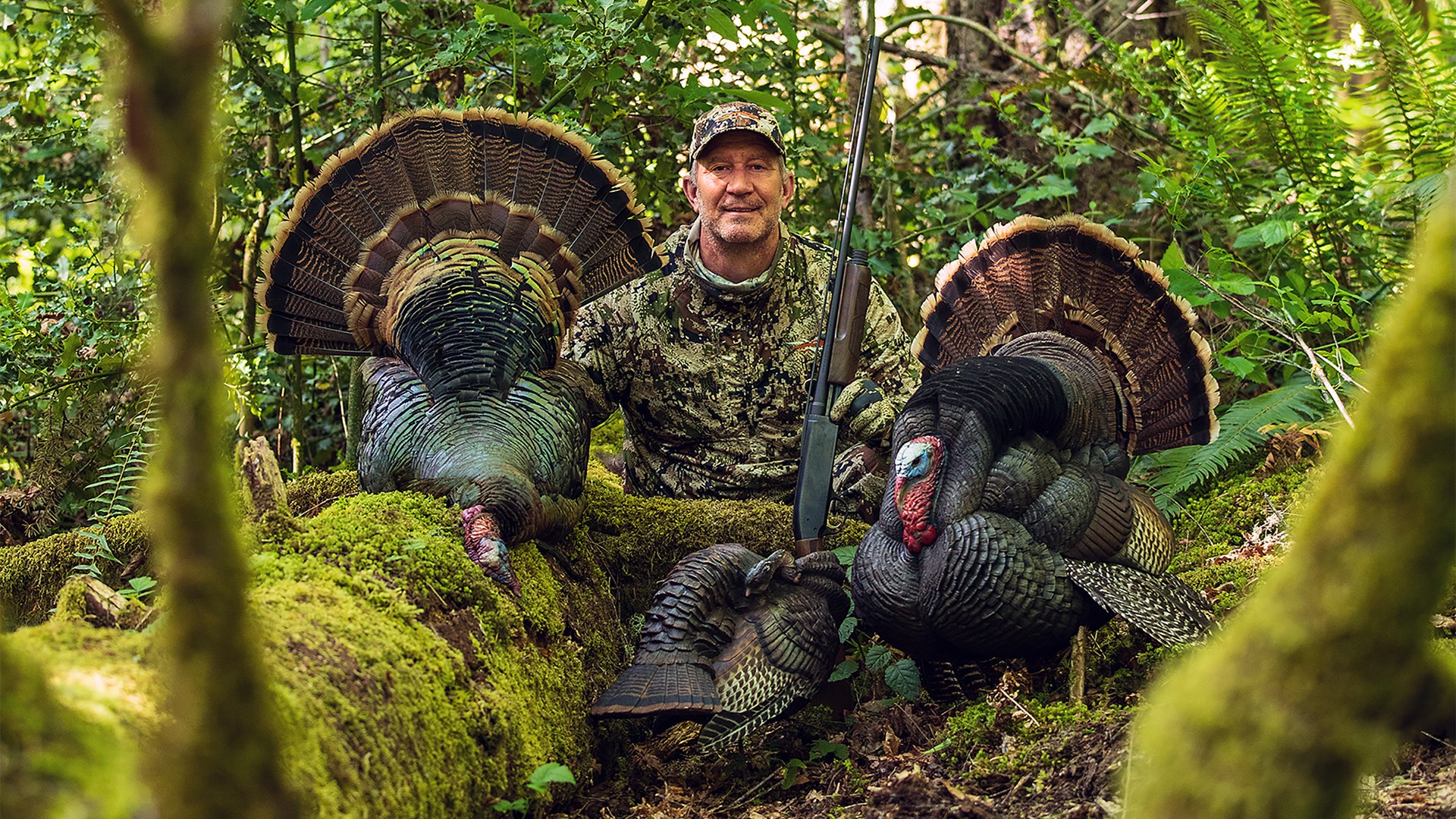
If I bump a tom while hunting the timber, and it sees me, I’ll wait three days before hunting it again. If a tom busts me in an open meadow or field, I’ll hunt that bird the next day if I have to. If a tom spooks and I’m certain I’m not the reason, I’ll try getting back on it within two to three hours.
On a hunt with my wife, we were out all day. It was cold and raining. We spooked two toms early in the morning. They never saw us, just the two decoys they didn’t like. At 5:30 in the afternoon we finally found the toms. That was the first time the rain let up and the dark skies diminished. We set up on the edge of some timber, went without the decoys, called in both birds and doubled. It was a long day but worth it.
As the season progresses, hens are sitting on nests or tending broods. Grasses have come to a head and insects prevail. The last two weeks of turkey hunting the West can be exceptional as toms begin to slip into bachelor mode.
But because toms often fly from their late spring roost directly into tall, grassy meadows, hunting them can be hard in the morning. They have all the food, shade and moisture they need. However, late in the afternoon or early in the evening toms get antsy. They’ll start working their way towards the roost, and sometimes it can take them two hours or more to reach it. This is the perfect scenario to intercept toms on the move.
Scouting will reveal the number of toms, the trails they’re using to reach the roost, and what time they’re moving. Setting up along these trails can be very effective in states that allow hunting into the late afternoon and early evening hours.
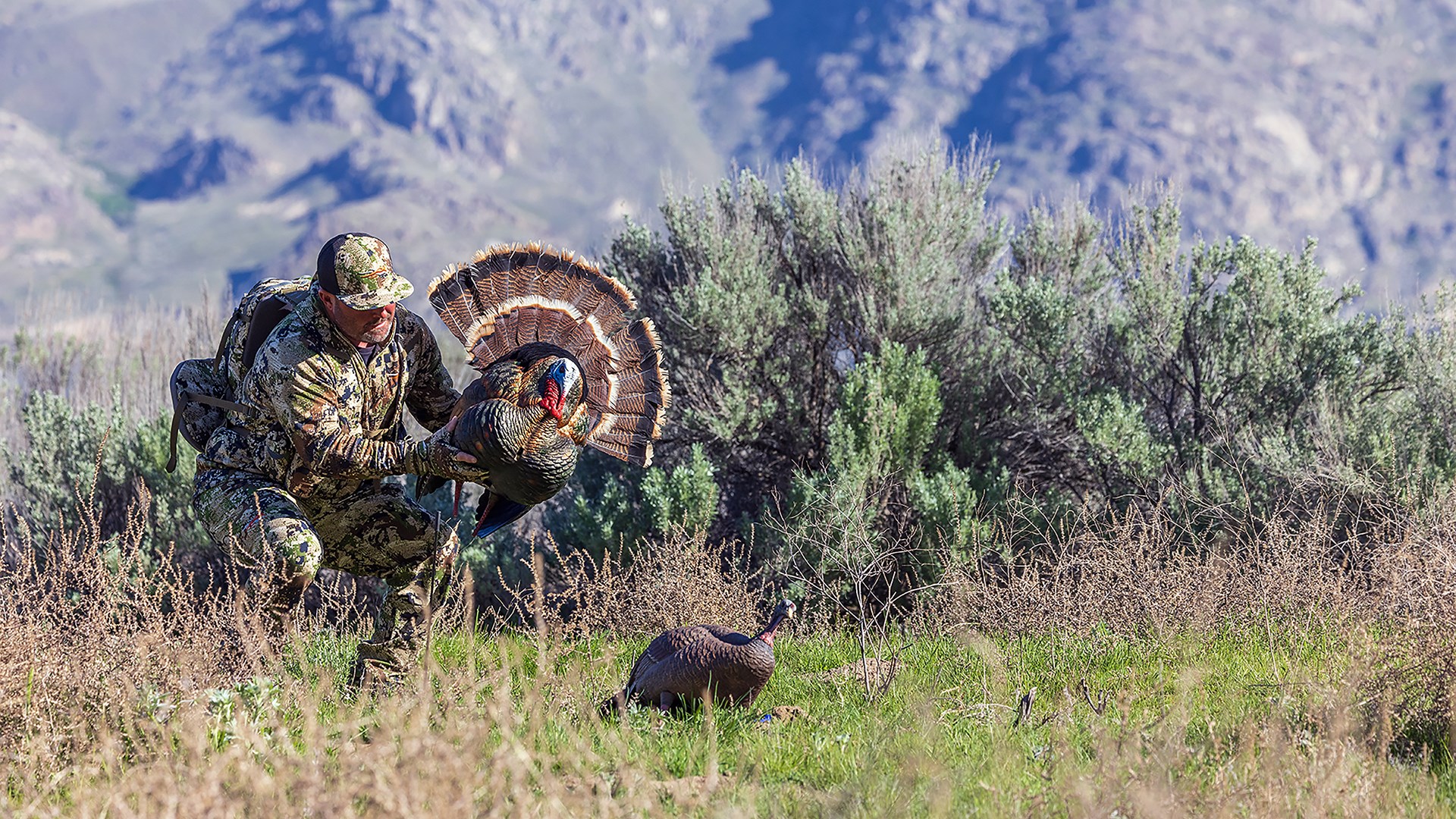
If the habitat is open, a lone hen decoy can help bring in a tom. If multiple toms are moving together (some toms are already forming fall bachelor flocks and establishing pecking orders), setting up a jake and hen decoy, even a strutting tom decoy, can ignite a feeling of competition and bring toms on the run.
If cover is thick and toms won’t see you until they pop into shooting range, go without a decoy. Call light and sparingly. Often these toms heading to roost won’t answer a call, but they’ll slowly move toward it. Going without a decoy eliminates the element of surprise, which I’ve had spook toms, and it keeps them looking for the calling hen as they near, thereby taking their attention off where you’re sitting.
Offer Multiple Sounds
Decades ago I’d take a paper map with me and plot tom locations. Today, I use onX Hunt to help me mark bird locations and keep track of trail cameras. When hunting a new place, even if you’ll only be there a few days, take along some trail cameras. The more you can learn about an area, and the more birds you can find, the more likely you are to return to hunt it in following years—and trail cameras are great scouts.
Western terrain is vast and the distance between toms can be far. Sometimes you can only hunt one or two places a day. In this case, go in prepared. Take a range of calls, plenty of water, food and a binocular, and hunt all day.
I can’t begin to count the number of toms I’ve played cat and mouse with over the decades. It usually happens in places where tom numbers are low, or in new areas I’m unfamiliar with. In either case, I don’t want to leave a bird that’s talking but reluctant to come in, with the hopes of possibly finding another tom elsewhere. Staying with a tom and offering a range of calls can be the key to success, and doing this can take time.
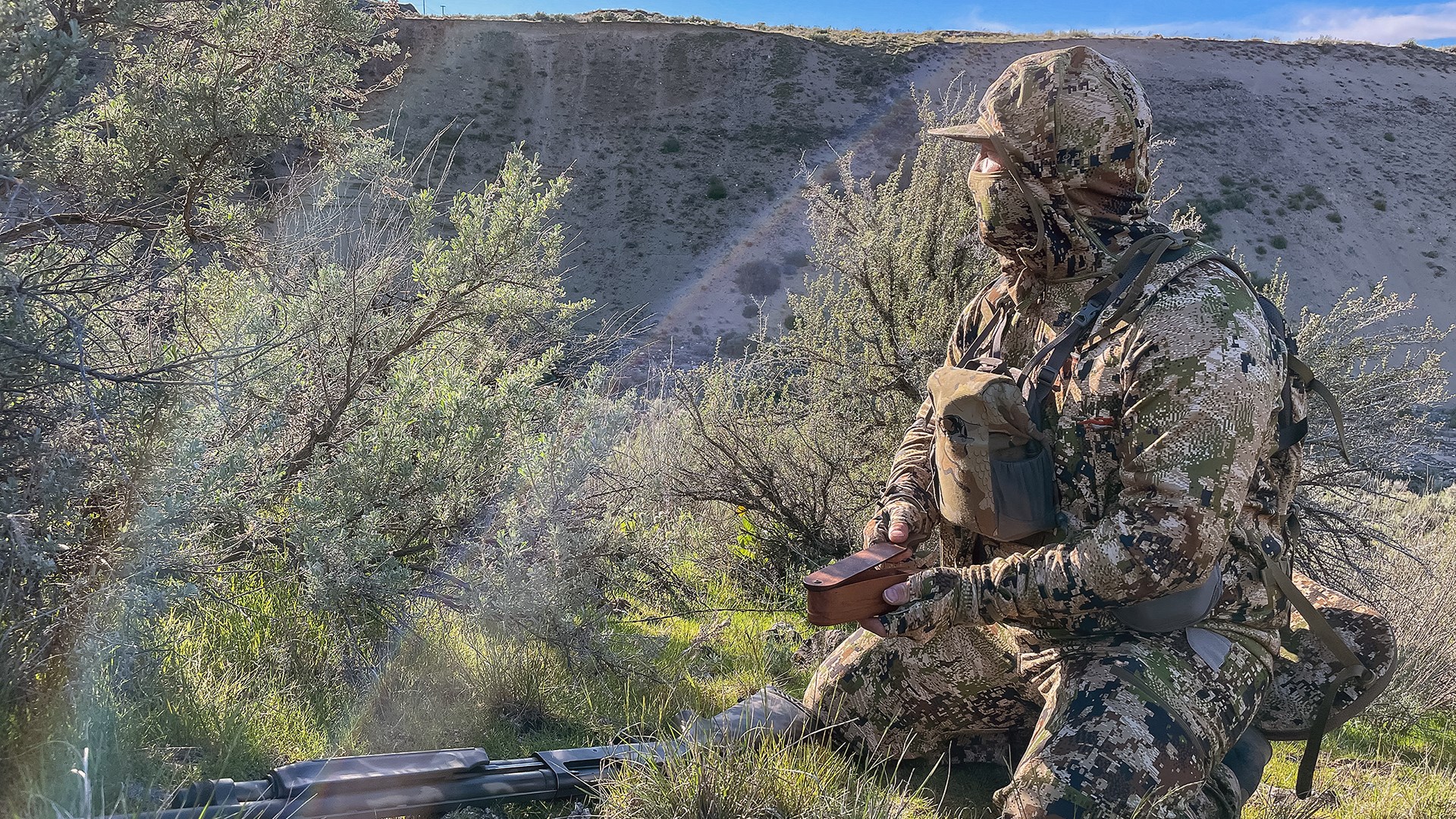
When covering ground on any given day, you’ll find in my turkey vest two box calls, three slate calls and more than a dozen strikers. There will also be more than 20 diaphragm calls.
One box call has a solid boat and allows delicate sounds to be made. The other is large, letting me all but shave splinters in an effort to call loudly and aggressively in order to get a distant gobble. As for the slates, one is glass, one aluminum, the other pure Pennsylvania slate. With a dozen strikers, that equates to 36 unique sounds that can be made, because each striker on each surface creates a different sound.
A big sound selection can result in a mind-boggling range of sounds, and full days afield can be all about sticking with a tom and finding a sound it likes. “If I find a tom and it’s gobbling but not coming in, I’ll go through dozens of sound options before finally getting it to commit,” shares Jody Smith, one of the West’s top turkey guides (jodysmithguideservice.com). Smith guides more than 60 clients a season. “We get most birds within the first two hours, but with multiple clients we’re hunting all day long and shoot a lot of toms between 11 and 3.”
If you’re hunting the West this turkey season, let the birds and the habitat determine the best approach. Dedicate yourself to being afield all day, and don’t rush things. Even after 40 years of chasing these grand birds, I still have a lot to learn, and patience tops the list.
Editor’s Note: For signed copies of Scott Haugen’s popular book, Western Turkey Hunting: Strategies For All Levels, visit scotthaugen.com. Follow his adventures on Instagram and Facebook.