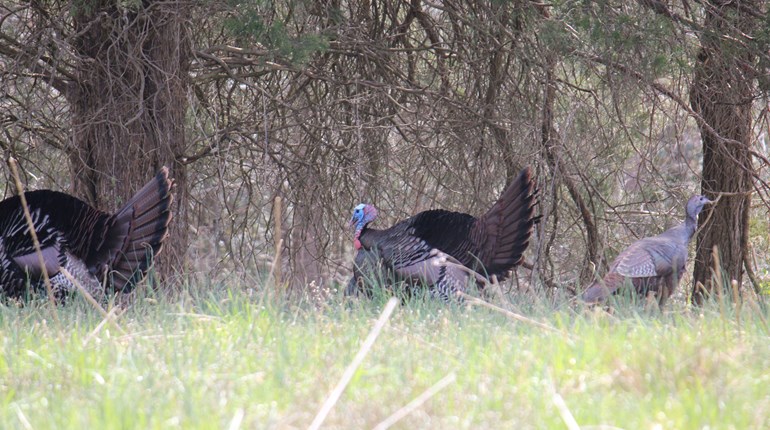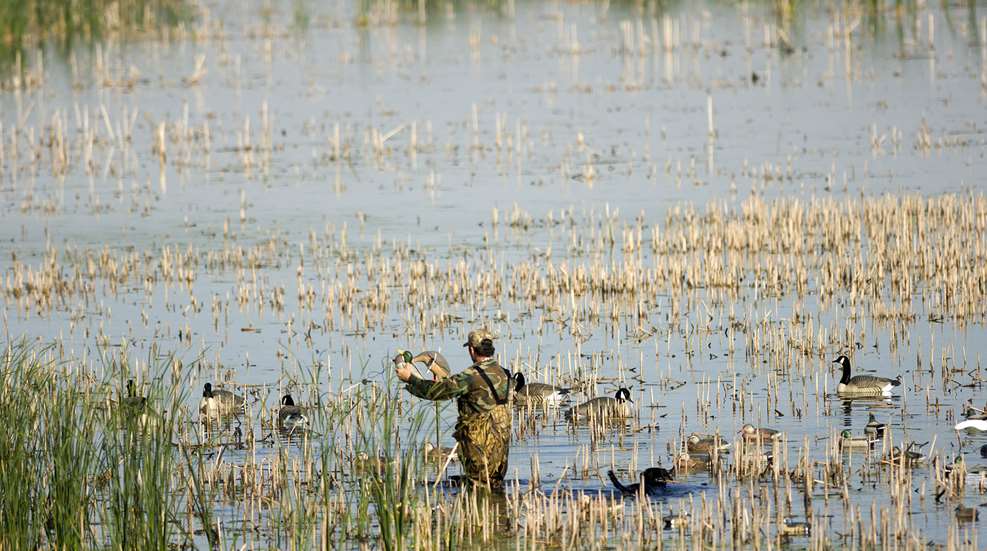
The Michigan Department of Natural Resources (DNR) has issued a reminder for waterfowl hunters that applies throughout the nation. Following a few simple step can protect yourself and domestic animals from highly pathogenic avian influenza (HPAI), which is commonly known as bird flu.
One hundred and thirty wild birds tested positive for HPAI in Michigan before the end of 2025. That figure is already more than 2024’s number. Most detections were in Canada geese, bald eagles and red-tailed hawks. The disease has been found in every Michigan watershed, indicating that it has occurred throughout the state.
HPAI has been detected in surrounding states and other parts of the U.S. Hunters traveling out of state are advised to follow all health and safety precautions, regardless of where they are hunting. Visit the USDA H5N1 Influenza webpage for more information about national detections and response.
“Make sure to take appropriate precautions when field dressing wild birds,” said Dr. Scott Larsen, DNR wildlife veterinarian. “In order to kill the virus, use a food thermometer to ensure that meat is cooked to an internal temperature of 165 degrees Fahrenheit. It’s also important to properly clean and disinfect gear and equipment before coming into contact with domestic birds.”
HPAI is a highly contagious respiratory disease that causes sickness and sometimes death in wild birds and mammals. HPAI infections can occur at any time of the year, but upticks are expected during spring and fall waterfowl migrations. Wild birds can carry it without appearing sick.
Anyone who observes a die-off of six or more wild birds should report it to their state game and fish department immediately.
Precautions
The risk of HPAI infecting people is low, but the virus can spread through direct contact with infected animals or material. Hunters should always take precautions when handling wild birds to avoid contracting or spreading bird flu. They include:
- Do not harvest or handle wild birds that are obviously sick or found dead.
- Process wild birds in the field. Remains from processed birds should be buried on-site or double-bagged and disposed of with household trash.
- Wear rubber or disposable gloves while handling and cleaning wild birds, and wash hands with soap and water or alcohol-based hand cleanser, even if hands are not visibly soiled.
- Do not touch your eyes, nose or mouth when handling wild birds.
- Do not eat, drink or smoke while handling or cleaning wild birds.
- Cook all meat to an internal temperature of 165 degrees Fahrenheit to kill any viruses.
- Thoroughly clean and disinfect all knives, equipment and surfaces that come into contact with wild birds.
- If you have close contact with obviously sick or dead wild birds, or surfaces contaminated by them, monitor for these symptoms for 10 days after your last exposure:
- Fever with temperature over 100-degrees Fahrenheit or chills. Fever may not always be present.
- Sore throat.
- Difficulty breathing or shortness of breath.
- Eye tearing, redness or irritation.
- Runny or stuffy nose.
- Muscle or body aches.
For more information about HPAI and human health, visit the Centers for Disease Control and Prevention webpage for Avian Flu.
Most Popular