Marketing is a powerful tool; in fact, astute advertising across all product lines continually convinces consumers that they need, as Little Caesars comically touts, “the extra most bestest,” or more commonly, the “latest and greatest.” Compound bows are not immune to this. Each year, bowhunters are subjected to unremitting promotional literature touting the newest model, which invariably has some improvement—of combination thereof—over the previous year’s model, such as speed, vibration, weight, dimensions or draw, among other things. This is not to say that the bow companies don’t deliver—they typically do—but it comes at a high cost. This begs the question: Is purchasing the current model year bow the best bet, particularly for the cash-strapped consumer? Probably not.
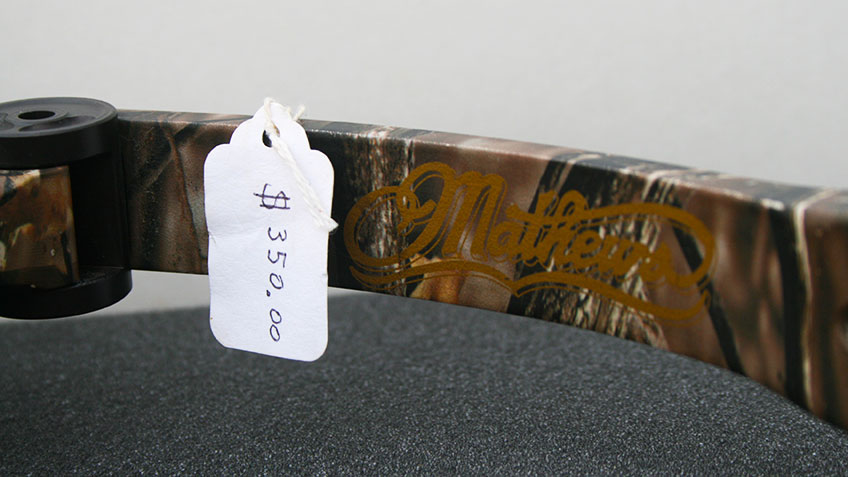
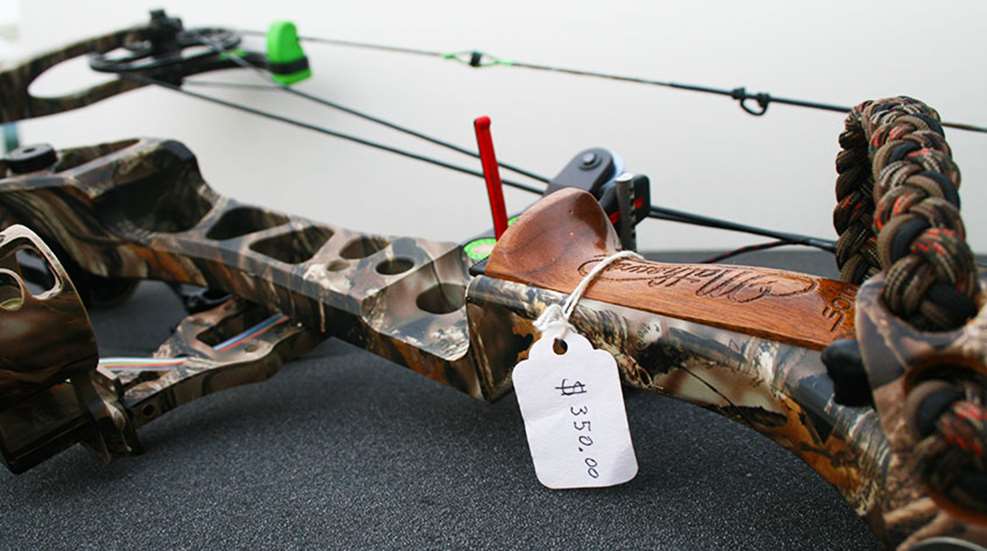
For the ardent hunter whose one-time purchase will be heavily utilized for multiple seasons, it makes sense to invest in a new bow. On the other hand, if you’re incessantly seeking the Holy Grail of bows only to come up short year in and out, or are low in funds, are a weekend woods warrior, or are only beginning to dabble in bow hunting, then secondhand is first choice. Why? New bows commonly exceed the cost of a fine rifle topped with a premium optic, and that’s before accessories are added. And, when you’ve exchanged money at the cash register you’ll be taking a significant hit—especially if it’s not a high-quality, highly desirable brand and model. In fact, few items in the outdoor realm devalue as fast and furiously as a new compound bow.
Hopefully, by now you’re thinking, “Why should I take the financial hit?” You don’t need to take that immense initial loss; let a fellow archer do that. You can get a top-tier product at reduced cost. However, as with automobiles, you don’t want to end up with a lemon; a lemon bow is more than an embarrassment, it’s a safety concern.
To guide you through the process of purchasing a secondhand compound bow, I’ve accumulated tips that I’ve learned through buying and selling said models myself. It’s my hope that they’ll enable you to purchase a cream-of-the-crop bow for a bottom-of-the-barrel price.
Buying Experience
Experience is invaluable. As such, the best scenario has the seller meeting you at a trustworthy bow shop for a trained professional to give the item a once over. Don’t haphazardly show up demanding that he or she inspects a bow; instead, inquire beforehand if he or she offers the service and the associated. Usually bow shops do so and it’s relatively expensive, but it’s money well spent. A motivated seller will agree to meet you there, too. If not, be cautious.
Bow shop technicians will be able to quickly detect abuse and damage, as well as quote pricing for replacement of worn parts. If you’re given the all-clear, you should be good to go on the purchase. I recommend shooting the bow to ensure that you’re comfortable with its draw characteristics. A lot of shops have a small archery range inside or outside their business, plus you’ll have an expert on-hand to set up the bow exactly how you want it.
Be aware that some shops also sell secondhand bows traded in for new models, so don’t restrict your searches to the internet and newspaper classified ads. These are often sacrifices made by one-year owners seeking the newest variant, which is exactly what you’re seeking. And, because the shop has money invested in the bow and has inspected it thoroughly, you can pretty much guarantee that it’s in safe, working order.
Going It Alone
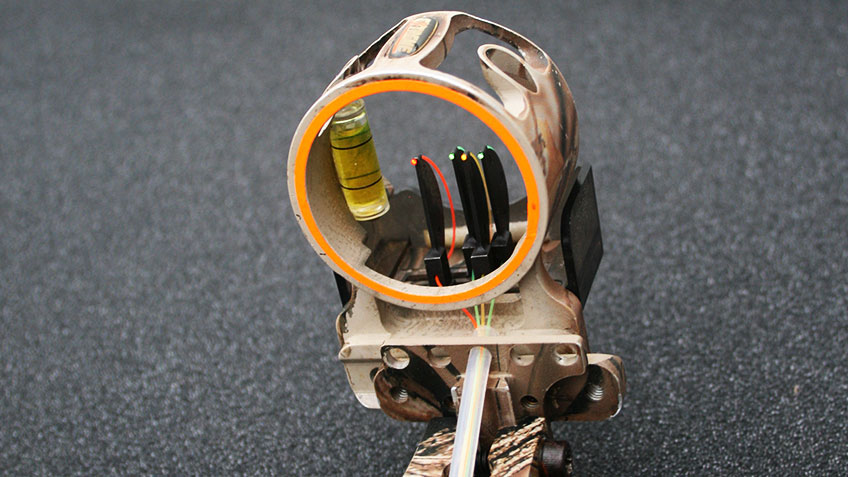
If your seller is unable or unwilling to meet you at a bow shop, or you don’t live close enough to one, you’ll need to carefully inspect the bow to ensure it’s sound. It should go without saying to never purchase a bow sight unseen. Before making arrangements to meet, research the model in question online to see if any obvious flaws or recalls exist. Internet forums will be abuzz if there is. While online, you can also get an idea of the going price of similar used bows; this can give you leverage in striking a deal. Oftentimes you’ll need clout, as the original owners are often in denial at the money they lost by purchasing their bow new.
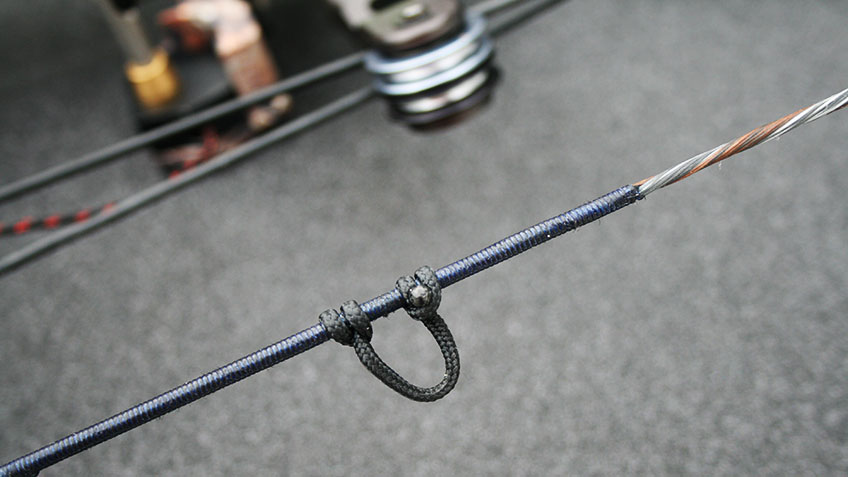
As for the examination, don’t sweat the small stuff—unless that’s important to you. For example, a worn serving (or non-waxed) string is easily remedied. If strands are cut, it’s likely that a broadhead touched it in the process of loading or unloading the bow. Don’t attempt to shoot it with a damaged string. Small scuffs or patches of missing camouflage isn’t as beautiful as a flawless finish but it doesn’t affect performance, and big-game animals couldn’t care less; however, be sure that the entire bow isn’t suffering from such, which is indicative of abuse or neglect.
Similarly, ever-so-slight surface rust on screw heads isn’t a concern; an ardent hunter is going to hunt rain or shine, and that comes with the territory. If you decide to purchase the bow, be sure to use bronze wool to remove the surface rust as best you can and apply a rust preventative; I prefer Ballistol. You might also preemptively inquire with a bow shop about part availability for that particular model; if parts are overly-expensive or difficult to find, look for another bow. Forget the vintage and outdated models; this isn’t nostalgia, it’s hunting.
Next, look at the limbs for visible signs of alteration and/or modification and damage, such as gouges, splinter and cracks. The latter can be indicative of dry firing the bow or shooting it without an arrow; avoid dry-fired bows. It could also indicate that an inexperienced bow shop worker installed an undersized string, or a bow press caused damage. A bright flashlight can help illuminate hard-to-see imperfections.
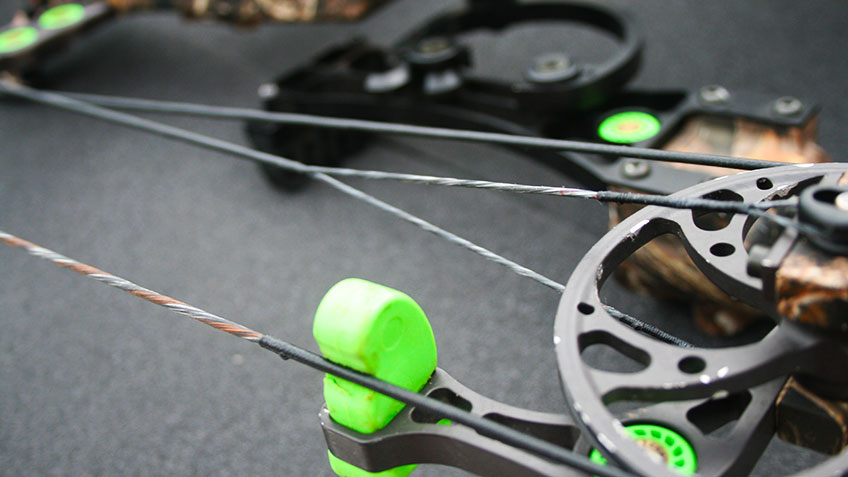
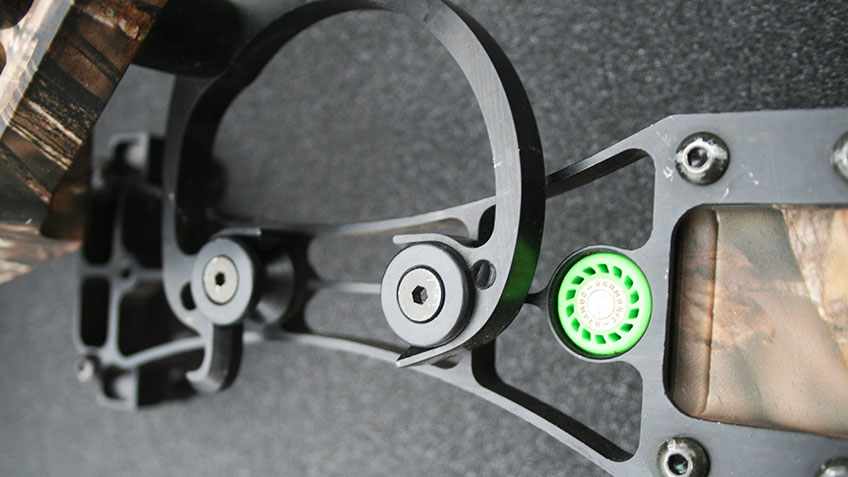
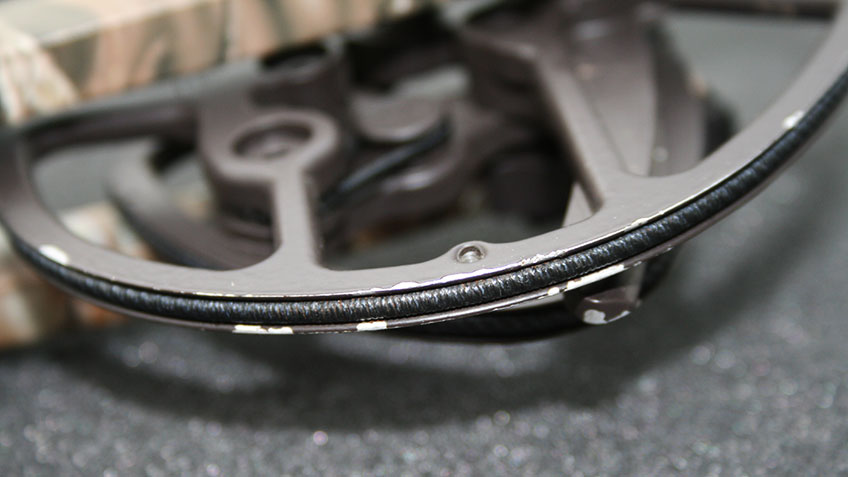
Inspect the wheels or cams to see if there’s visible damage. Chips, bends, sharp edges and cracks are indicative of something being afoul. Ideally, you’ll get to see the bow being drawn. While looking over his or her shoulder, have the individual draw the bow to see if there’s a bent cam/wheel; sometimes this isn’t obvious when looking at it in the at-rest position. Have him or her shoot it if possible, too; listen for strange sounds. Although limbs and cams/wheels can be replaced, the parts and press time add up. Moreover, there’s the element of the bow being abused; you shouldn’t settle for a misused bow. Used bows are a dime a dozen, so shop around.
As I mentioned above, if you can shoot the bow, do so; however, sometimes this isn’t feasible. Only through shooting it will you get a feel for the draw characteristics and know whether or not it “fits” you. Find out how long the owner has had the bow, whether or not the individual is the original owner, how much it has been used, etc. Between its appearance and your conversation, you’ll get a good idea whether or not you should make the purchase.
Lastly, outside of the examination criteria listed above, pay attention to how the bow was stored. If it’s baking in the sun at a flea market, just keep walking. Same thing goes if the seller pulls up in the truck and it’s thrown in the back with a cord of wood or manure for the garden. Pride of ownership is what you want.
Go ahead and create a wish list of the current year models that you’d like to have, and then pull it out in a year or two. By doing so, you’ll get a new-to-you, top-tier bow at significant savings.