“Hell, I was there.” -Elmer Keith
The .44 Magnum is a piece of history that impacts our current day more than we think. Originally a pistol caliber, the .44 Magnum is now cheerfully chambered in rifles and carbines as well. The purpose of this little project is to find the .44 Mag. shaped void in your life, or at the very least, get a better understanding of the importance of the .44 Magnum in todays’ cartridge climate.
Before you stop reading, secure in the knowledge that you either have the set-up that tickles your .44 fancy, or firmly believing you don’t need one, I want you to hear me out. I have a story to tell you.
As a neophyte gunwriter, the lure of the “new” was (and is) somewhat intoxicating. The cutting-edge ballistics. The carboned up everything. The shiny new guns complete with factory fresh sticker goo on the barrels. And, of course, the 50 shades of black polymer, coupled with assorted alloys.
As time went on, the lure was still there, but there was a void. I craved context. I wanted to know how we ended up with specific chamberings. I wanted to understand the ballistic pixie dust that went into making certain calibers and platforms just plain work. I sought understanding of the minds before me when it came to telling the stories of these beautiful cartridges and guns. And I started to dig…
I recently gained access to a private collection rich in both historical oddities and classical beauties. Sitting in the gun room soaking up the smells and textures, I listened for the stories. And that’s how it started—with the desire to sit with a steaming cup of pecan coffee, listening to the whispers of the past coming from the beautiful lever guns, clickity revolvers and classic bolt rifles. The set triggers. The spoon-handle bolt rifles. The weathered engraving. The patinaed lever loops. The bone grips. All of these spoke stories that needed to be told.
So, whether you want, need or already have a .44, I hope you’re still with me. It’s not so much about acquisition, but more about appreciation for that which came before. Come with me as we look at the .44 Magnum and what it means to us as gun lovers today.
The .44 Magnum—Where it Started
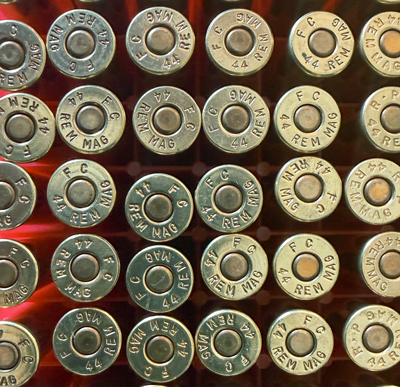
This cartridge, while it has since been surpassed in power and velocity, was an icon of superiority in its time. Beginning as a pistol chambering, it went through many stops and starts to evolve into what we now know as the .44 Magnum.
Before the .44 Magnum came to be, it was pioneered by intrepid handloaders in the form of the .44 Special. Elmer Keith was the most notable of these, and pushed pressures and velocities to impressive levels. As this process went on, it was determined that a dedicated cartridge needed to exist to capitalize on the ballistic potential.
In the 1950s, Keith pled his case to both Remington and Smith & Wesson to develop such a round. With a slightly longer case (0.125-inches over the Special), there was now a safety buffer in place for older and weaker platforms to successfully shoot the new offering.
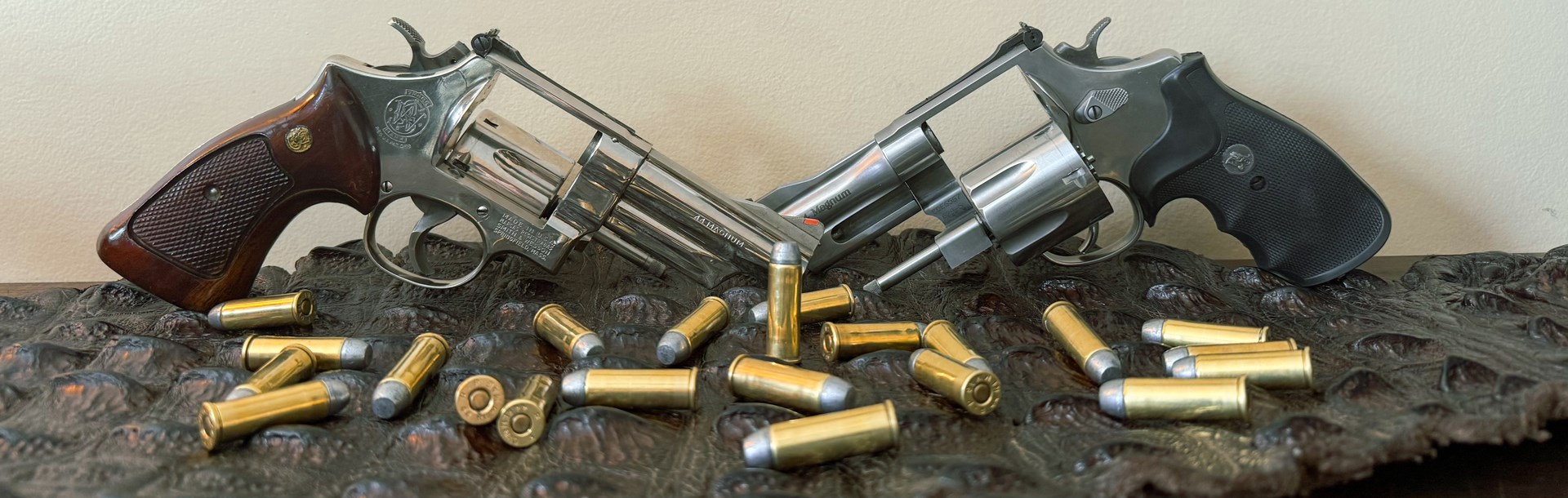
In the mid-50s, the .44 Magnum was officially brought to market. The trifecta was the inspiration of Elmer Keith, the ballistic development and manufacturing by Remington and the firearm by Smith & Wesson. The Model 29 revolver was the foundational offering of the .44 Magnum.
The Revolver Romance
The .44 Magnum as a cartridge was established, but its real bloom in popularity came with the launch of the movie “Dirty Harry.” Smith & Wesson experienced a cataclysmic shift in demand when the Model 29 was showcased as the pinnacle of pistol power. The impact of the film was massive. The Model 29 went from obscurity to obsession following the film’s 1971 release. Today, 55 years later, the Model 29 coupled with the caliber are still generally mentioned in the same breath as famous Clint Eastwood quotes.
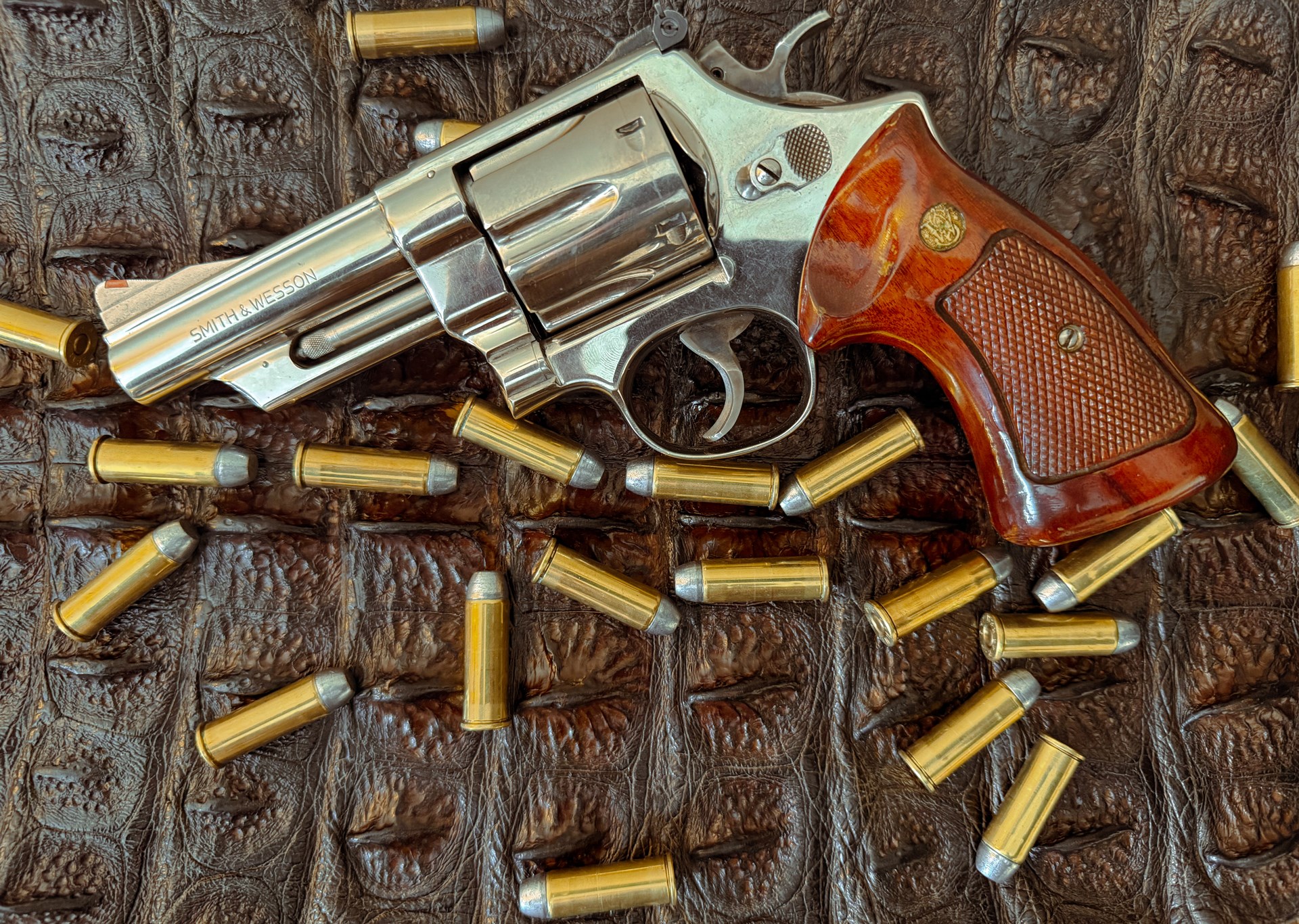
While Smith & Wesson was directly impacted, the longer reaching results were equally interesting. Not only did the Model 29 experience immediate (and intense demand), the infatuation with magnum caliber handguns began to flourish. The American gun buyer now had a new passion.
A few things to note on that. The Model 29 popularized by the film was the 6.5 inch barrel version. Barrel length aside, the caliber/model combination earned the moniker of the “Most Powerful Handgun in the World” as a result of the Dirty Harry films. The link between the .44 Magnum Model 29 and the film was so strong, that it is still known today as the “Dirty Harry Gun.”
Lever Lover’s Lane
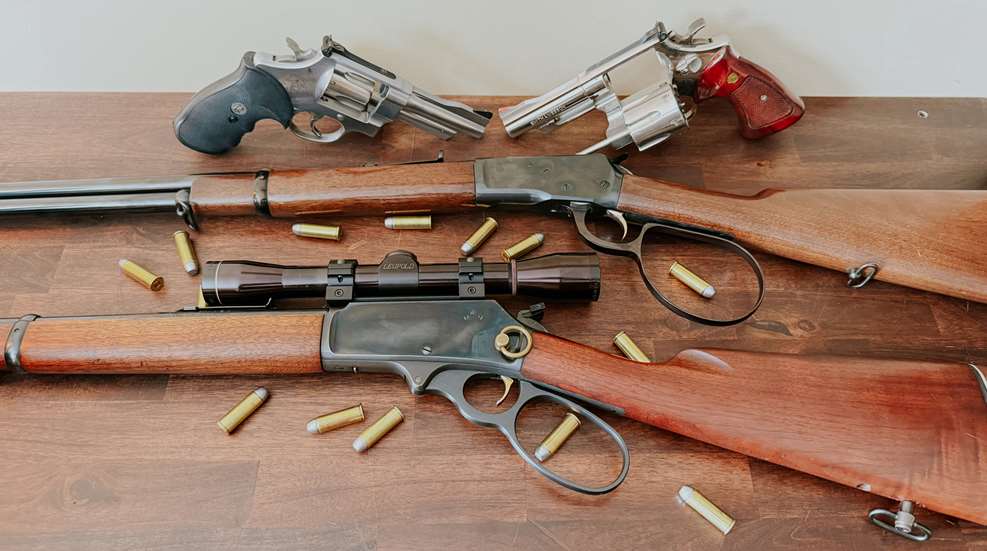
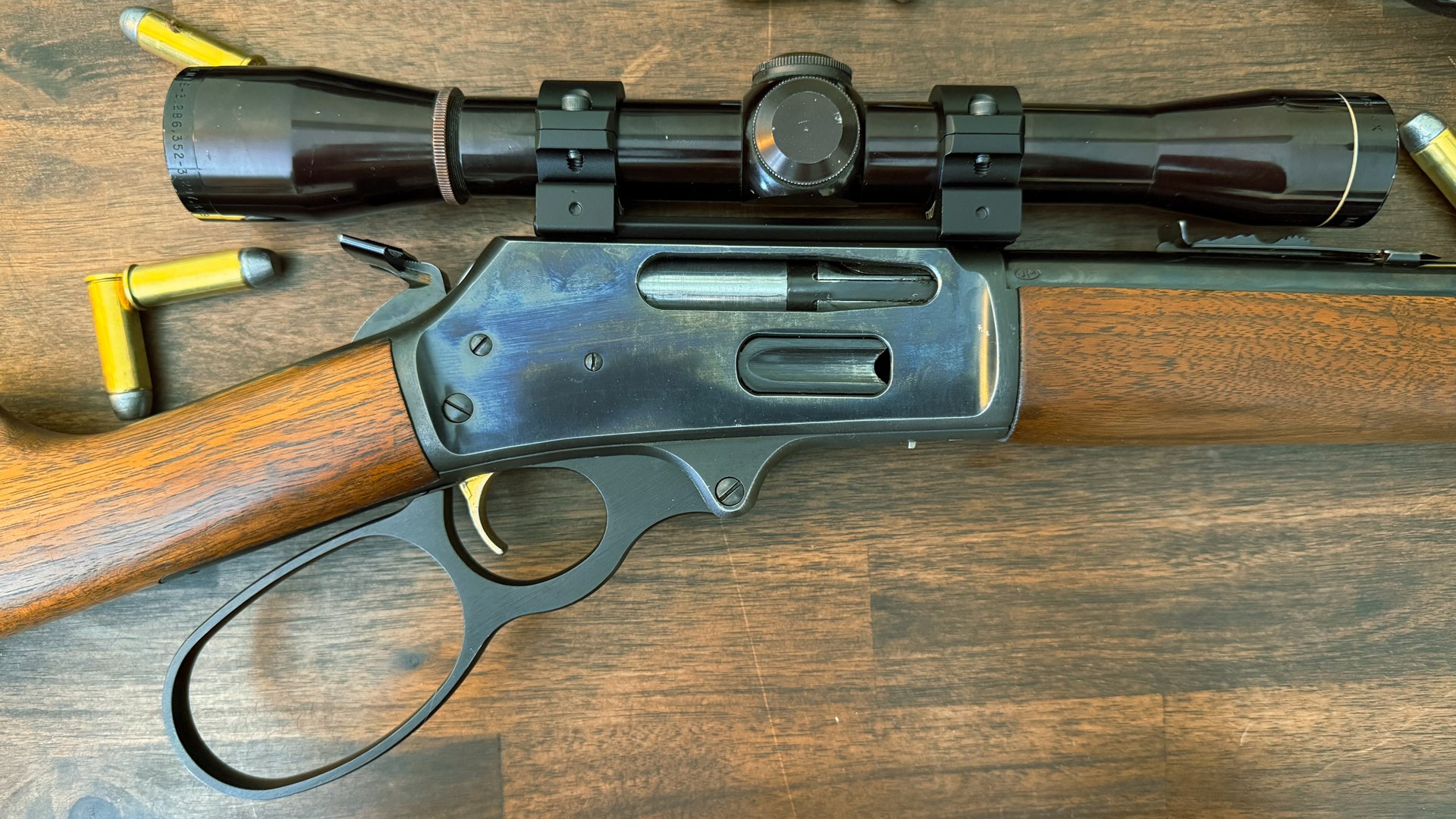
The lever gun, once a historical staple, is now regaining modern day traction. The .44 Magnum, while pistol centric, was also a great fit in a lever platform, particularly ballistically. There are a couple of reasons for this.
First, the energy of the chambering, while a handful in a pistol, is both fun and manageable in a long gun format. Second, the muzzle velocity out of a longer barrel increased significantly over the traditionally produced pistol lengths (sub 7.5 inches).

The first lever-gun offerings in .44 Magnum were compliments of Marlin in the mid-50s in a model 336. Today, the .44 Magnum is available from Ruger/Marlin in the 1894 action. The longer barrel increased velocity and range making it a favorable option for hunting. Today, the .44 Magnum is produced in a lever format by Marlin (under Ruger), Smith & Wesson, Henry, Rossi and Winchester.
A couple of other models to note are the Browning B-92 and the Winchester Model 42. While only briefly in production, both were offered in .44 Magnum.
The .44 Magnum as a Bolt Rifle
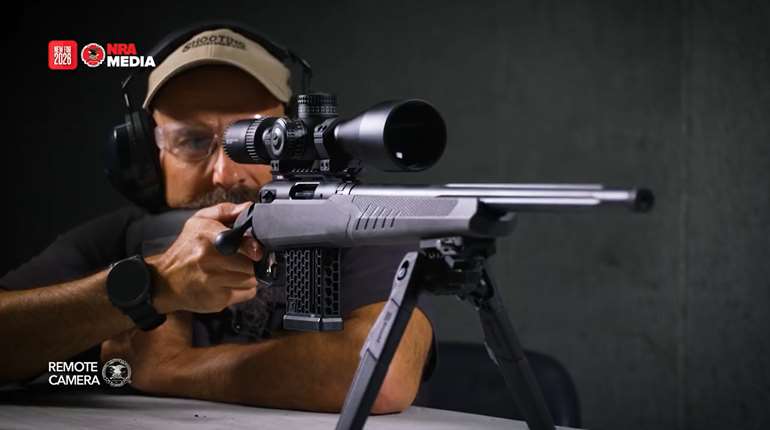
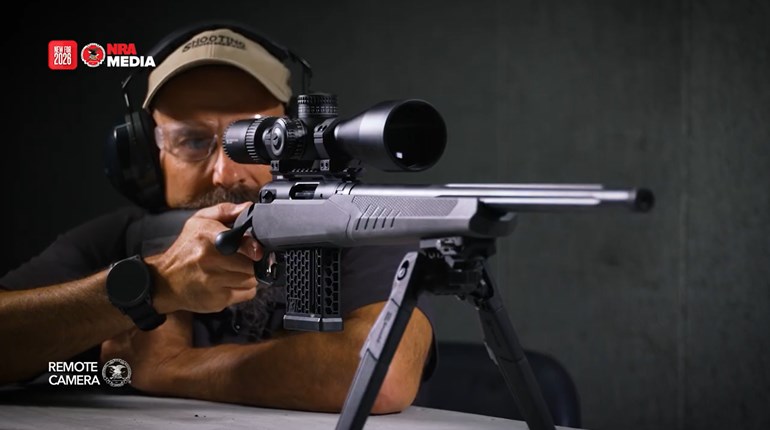
The final platform under examination is the bolt gun. The .44 Magnum in a bolt gun offers the same advantages as in the lever platform—increased velocity through longer barrel length, recoil reduction through gun weight and greater effective range due to optics options. The .44 Magnum as a bolt gun is currently available from Ruger in the 77/.44. It offers a lightweight, short/mid-range hunting option for the .44 Mag. enthusiast with a love of bolt guns. Remington offered the 788 from 1967 to 1983 with a .44 Magnum option, as well.
The .44 Magnum—why it’s a pivotal point in cartridge history
The .44 Magnum as a chambering is a testimony to innovation and collaboration. The work of Elmer Keith highlighted the power and potential of the round. Remington produced the performance. Smith & Wesson created the platform, and cinema brought the publicity.
While the .44 Magnum has since been surpassed in raw power, it remains a timeless staple in hearts and gun safes across the country due to the unique combination of factors that brought it to life.
Whether your passion is classic revolvers, timeless lever guns or modern bolt rifles, your gun room deserves at least one .44 Magnum on the wall—if for no other reason than to say, “Hell, I was there (too).”
Happy Shooting!
Andi