The Arkansas Game and Fish Commission is asking waterfowl hunters and wildlife watchers heading to the field to keep an eye out for any sick or dead birds they find in the wild that may be the result of avian influenza. The risk of humans contracting the disease remains low, but hunters can minimize that risk by following a few simple precautions.
Hunters and wildlife watchers who observe concentrations of sick or dead birds should contact the AGFC’s wildlife health program through agfc.com/avianflu with information about the species, number of birds affected and location.
According to Dr. Jenn Ballard, AGFC state wildlife veterinarian, this is the third year since Highly Pathogenic Avian Influenza (HPAI) was detected in the U.S. and it’s likely that periodic outbreaks will continue to occur.
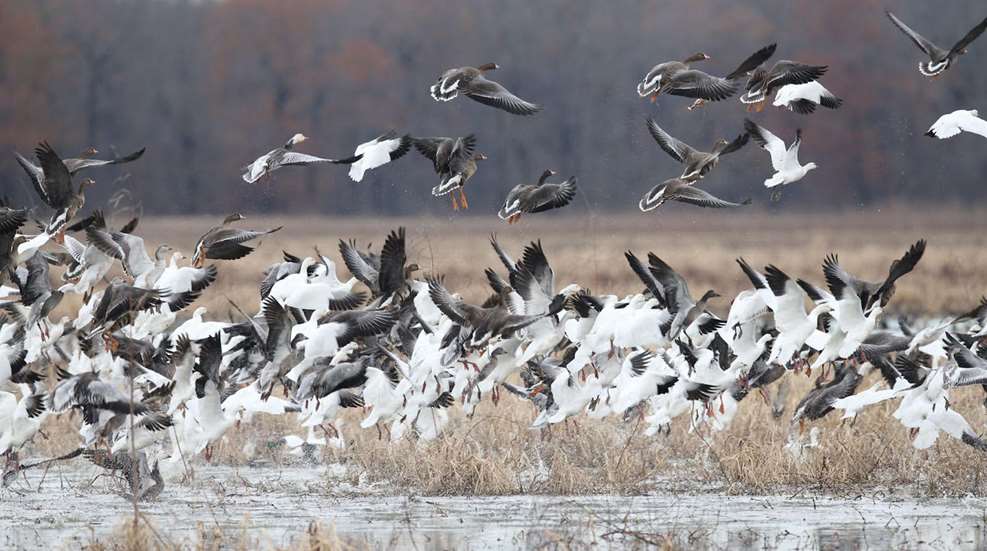
“We’re getting reports consistent with cases in previous years and confirmation testing is underway,” Ballard said. “The reports so far this year have been almost exclusively snow geese with most being juveniles.”
According to Ballard, various low pathogenicity strains of influenza always circulate in wild bird populations, but HPAI has much more potential to spread and has caused billions of dollars of damage to domestic poultry production in Asia, Europe and North America.
Waterfowl hunters may remember finding dead and dying snow geese in 2022, particularly at the beginning of the waterfowl season in Arkansas rice fields.
“Mortality in 2022 was primarily found in those snow goose populations, but a few other duck species and raptors were affected as well,” Ballard said. “Eagles and hawks that may have preyed upon sick or dying geese were confirmed with the HPAI pathogen.”
Meanwhile, in neighboring Oklahoma, a commercial poultry flock in Adair County was confirmed by the Oklahoma Department of Agriculture, Food and Forestry (ODAFF) and the USDA Animal and Plant Health Inspection Service (APHIS) to have been infected with HPAI. ODAFF and APHIS are responding according to their Avian Influenza Response Plan.
According to the Centers for Disease Control and Prevention, the risk for humans to contract HPAI is still low, but people who find birds that are obviously sick or bewildered should refrain from handling them. The pathogen has also been found to affect dairy cattle, so anyone who works around any poultry or livestock should use extreme caution and practice good hygiene practices when handling, cleaning and preparing harvested waterfowl.
Safety Guidelines for Hunters
- Harvest only waterfowl that act and look healthy. Do not handle or eat sick animals.
- Wear disposable gloves when handling and cleaning game and field dress outdoors or in a well-ventilated area. Wash hands thoroughly with soap and water afterward.
- Dispose of unwanted parts in a manner that prevents scavenging by domestic animals and wildlife.
- Thoroughly cook all game to an internal temperature of 165 degrees Fahrenheit before eating it.
- Do not feed pets or domestic animals uncooked portions of waterfowl.
- Avoid contact between poultry and livestock and wild birds or their parts. After handling waterfowl, change or clean clothing, shoes and other equipment before coming into contact with domestic animals and livestock, including commercial production facilities and backyard flocks.
More information on avian influenza is available at USDA APHIS’s website.