Every prepper I know is also a hunter. By “prepper,” I mean the type of folks who work to acquire the knowledge, skills and experience needed to be able to function in unpredictable conditions. For the hunter, that can mean being prepared for changes in the weather, unexpected injuries, equipment malfunctions and the whole host of "Oh bleep!" incidents that can turn a great day of hunting into a soggy night of hiking—unless you're prepared.
Learning to be a prepared hunter is one of the virtues that comes from the education you've received in the field from other hunters, as well as the experience you've gained (occasionally painfully) from your own successes and failures. And because you are a prepared hunter, while bad things can and will still happen, you'll be ready to weather the storm. Being a prepper/hunter can easily make the difference between a good hunt with a few extra tales to tell, and a bad hunt with a whole lot of stories you'd like to forget.
Preppers and hunters share a lot in common, from the clothing they wear to the guns they carry, because they are often concerned with the same things. Want an example? Let's take a look at that staple of hunting preparedness—the gear bag.
The purpose of a good gear bag is to be ready to go when you are. Your gear bag is packed, ready, and, if you can get away with it, in your vehicle next to your gun all season long. The gear bag is an integral part of a hunter's success, and the best gear bags are put together with three things in mind:
1. It's purpose-driven. The bag you'll bring for sitting in a stand isn't the one you'd want for stalking game.
2. It's lightweight and compact enough that it doesn't interfere with your movement or the need for a quick off-hand shot.
3. It's been prepared for the environmental conditions you're likely to encounter.
Now let's do a little comparison. The prepper has a bag as well. It goes by various names such as “bug-out bag (BOB),” “grab-n-go bag,” or the more official government-recommended “72-hour kit.” It's a purpose-driven bag as well: to allow its owner to escape a man-made or natural disaster and provide a minimum standard of subsistence for three days. The BOB can be an integral part of a prepper's survival success. It too should be lightweight, while containing the essentials for survival for that three-day period.
So let's take a quick look at your day-hunt bag. It probably contains things like toilet paper, hand warmers, a flashlight, a lighter or waterproof matches, a cell phone, first aid kit, water (canteen), and maybe a few energy bars. It might also contain gloves, extra ammunition, and items for field-dressing your game such as wet-wipes, paper towels, a bone saw/knife set, and maybe a drag or hanging rope. Your gear bag probably also has some simple tools for gun cleaning and repair.
Now here's the thing: Your typical gear bag already contains the base elements of a world-class bug-out bag. By adding only a few items that will increase its useful duration, you can easily convert it from one to the other.
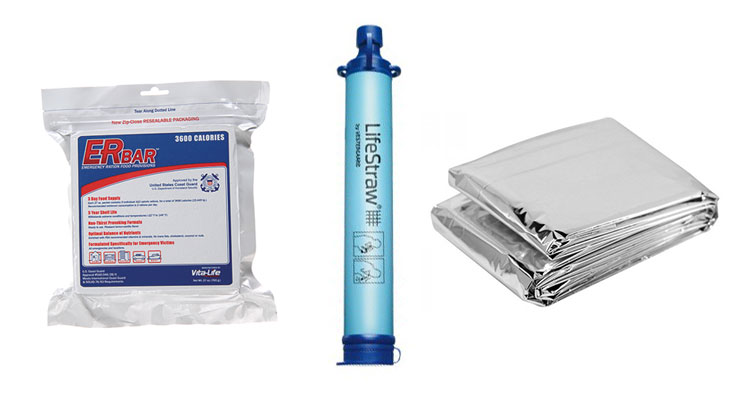
For instance, those energy bars in your gear bag won't cut it for a three-day walk. So you need to add a concentrated food source like an ER emergency ration food bar (3600 calories). Next, get hold of a LifeStraw personal water filter, because carrying the three gallons of water you'll need for three days just isn't practical. Now, add a few emergency Mylar blankets for shelter and bedding, as well as some spare clothing. Finally, prepare a notebook with contact numbers for friends and family, home and car insurance info, a photocopy of your driver's license, some folding money, and any other important information you think you might need, and you're set.
“Now wait a minute!” you say. “I sure don't want to have to carry all that extra stuff in my hunting bag!” Well, no worries. Those extra items will fit easily into a small stuff sack that you can leave in your vehicle or in the closet by the front door, ready to be added to your hunting bag at a moment’s notice.
Becoming a “prepper” requires a pretty radical change of mindset for most people. You have to learn and practice new skills. You need to develop a different way of looking at the world. Most preppers believe life is sacred, and humans have a responsibility to be stewards of the earth. They recognize the simple truths of conservation, family values, continued education for greater self-sufficiency, and the self-evident Rights of life, liberty and the pursuit of happiness.
Sounds familiar, doesn't it? It should. Because it sounds like you, the hunter, whether you care to call yourself a prepper or not.