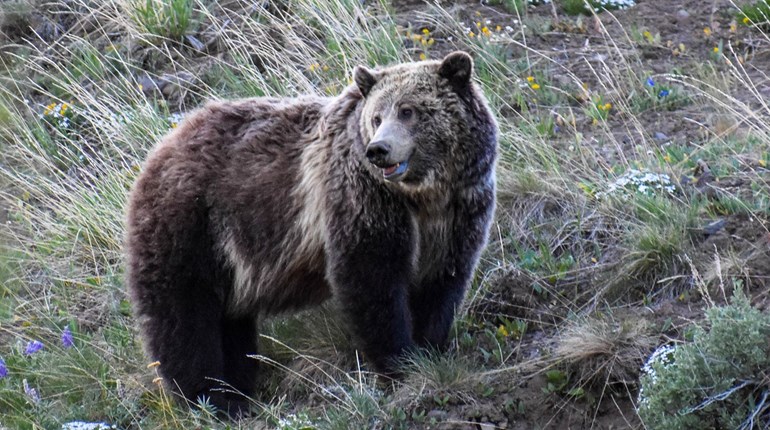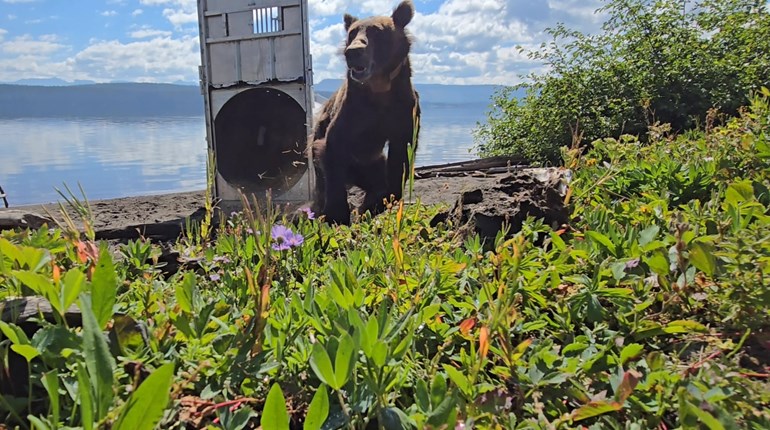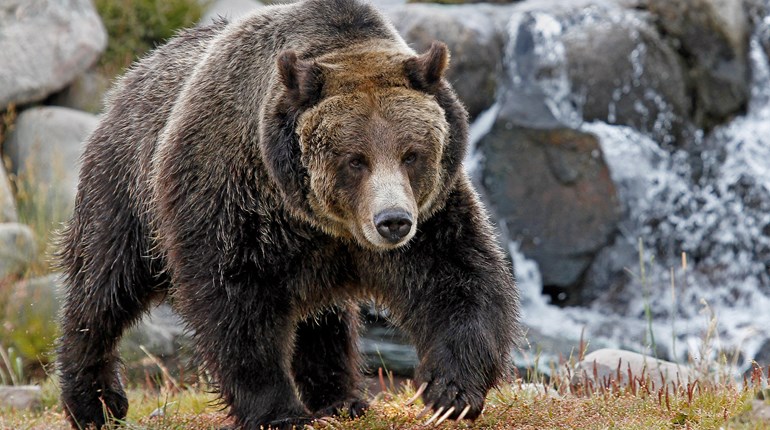
Montana Fish, Wildlife & Parks released the final Statewide Grizzly Bear Management Plan today, wrapping up an extensive public process analyzing how the state intends to manage the iconic species while it’s federally protected and after it is turned over to state management.
“The recovery of grizzly bears in Montana is an amazing conservation success story for Montanans, particularly those who have learned to live with bears as numbers have expanded over the last two decades,” said FWP director Dustin Temple. “This success story also proves again that FWP is committed to managing for healthy wildlife populations across our diverse landscape.”
The statewide Grizzly Bear Management Plan outlines how FWP plans to manage grizzly bears where they exist today, to include areas between the four recovery zones in Montana: the Northern Continental Divide Ecosystem (NCDE), the Greater Yellowstone Ecosystem (GYE), the Bitterroot Ecosystem and the Cabinet-Yaak Ecosystem. The plan prioritizes connectivity between ecosystems and working with people and communities to avoid conflicts with bears.
“This management plan, and the regulatory framework already in place, proves our commitment to keeping grizzly bear numbers healthy and sustainable, while helping people and communities manage for prevention of and effective response to conflicts,” Temple said.
Grizzly bears in Montana are currently listed as threatened under the Endangered Species Act (ESA). However, Montana has petitioned to remove ESA protections from bears in the NCDE and has supported Wyoming in petitioning to remove ESA protections from bears in the GYE.
The statewide management plan replaces two existing management plans—those for western Montana and for southwest Montana—with one statewide plan. The plan recognizes that connectivity between populations of bears is an important part of their continued conservation. That connectivity can be aided with outreach and education to help communities and homeowners understand the value of securing attractants and avoiding conflicts.
“People in Montana bring a lot of different values to the table when it comes to grizzly bears,” said Quentin Kujala, chief of conservation policy for FWP. “But we know that helping people avoid conflicts with bears and educating them on how to live and recreate safely in bear country is critical.”
For FWP, grizzly bear management will continue to center on three main areas of focus: conflict management, research and monitoring and education and outreach.
Along with the final management plan, the final Environmental Impact Statement was released earlier this month. Additionally, FWP also released a new online dashboard to allow the public to see annual grizzly bear mortalities across the state.
To see the final plan, click here.