If there’s one thing I strive for, it’s close shots. When I killed my first deer ever with a bow and arrow at 25 yards that simple credo was ingrained in me. It still drives all my hunting choices today, with bow or rifle.
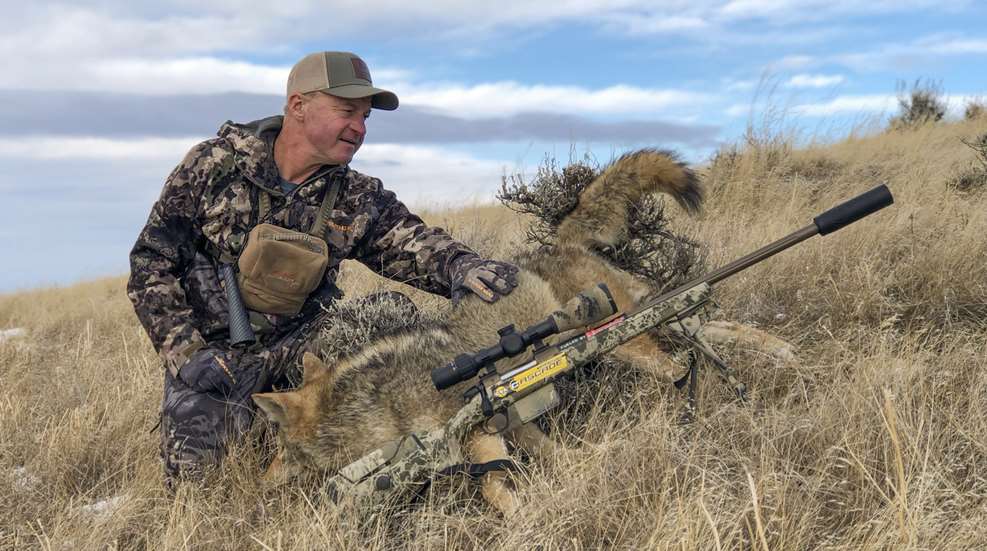
In predawn light, the basin I hiked into defined my objective. Any coyote crossing the basin to investigate my calls would be less than 250 yards from the barrel of my rifle, a CVA Cascade .22-250. Then the proverbial monkey wrench flew into the scene. The pack of coyotes I knew controlled the area were not where they were supposed to be. Instead of lurking between me and a ranch, they had set up camp farther into the foothills. Their change of address was indicated by the angry howls behind me, loosed as a response to my dawn volley of lonesome wails.
No worries. In the past, the coyotes pulled similar shenanigans and still circled to arrive in the basin below for a shooting gallery setup. Then a howl directly behind me and less than 150 yards away caused me to second guess what was about to happen. With only my Kenetrek boots guarding my rear, I had to act fast. Did I have time to make a 180-degree turn? My plan to call a coyote into confident shooting range had worked well—except that the blueprint was backwards!
If you strive to get coyotes into your confident shooting range, use a collection of strategies, singularly or in combination to get yellow-eyed, in-your-face results. Even pressured coyotes have a difficult time avoiding evolutionary behavior exploited for eons of survival.
Terrain Highways
With everything costing more these days, wouldn’t it be satisfying to get a bargain during a hunt? How about free? That’s what you get with the first element to placing a coyote into comfortable shooting range. You get free use of the terrain. Take advantage of the bargain and the results.
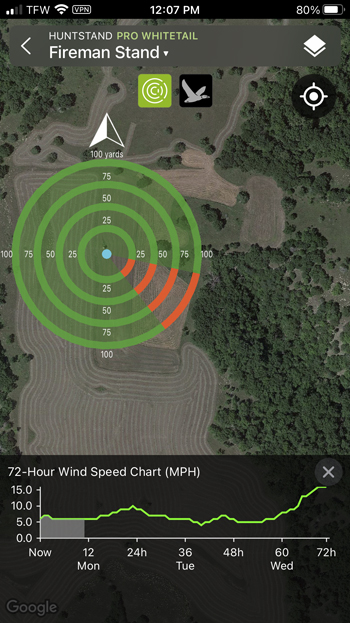
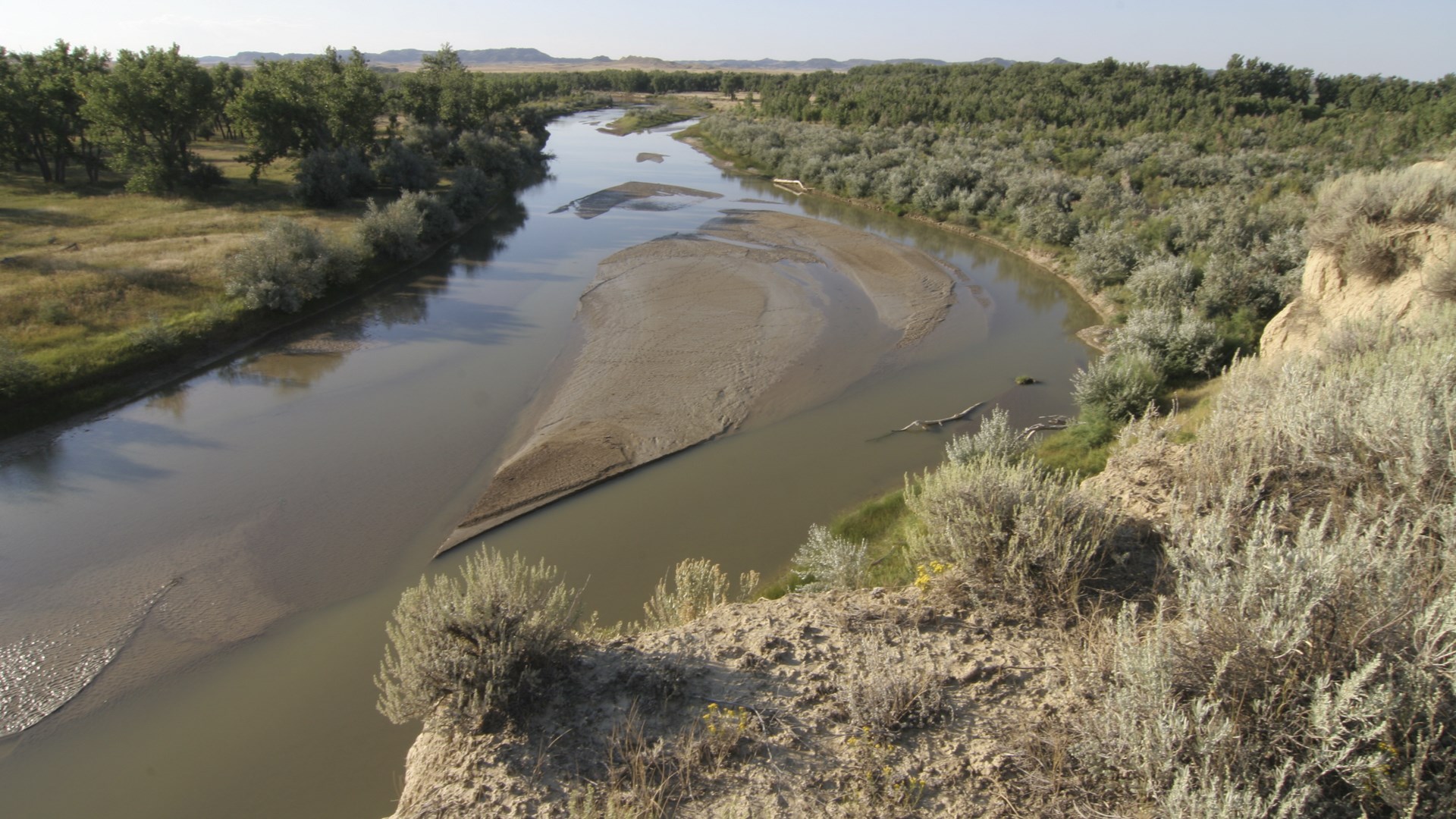
Coyotes have four-wheel-drive and can traverse about any terrain imaginable. Still, they follow an ancestral principle going back beyond dinosaurs. So you should always take note of the path of least resistance. As you review property, whether new or a familiar plot, seek out terrain features that coyotes utilize. A quality hunting app, like HuntStand (huntstand.com), gives you the tools for terrain discovery at home or on the go. Despite coyotes’ go-anywhere attitude, they prefer a comfortable walk along meadow edges, riparian zones (creeks and rivers), at the bottom of steep slopes and where vegetation changes occur, such as where pines and a deciduous sapling thicket verge.
These terrain travel magnets may have been formed by man. Obviously, agricultural fields and their associated edges attract all wildlife, including coyotes. Fences, particularly, create a can’t-miss boundary, often choked with growth and supporting rodents galore. In sheep or goat neighborhoods, woven-wire fence fashions a barrier that coyotes follow until they discover an inevitable gap somewhere along the length. Still, several hundred yards of stout fence makes an element coyotes may follow as easily as any geographical feature from Mother Nature. While setting up near fences, I strive to locate an elevated position giving me shooting options to cover both sides of the fence, if I have permission to shoot on either side.
One memorable hunt that included both terrain and a fence to channel any coyotes my direction included a deep canyon with a fence paralleling it. The canyon was so steep that coyotes did not want to travel in its bottom for fear of ambush without visual support. Instead, they followed an overgrown fence line placed on a parallel ridge for ease of repair above the canyon. The morning was frigid and my border collie sat by my side ready to deploy if needed. About 30 minutes into the set of howling, magpies and the occasional fawn-in-distress, I spied a flash of gray behind the brushy fence line. A second later, a coyote crammed its head between the barbed wire for a peek and then disappeared.
My dog spotted the movement and the next time the coyote peeked, I whispered, “Get ’em.” The coyote immediately locked eyes on the dog slinking its direction, giving me cover to go prone for the shot. The coyote’s eyes stayed glued on the dog as I dialed up the scope to 18X for a V-Max ending to the fence line game of peekaboo.
Choose Their Cemetery Plot
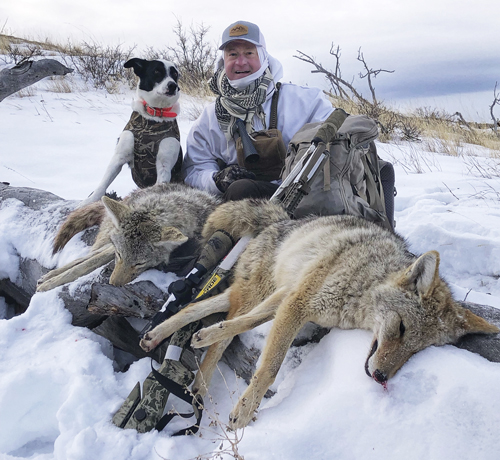
The use of terrain brings a coyote into the neighborhood, but we all strive to put a coyote in an X-marks-the-spot location. In the previous fence-line scenario, the X-marks-the-spot location was where the fence topped out, which led the coyote to begin its peekaboo routine before fully exposing itself on an open slope. Terrain was the deciding factor on that setup. Terrain almost always plays a role in putting a coyote exactly where you want it. Nevertheless, add a few more plays to your playbook to guarantee a grounded coyote.
First, take your wind game a step further. When calm or light winds dominate your coyote hunts, there’s nothing wrong with a downwind setup site. Choose a view where you want a coyote to take its last stand and call away. Without a wind advantage, terrain alone and an opening well within your shooting skills should work. But when the wind has some authority, coyotes will use it to circle. Let them.
Instead of risking a coyote getting behind you and thus scenting you as it circles downwind, set up so you lure a coyote into a shooting lane downwind, or at least into a crosswind to your position. Why fight the ingrained coyote desire to follow its nose downwind? In terrain where you expect coyotes to arrive from nearly any direction, choose a route that spreads as little of your scent on the wind as possible over likely coyote hideouts as you approach. Next, find an opening with the wind blowing into it and, with a powder wind indicator, confirm that coyotes will need to expose themselves briefly before hitting your scent stream.
Some hunters may not feel comfortable setting up with one’s scent blowing toward the best coyote country. Other times, the terrain simply may not work for this downwind-view approach. Go to plan B. Use calls to bring them into your shooting comfort zone. You have two options. First, set your electronic caller upwind of your setup position approximately 100 to 150 yards away. How far away depends on terrain exposing coyotes and your shot distance preference. This should bring a coyote to the caller or, better yet, circling downwind of the caller, placing it between you and the sound with its focus directly away from your rifle barrel.
As a fan of hand calls, I’ll also call upwind of my position, and after a short series of sounds hustle 100 yards downwind to set up. A coyote’s nature to go to the sound or circle downwind puts it, again, between me and the sound. And better yet, I own the wind. Last year I pulled this crazy-Ivan maneuver in a brushy valley. At the bottom of the valley floor, I put my Rocky Mountain Hunting Calls Stealth Howler to work with a rapid series of challenge howls after hearing coyotes nearby on my predawn walk in. I jogged up the valley and then up the slope to a ledge overlooking the location where I’d just howled. Fifteen minutes later an angry coyote trotted into the X-marks-the-spot zone. He bet on meeting another coyote. He lost the bet.
In the Dark
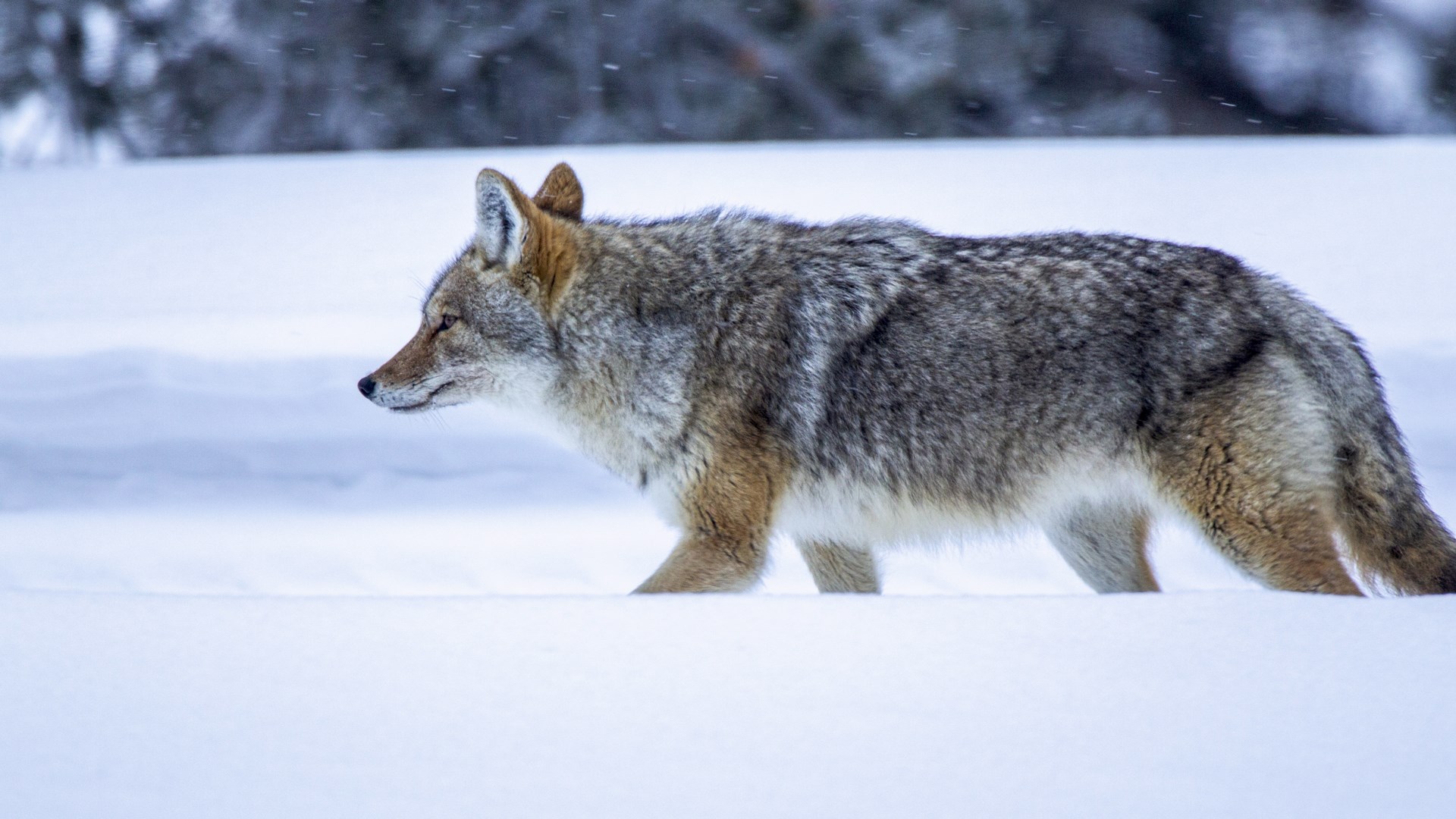
Billy Squire’s 1980s hit “In the Dark” rattles my brain on every one of my early-morning coyote calling sessions. The reason is simple. I begin my first setup of the morning at the very crack of dawn. You don’t need an animal science degree to understand that coyotes work the graveyard shift, especially in areas humming with humans. They feel confident moving at night, and the night vision boom of predator hunting proves that point. I still enjoy the sight of a coyote loping into my calls, preferring to work with daylight as opposed to riflescope imaging. Nevertheless, I win the early-bird race to prime calling spots on most occasions.
This habit of mine could be from decades of rising early to hunt, but it conforms to coyote conduct of boldly moving around in the dimmest light of the day. A setting or rising sun is their indicator that owning the night or pulling a Dracula move is minutes away. Of course, coyotes may run to your sounds any time of the day, particularly if they are hungry, horny or experience limited hunting pressure. Nevertheless, whether at dawn or dusk, my first and last setups of the day usually end with me squinting in borrowed time to see any coyote slinking my way, hence the Billy Squire ballad.
Last winter I hiked into a parcel of public land that receives hunting and hiking pressure due to its proximity to suburbia. I’d started out in the dark and was a mile in, and set up, when I could begin to distinguish bushes from a possible coyote. That was my cue to begin calling. Coyotes returned heated howls to my howls, and before the sun rose a coyote slipped through a sidehill line of brush in my direction. I barked when it was 100 yards below me and the coyote froze, looking for the intruder. It spied my border collie, Sully, sitting up and staring back, giving me more than enough time to brace up for a frosty smackdown.
One coyote would have been plenty for the morning, but to my surprise this one was traveling with a second coyote, now fully in sight despite the dimness. Several more barks from my poorly lit hideout prompted it to stop its race to escape. Because of its boldness in the crack-of-dawn lighting and the narrow gully I used as a conduit, he was within easy reach of my Hornady load. Even though it was morning, it was good night Mr. Coyote.
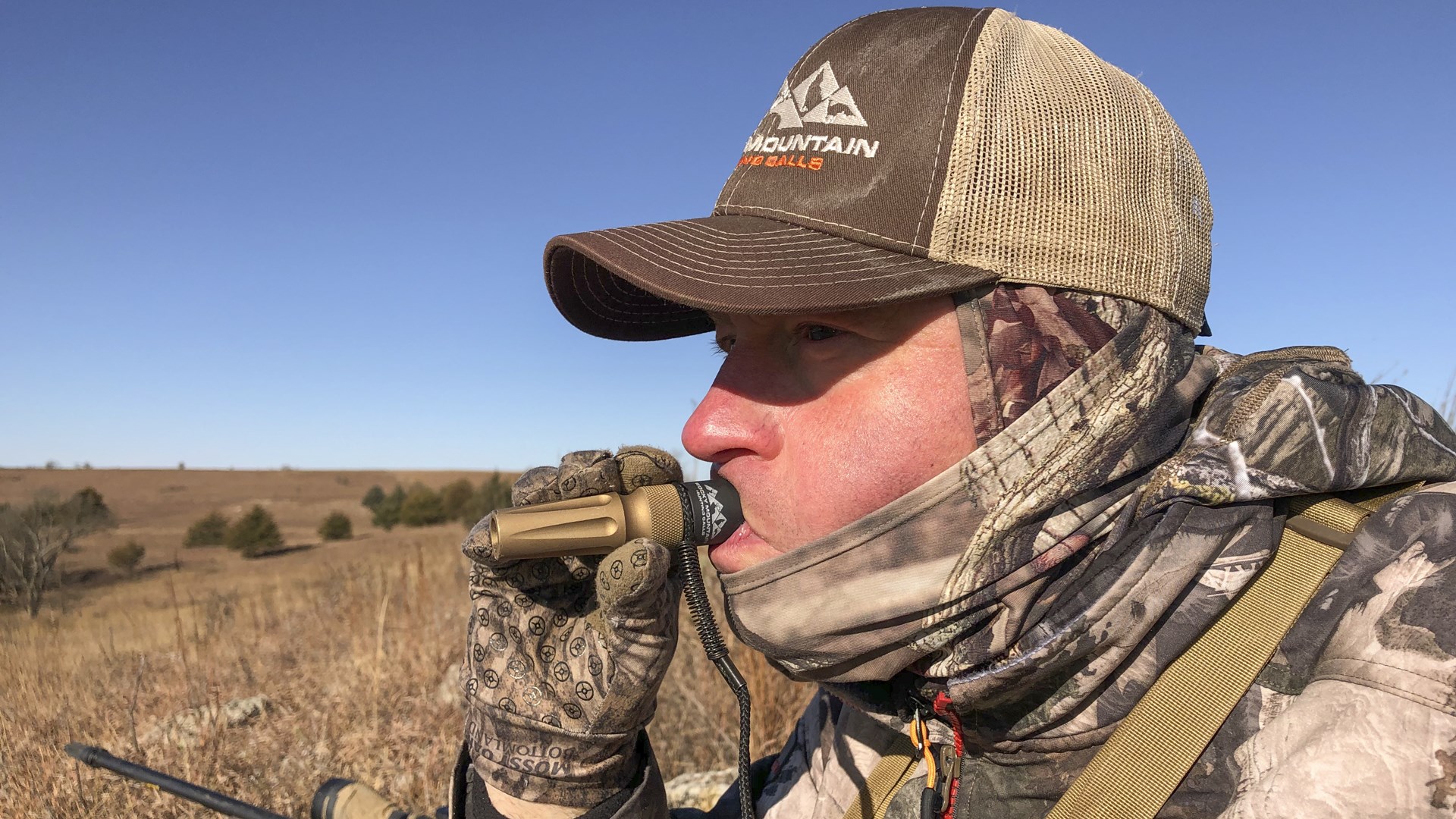
It’s the Little Things
Finally, it never hurts to glam it up a bit to steer coyotes right into your reticle zone. For starters, I always bring my dog along. He sits ready to tease, taunt, engage or, many times, just watch the show. I should probably bring popcorn for him. I also carry the Montana Sitting Coyote decoy in my pack all year long. I put that out, depending on my setup and wind angles, about 100 yards away from my hide. When a jumpy coyote nears my position and sees the decoy, it often calms down and circles for a look. When it sees my dog moving, it just adds more realism to the setup (most of the time) that a canine caucus is occurring.
Scent also comes into play during most of my setups, especially when I’m looking downwind. Off to either side of my shooting lanes I hang wicks soaked in coyote urine approximately 100 yards out at coyote nose level to stop any coyotes before they cross my downwind scent path. A mist of coyote urine on my boot bottoms also aids in covering my presence, whether putting out decoys, wicks or callers.
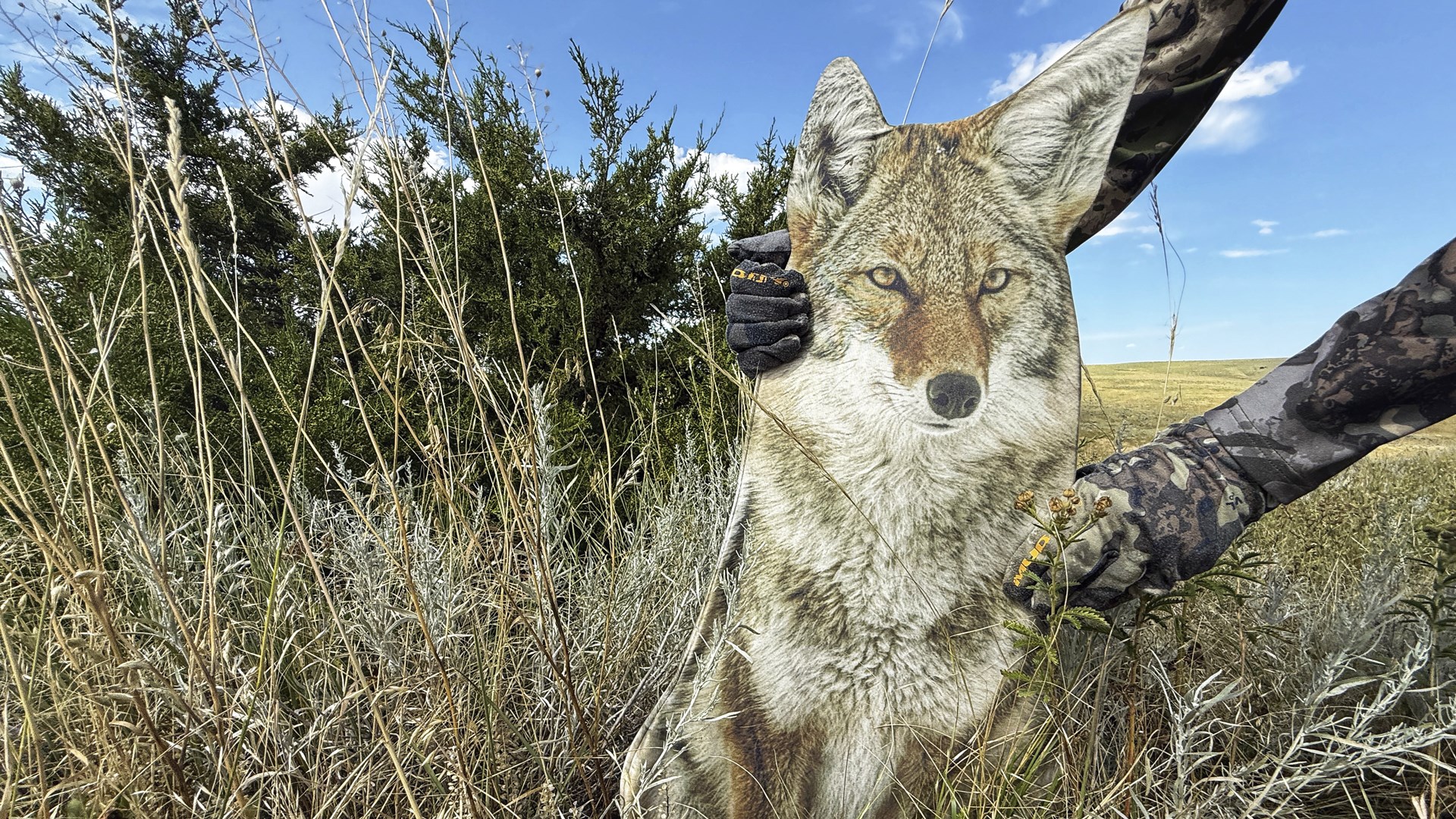
Scent, the Sitting Coyote decoy and my own dog were all prepositioned when my plan was slammed into reverse by the coyote behind me at the top of this tale. Knowing I had only seconds to act, I spun on the frozen ground and pointed my rifle uphill in the direction of the last howl. Sully spun as well, then laid down per his training. Seconds later a coyote scampered into sight and downhill toward my position. He did not know it yet, but he was already dead … except for the fact he started picking up speed. He had seen the decoy below us! Barking only caused the coyote to glance my way and his charge, along with the barking, impelled Sully into sitting up in a defensive posture. In a blink the coyote would be past me, so I filled the scope with fur and pressed the trigger to amazingly land a perfect heart shot on the run. The coyote kept loping, not realizing this time it was really toast, and I commanded Sully, “Get ’em!” He raced in front of the coyote as it stopped from lack of fuel, and it tipped over within spitting distance of my dog.
Sully bristled with pride and I breathed a sigh of relief realizing a setup oozing with confidence almost bombed from too much of a good thing. I like coyotes close, but I hope not that close next time.
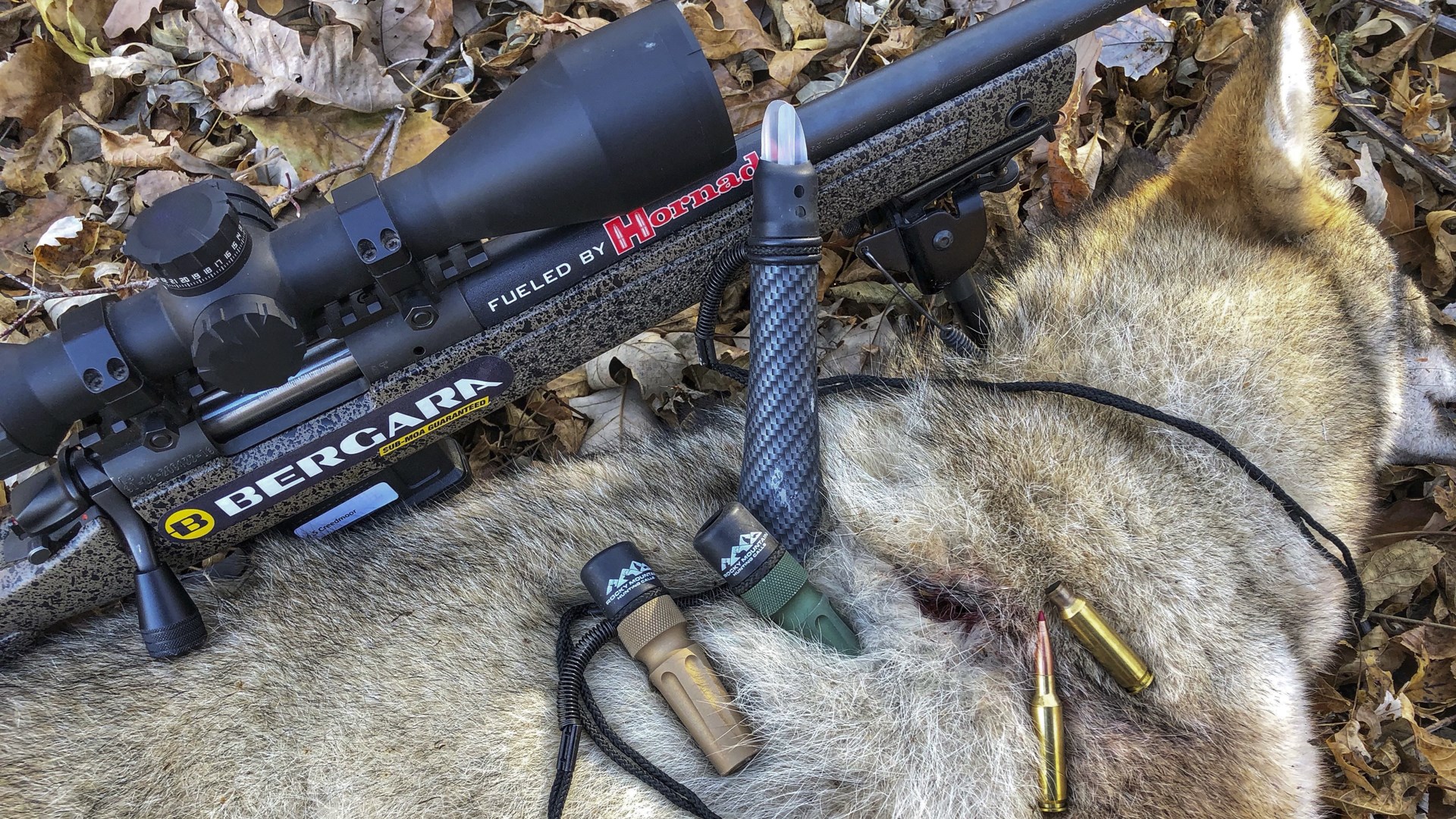
Team an E-Call with Hand Calls
Many of my setups include cross-country hikes through deep snow with a destination a mile or more into the backcountry. That noted, I try to minimize weight whenever possible thus my fondness for hand calls. Still, electronic callers have their place, and when I team up with a buddy who has spent hundreds on an electronic impersonator I see no reason not to team up further. Hand calls and an electronic caller make a winning lineup.
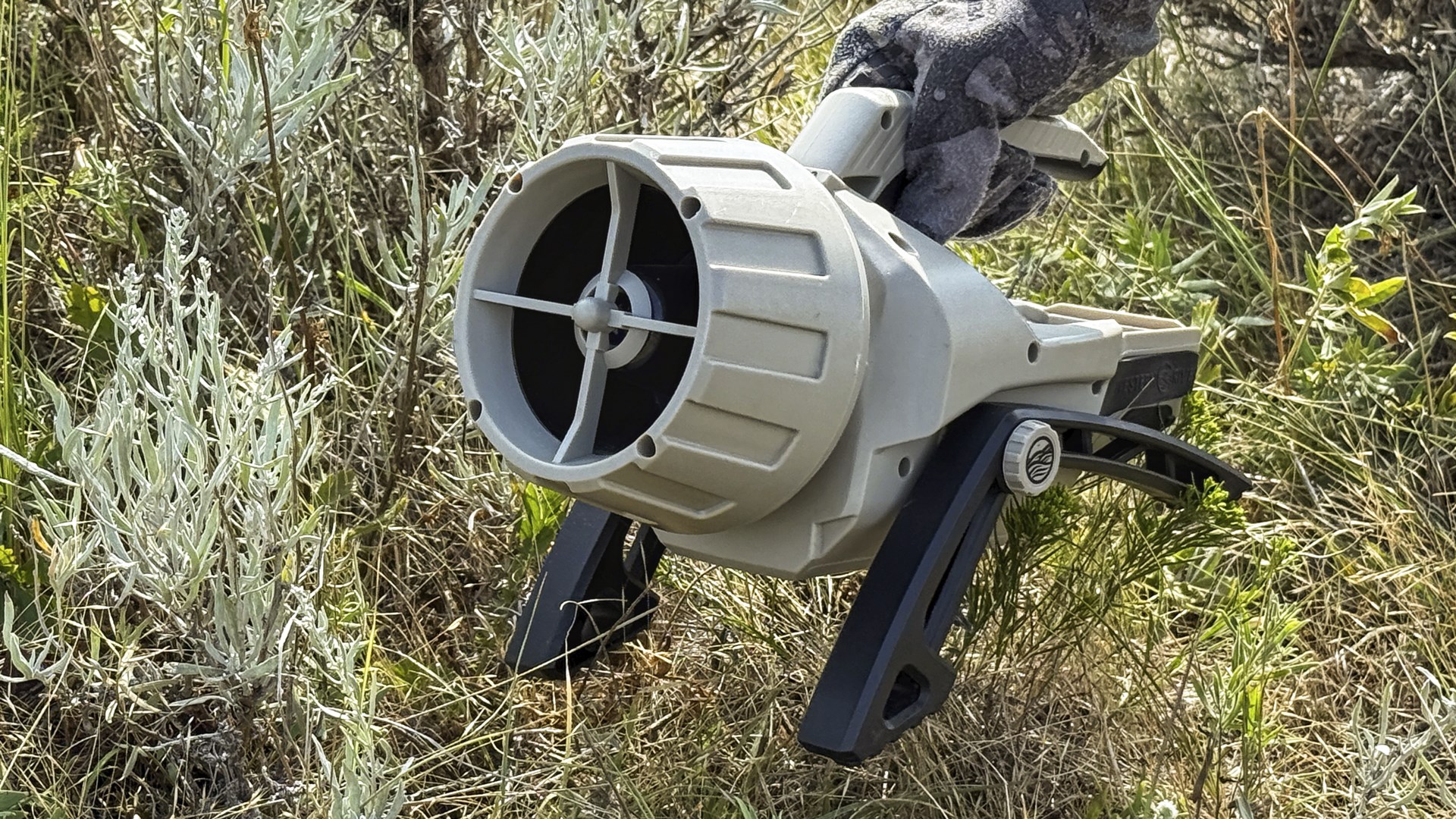
For starters, one person can operate the e-caller with the other hunter focused on hand calls. Changes to sounds can occur more smoothly and, if needed, a hand call can go into play when an immediate change of sequence is required, with dozens of sounds in the libraries of e-callers, that is sometimes not possible even with the most nimble fingers on a remote hand call.
A second strong point for the band to get together is realism. Whether using a straightforward howl setup or coyote yipping and prey-in-distress, the two calling methods can work in tandem and augment each other. Having the e-caller answer lung-powered howls adds confidence with coyotes noting the separation in sound. A dying deer with coyote fighting nearby also spreads assurance of an actual wildlife demise.
Most Popular