First Look: Leupold LTO-Quest Thermal Optic

by
posted on August 30, 2017
** When you buy products through the links on our site, we may earn a commission that supports NRA's mission to protect, preserve and defend the Second Amendment. **
lto_quest_f.jpg

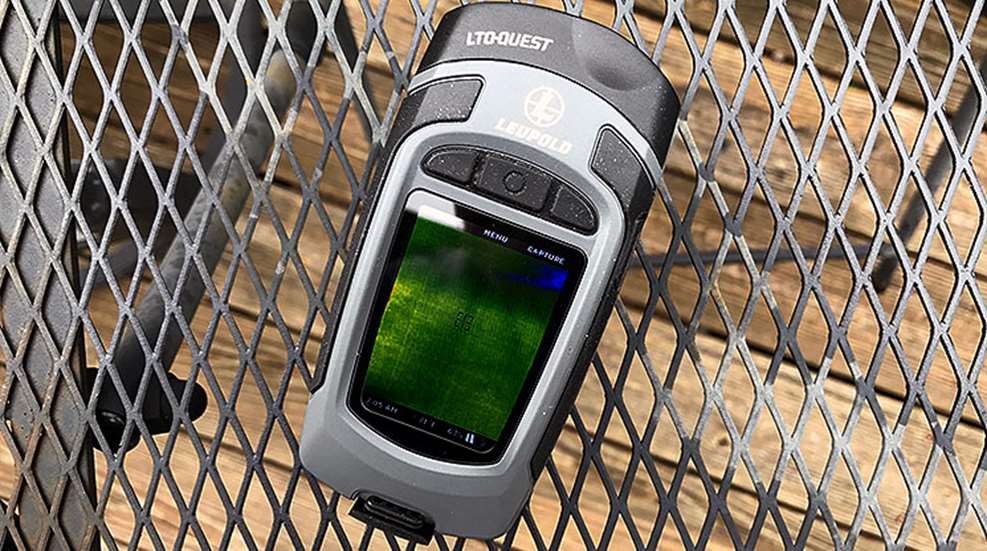
Earlier this year, Oregon-based Leupold Optics launched the LTO-Tracker, a handheld thermal imaging device that was crafted with hunters in mind—which still didn't stop our friends over at Shooting Illustrated from taking a closer look at it as a personal defense tool. This spring, Leupold doubled down on the concept by introducing the LTO-Quest. The palm-sized LTO-Quest differentiates itself from the original Tracker (which more resembles a monocular) by serving as a palm-sized thermal imaging viewer and camera. Here are four things you need to know.

It does its job.
The LTO-Quest packs quite the punch for its size. Using its 206x156 thermal sensor with a 20 degree field of view, it's capable of detecting a thermal reading out 300 yards using any one of eight color palettes. It’ll operate in temperatures ranging from four-below to 140°F, and it can read temperatures well beyond that—on both sides of the spectrum.
It's compact.
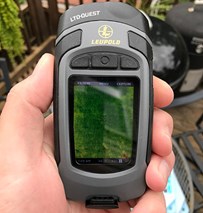
Truth be told, neither of Leupold's thermal products is really a burden to carry around. The Quest really is palm-sized—see the embedded photo for proof of that. Better yet, it weighs in at just less than 7 ounces, so you're not going to have to worry about it adding much weight to your pack.

Features, Features, Features
The LTO-Quest is packed with a bevy of little features that hunters will be able to appreciate. It has a rugged, rubberized body that should keep it relatively safe from whatever elements you’re dealing with. It includes a 300 lumen, dual intensity flashlight, and a micro USB is port is included both for charging, and to download any images that are stored on the included, removable microSD card.

It's easy to use.
"Thermal imaging device" may sound intimidating on paper, but never fear—the LTO-Quest is decidedly easy to use. The controls are intuitive, and take no time to master. A four-hour battery life ensures that your Quest will make it through any job you've got in mind.

Latest

Herman Shooting SA 35 4 Inch

#SundayGunday: Springfield Armory SA-35 4"

Springfield's SA-35 4” maintains the “wood and steel” vibes of yesteryear, with a blued finish on the gun’s carbon steel, and checkered walnut grips. Curious about this updated version of a true classic? Check out this exclusive edition of #SundayGunday.

Will Grizzly Bear Management be Returned to the States?

When the grizzly bear in the Lower 48 was given Endangered Species Act (ESA) protection as a threatened species in 1975, it was supposed to be a temporary protection that would be lifted once populations met or exceeded specific goals. Now more than a half century later and with grizzly populations that have spread and met or far surpassed the goals set in 1975.

New for 2026: Leupold LCO Pro F2 Red-Dot

Leupold & Stevens, Inc. has launched its LCO Pro F2 red-dot sight, combining optical clarity, reliability and purpose-built features in a full-sized red dot.

Member's Best 2026

I am heartened by this year’s entries. In addition to fabulous photographs, almost all of you delivered exceptional narratives of your hunts. We used your very words wherever possible because it’s an honor to see you all rise to such an occasion as sharing a special moment with your fellow hunters. You now know a little bit about what drives an outdoor writer. —J. Scott Olmsted, Editor in Chief

New for 2026: Vortex Crossfire II

Available with either a red or green dot, the Vortex Crossfire II Red Dot lineup brings added function to the Crossfire series.

USFWS Proposes New Grizzly Bear Management Rule

On July 17 the U.S. Fish and Wildlife Service (USFWS) published a proposed rulemaking change on the Federal Register that, if approved, would allow western states to better manage their grizzly bear population. Despite their burgeoning population the big bruins remain on the “endangered” list under the Endangered Species Act (ESA), a fact that has paralyzed regional conservation efforts, impacted other wildlife populations and dramatically increased human/bear conflicts.

Interests


Get the best of American Hunter delivered to your inbox.