A hunter strokes the paddle on a box call emitting a loud yelp into the predawn air. The thunderous reply has blood boiling at both ends of this dance. What now?
That is a scene all spring gobbler hunters want to experience as they head to the field for the first week of the season. The good news is that with proper planning and use of tactics, hunters are more likely to punch a tag earlier in the season than later.
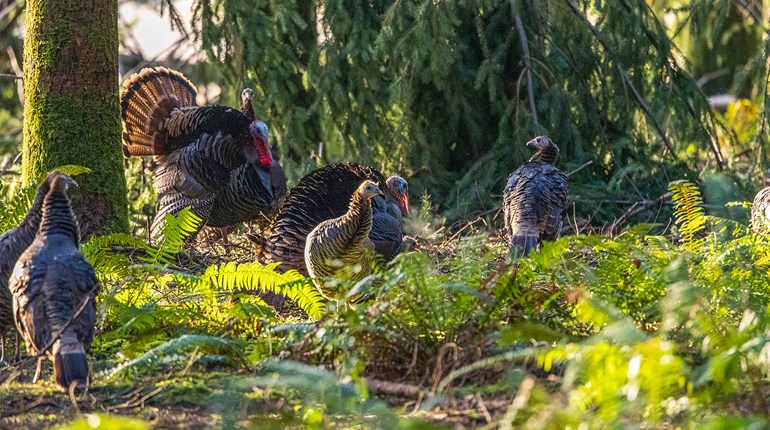
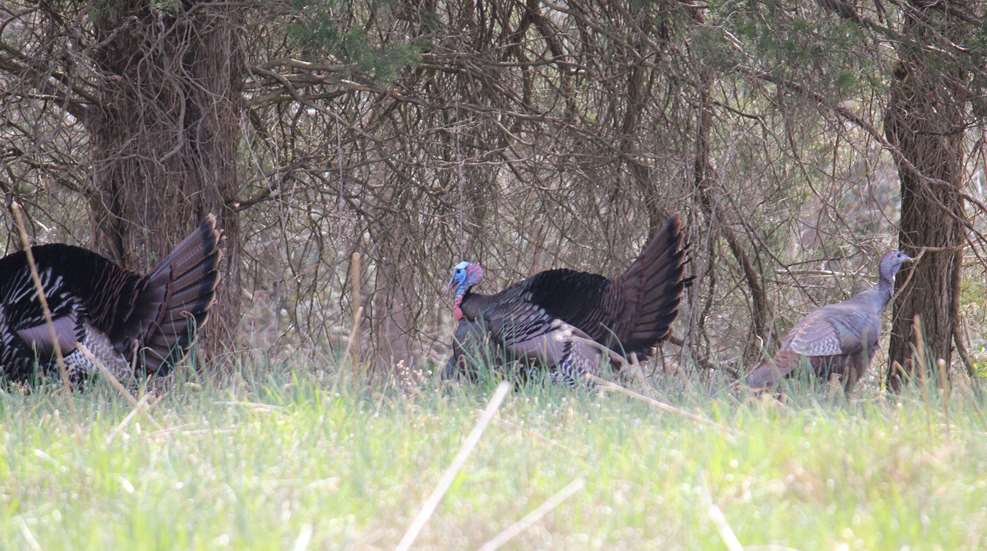
Earlier in the season, the birds are not as pressured and there are more birds. Also, consider that many of the birds that are gobbling back with enthusiasm are birds that are one to two years old, not as wise to hunters and their calling and eager to pass their genes along at every chance they get. These are the easier birds to entice within range, but bagging a Tom is never an open and shut case. There is always the dance that has to be done to seal the deal.
Scouting
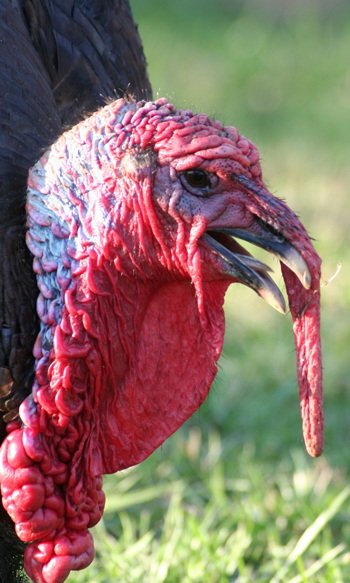
In a previous article we mentioned how to do some preseason scouting. Scouting is so important to gather intel on where the birds are strutting and where they are roosting. If possible, a few days before hunting, go roost a bird. Roosting a bird is simply going to the land you are hunting and using extreme stealth and care, ease in and listen for the birds to either fly up or gobble once they roost in the evening. Mentally mark that position, consider where they may fly down and consider where they might go to strut once they hit the ground in the morning. Be very careful not to spook or alert the birds to your presence when scouting. Remember, there will likely be some hens and possibly a few gobblers in the vicinity. Don’t assume just because you only heard one bird that is all that was there.
Before leaving the spot, make a plan where you want to be in the morning and how you will get there without spooking or alerting any birds. If you are going to use a blind and need to position it, that may be better done midday when the birds might be elsewhere.
Be Early
There are times in the season when I believe a lazy morning hunt—where arrival is a few hours after sunup—is the best choice; but the first week of the season, I prefer to be afield well before twilight creeps across the terrain. Decoys need put out and a secure shooting position needs to be chosen and occupied before the birds start looking for love, and see us scurrying across the field to set up in the predawn minutes. There is something special about those first few hunts of the season and being in position well before sunlight. We get to hear the world wake up and all the great songs and calls of various birds and animals as they stir. Take it all in and get the package deal before the season gets tough.
Calling the Teenagers
If you are out to get a legal gobbler, but not necessarily the biggest boy in the woods, this is your time. Sometimes the younger birds are afraid to call too much for fear of a dominant bird whupping their tailfeathers in front of everyone. However, they will often come running to look, and sometimes call all the way in too. Don’t be afraid to call, but don’t call too much. Get them coming, then pipe down a bit or go silent on them until they hesitate. My experience has been that if a younger bird starts running towards your call and there is a decoy out, the older bird won’t stand for it and he will try to get there first. Hunters can take advantage of the competition and choose the bird they want. Sometimes we get a ring side view of a good fight.
Henned Up?
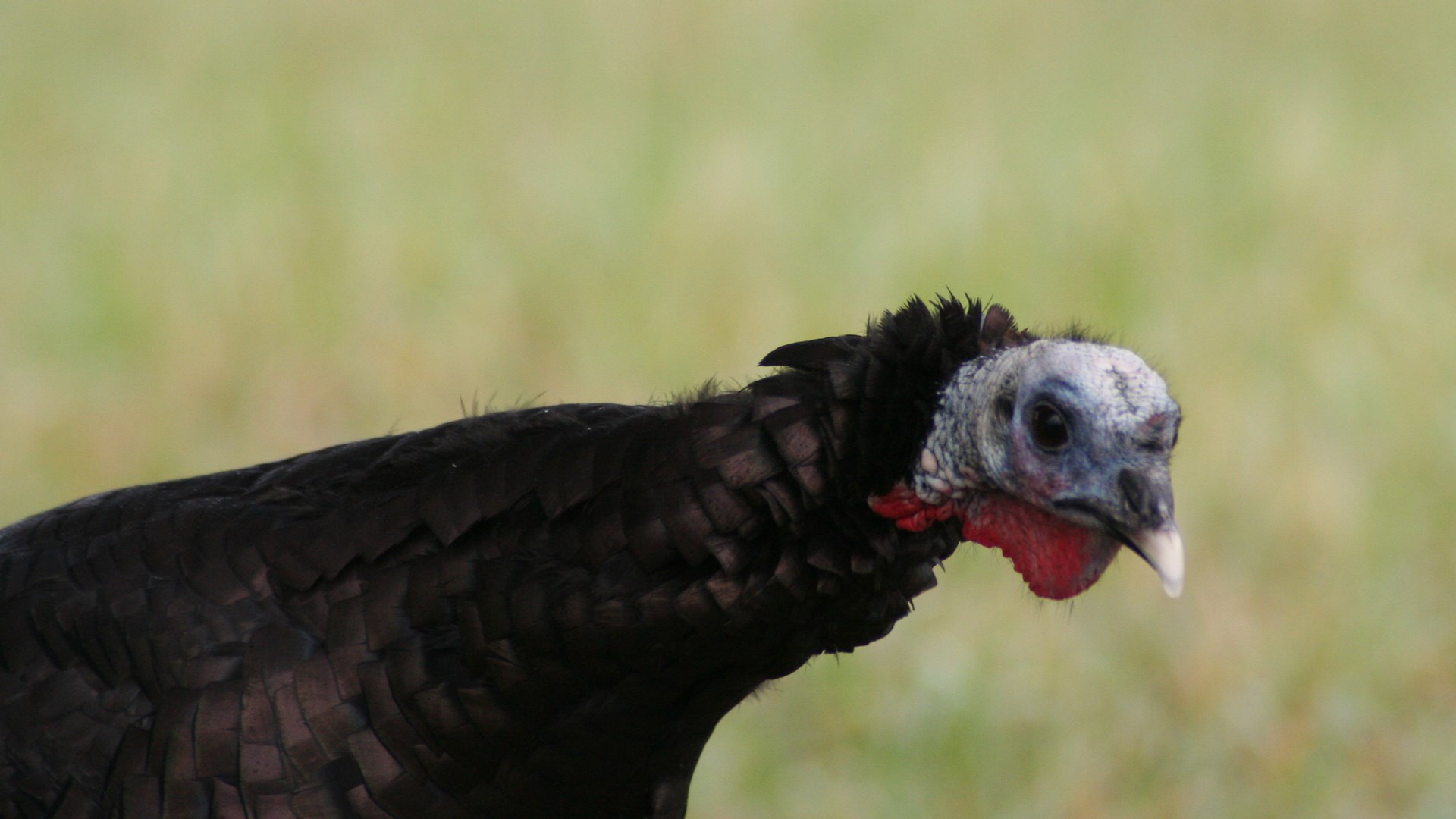
If there are a lot of hens in the area and they hang up the gobblers, don’t despair. There are two things that can be done to get a shot. First, wait a bit and have patience. When the less dominant gobblers figure out that they won’t be getting any action with the hens in sight of the boss bird, they will start paying more attention to your calls and come your way to see what prospects await them there with less competition.
Another tactic to use on henned-up gobblers is to call the hens. Make a point to listen to some turkey vocalizations, particularly hens, and practice some of those; not to call the gobbler necessarily, but to aggravate the other hens into thinking you are trying to steal their mate. Sound raspy, get aggressive towards the hens and answer them, not the gobbler. Make the communication a war between hens. Pretty soon one of the adult hens is going to want to come pick a fuss with you and behind her will be a gobbler thinking he is getting kicked to the curb!
Decoys
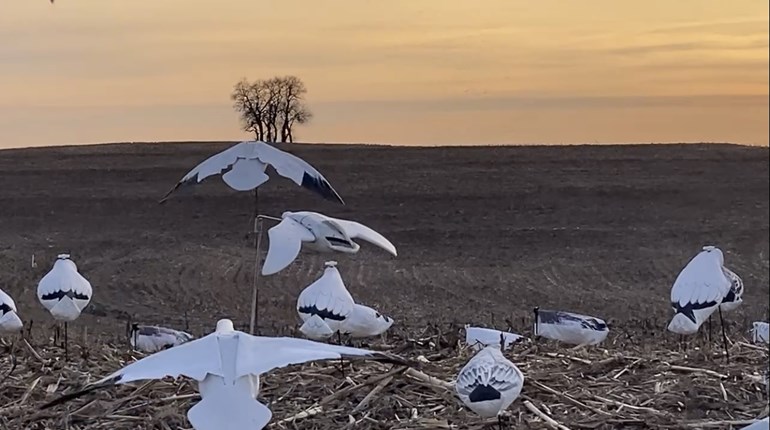
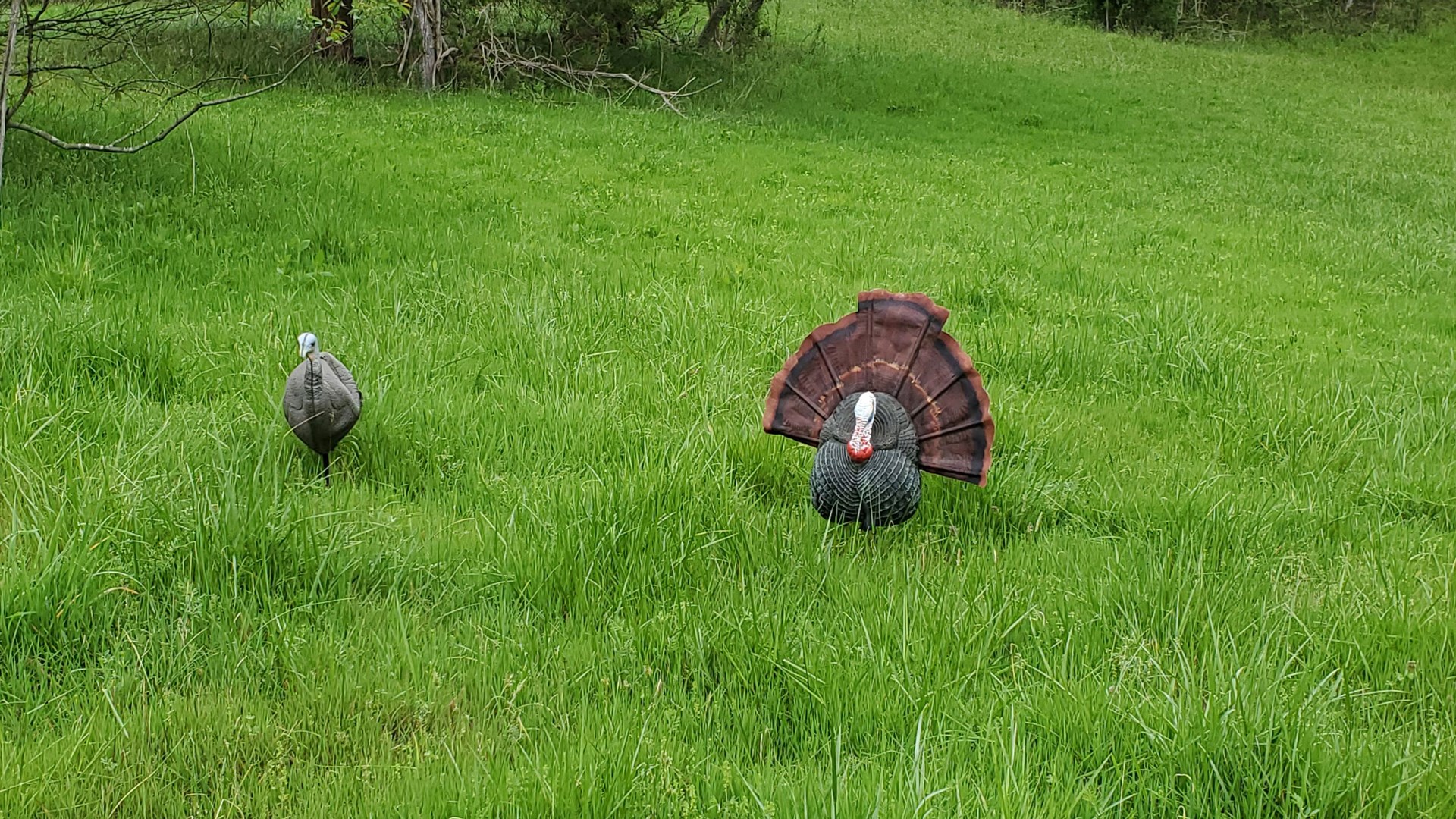
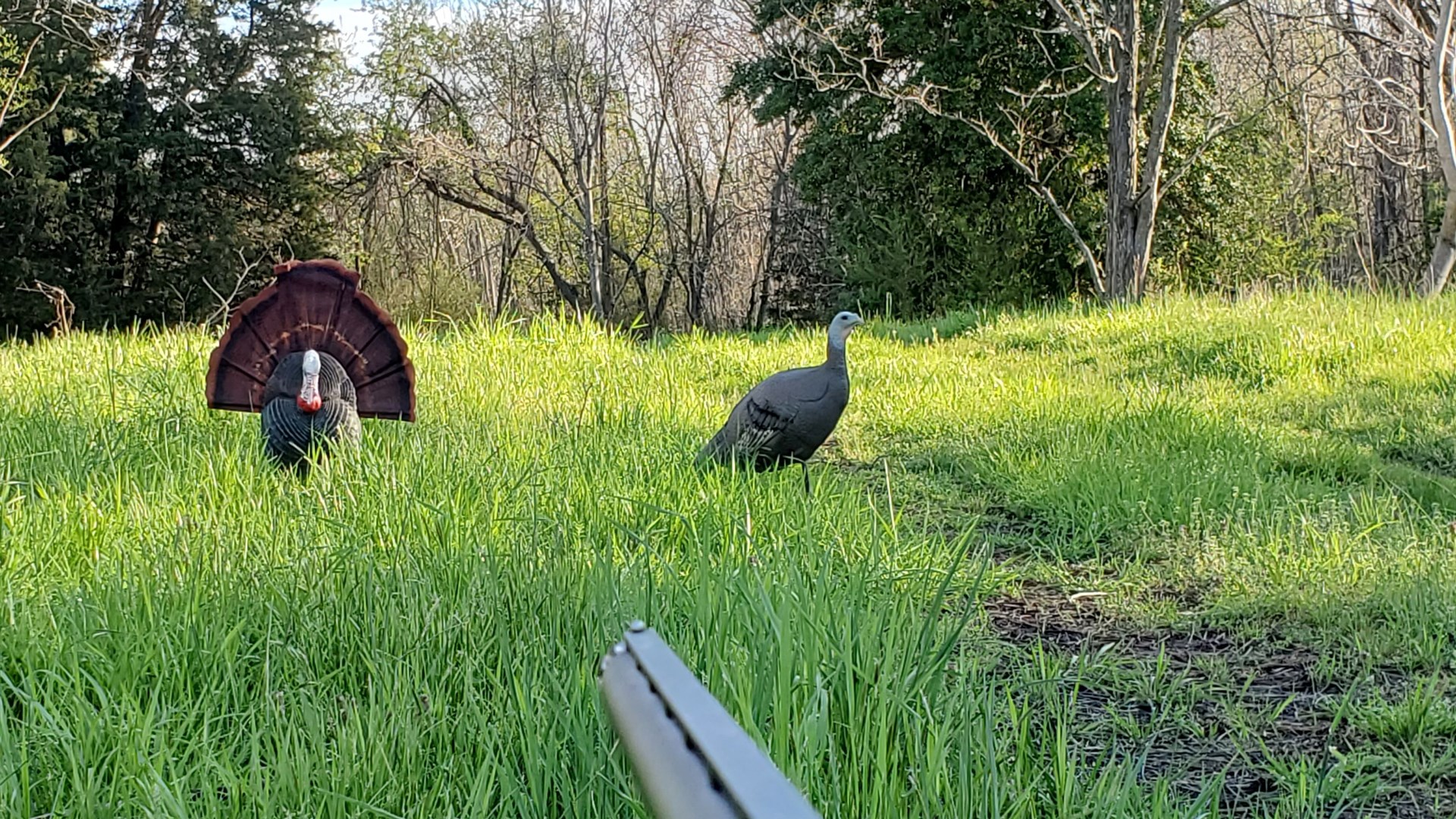
Decoys are amazing tools to use for spring gobbler hunting. Some people just use hen decoys, and that can be effective. I like to use at least one jake decoy that has fan spread out on it. The jake decoy fan is obvious because of the shorter feathers on the sides. Put this less mature “gobbler” near the hen decoy and get ready. The boss won’t like that much. To make matters even more convincing and to turn up the temperature some, position the rear of the fan in the direction you think the gobbler will come from. Gobblers seem to respond quickly when another gobbler puts their rear towards them. I am not sure if they get angry, or if they feel they can sneak up and trounce the “bird” trying to mate with their hen. Either way, it plays in the hunter’s favor to do this. If two jake decoys can be taken to the field, all the better.
Safety Note
When using a decoy, particularly a gobbler or jake decoy, take extra care. There are the two-legged mammal “turkeys” out there that may not be as careful or ethical as we would hope. In other words, you might end up calling in another hunter if you are convincing enough and having that spread fan on a decoy will really make the other hunter think they have a chance to get a bird. For this reason, I make a point to put out cellular trail cameras around the property I am hunting in advance, and I note if there are people scouting or trespassing. I also make a serious point to keep in mind where easy access points to the open area I am hunting are located. I will never line up a gobbler or jake decoy with the location someone might easily approach from just in case they are not practicing good hunter safety and take a shot at my decoy thinking it is real, and catch me with a load of shot positioned behind it. I place the decoy out of my direct line from the trail that comes into the opening or field, and I make a point to scan looking for other hunters or movement while I am working a bird. If you see someone easing up to your position, do NOT wave at them. Movement might be the last thing convincing them the bird is real, and a reason and to take a shot. Yell at them instead. It may ruin your hunt, but it may save your life. Yelling will get their attention and give them pause.
Try these early season tactics to get your bird this season. Be safe while doing it and have some fun while enjoying one of the most exciting methods of hunting we can experience, calling birds in!
Most Popular