With summer’s oppressive heat and humidity in full swing, getting motivated to complete any task outdoors is difficult at best. Inside, where the air conditioning and fans are blasting at maximum speed, is far more desirable.
There’s an oft-uttered military maxim attributed to many—but none for certain—that bears mentioning here. It states, “Sweat more in practice, bleed less in war.” The same principle can be applied to summer stand work, though it’d be, “Sweat more in summer, be safer and more successful in the fall.” Indeed, while the dog days of summer aren’t appealing, it’s the best time to do prep work for your fall hunts. What specifically should you do? Read on.
Rust
We put our bodies on the line every time we leave the ground for the advantages that height offers. As such, it’s prudent that we routinely examine our stands—ladder, lock-on, tripod and climbing—for wear and damage. This especially important if your stand is left afield after the season ends, which, ideally, they shouldn’t be. Even those staying in the woods (or exposed in the back of the truck, in the case of climbers) for the entirety of the season can succumb to non-stop exposure to the elements. Heating, cooling, precipitation (snow, sleet, hail and rain) and the sun’s UV light, among other things, serve to weaken our favorite stands—especially those made from steel.
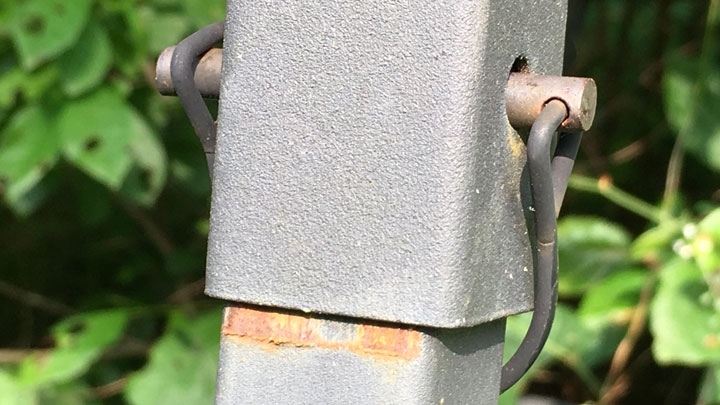
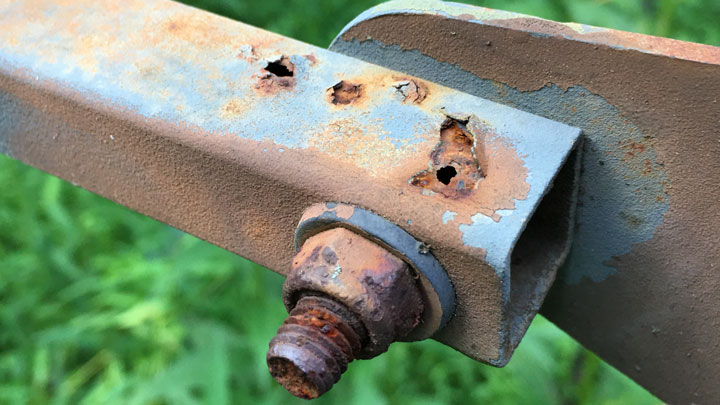
All non-aluminum stands are subject to rust, and usually do so in short order. Typically, the first places to rust are where holes are drilled for bolts or clevis pins, and the ends of tubing—anywhere there’s no protectant. To increase the useful life of your stand, address these areas before the stand has been afield. A rust inhibitor applied at the outset can reduce aggravation later, but once afield, the stand will rust after exposure to moisture.
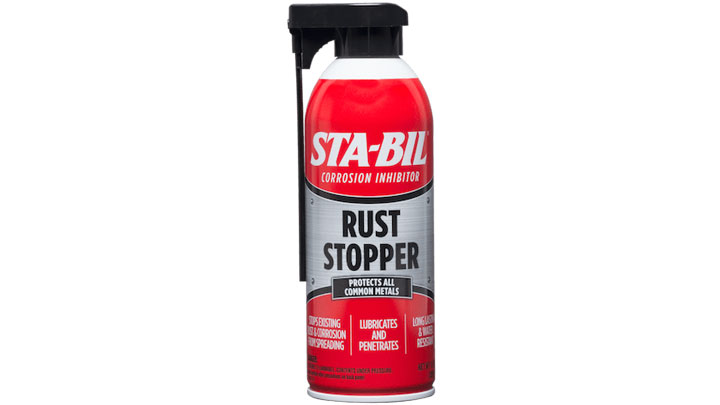
What can you do about established rust? If the surface is prepared, even lightly, a rust encapsulating spray can be used. So too could a rust inhibitor, which can slow its progression. Many of the best products for such were created for the automobile industry, so begin your search there. Normal spray paint alone will cover the rust, increasing the aesthetics of the stand, but will not have any lasting effect on slowing rust. With degradation, the steel loses its strength.
It’s important to begin the stand-saving process well before season. Why? Most chemicals that are meant to attenuate rust emit strong odors; game animals won’t miss them. By starting the process early, it allows the scents to lessen and gives the animals time to become accustomed to it. Your stink will have time to disperse as well.
Rather than inspect and take measures to offset rust while it’s affixed to a tree—or standing, in the case of a tripod—it’s preferable to do stand work on the ground. There, you can be more methodical, while also not worrying about falling. You’ll also have a better view of the bottom legs of the ladder, which rust at an accelerated pace.
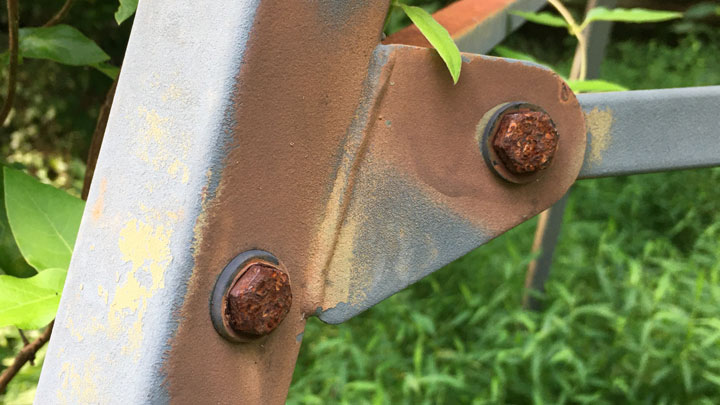
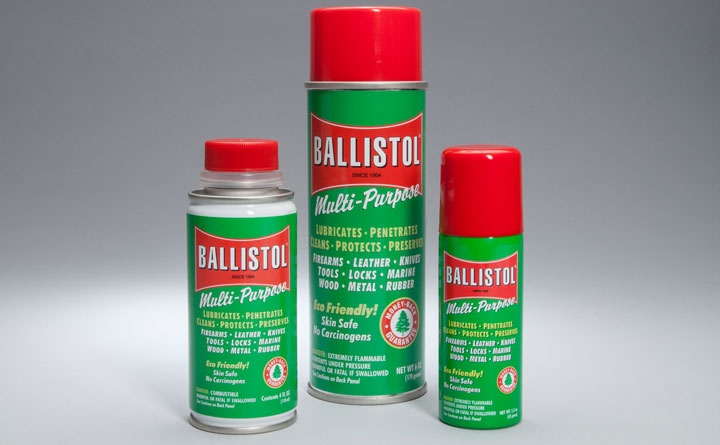
Bolts with light rust can be replaced, and all should be snugged. Lubricant and/or a rust preventative will aid in mitigating additional rust as well as help reduce game-spooking squeaks. Replacement parts can usually be purchased directly from the manufacturer. This includes foam padding and seats, which usually succumb to wear quickly and are evidently perceived as delectable by bears and rodents.
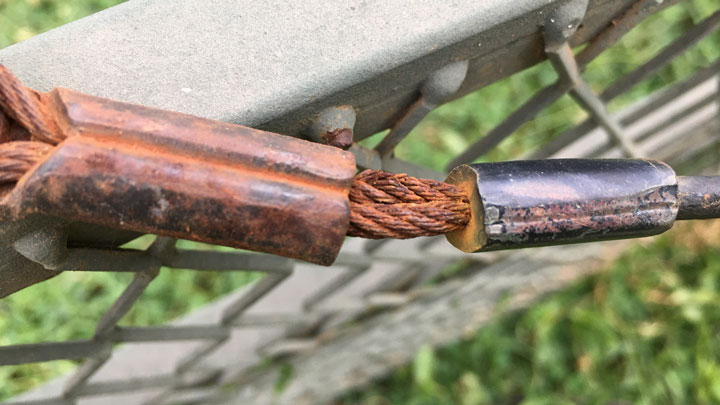
As for climbers and lock-on stands, ensure that the cables are in good condition. The aforementioned stands generally employ coated steel cables, which will rust once the covering (usually plastic) peels or is cut or ripped. Replace any cables with visible signs of rust or replace the stand if they’re not available. Also ensure that platform is unyielding—especially if it’s an expanded-metal bottom. Don’t attempt to reweld it; instead, replace the stand. The same logic applies to the tubing. If rusted through, don’t restore it, replace it. The savings aren’t worth falling.
Damage and Wear
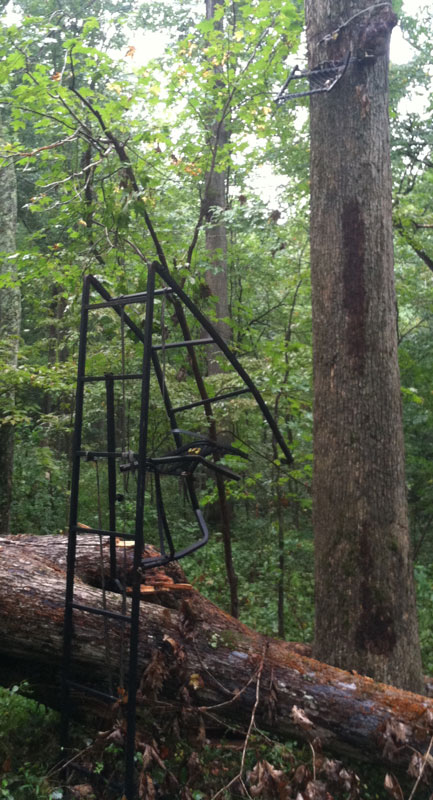
During a squirrel hunt in 2013, I walked by my favorite ladder stand to discover it was in pieces. Vandals? No, it was mother nature. A neighboring tree had fallen directly on it, shearing everything from the footrest down, while leaving the seat cabled to the tree. Glad I wasn’t in it at the time! This shows that stands can be damaged (or destroyed) when afield, and falling branches (or trees) is but one way that stands “give up the ghost.”
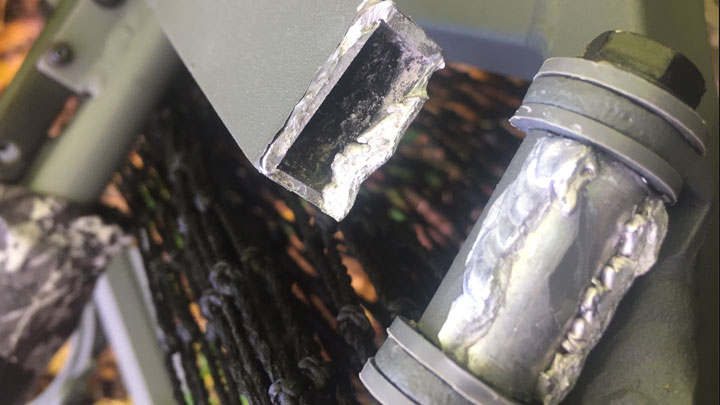
Over time, stands can succumb to bad designs, poor welds, weak (cheap) alloys or deterioration via rust. Inspect your stand thoroughly, looking for signs of wear or cracks. These usually appear first where rust does, as well as at unions of metal and welds. I’ve had poor welds give way on a climbing stand during the first outing—straight out of the box—and it’s a frightening thing once you began ascending. If you note structural damage or anything that could compromise safety, scrap the stand; it’s simply not worth the risk, and the per-year cost of a new, safe stand is relatively low. The same applies to screw-in steps and climbing sticks. Replace them as needed to keep you safe.
Straps and Accessories
Treestands and climbing sticks are usually accompanied by straps to support them. When used properly, these fasteners are sufficient for securing the stand; however, “good enough” never is for me, so I add additional support in the form of heavy-duty ratchet straps. Regardless of what’s used, though, the webbing loses its strength and durability over time, due to exposure. For that reason, the straps must be checked frequently and replaced when damaged or deteriorated.
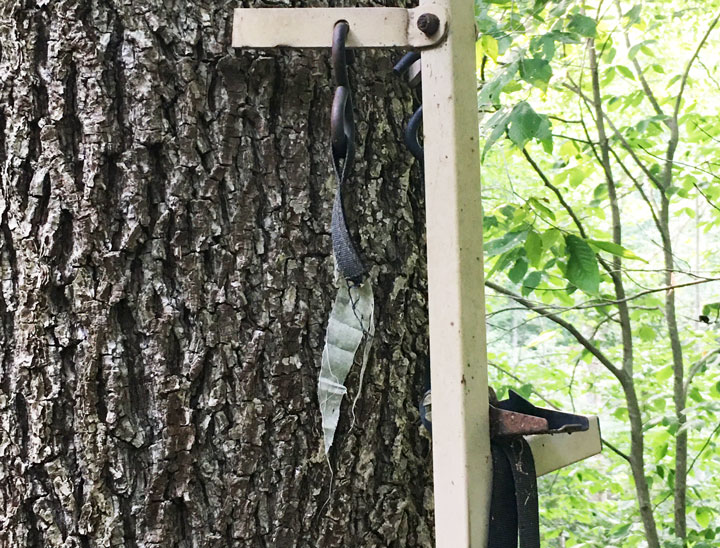
For existing straps that are strong, you might need to resecure them. Trees grow and/or shift, affecting the straps. It could also affect the integrity of the stand itself, as it can make it unstable or deformed. Adjust or swap as needed.
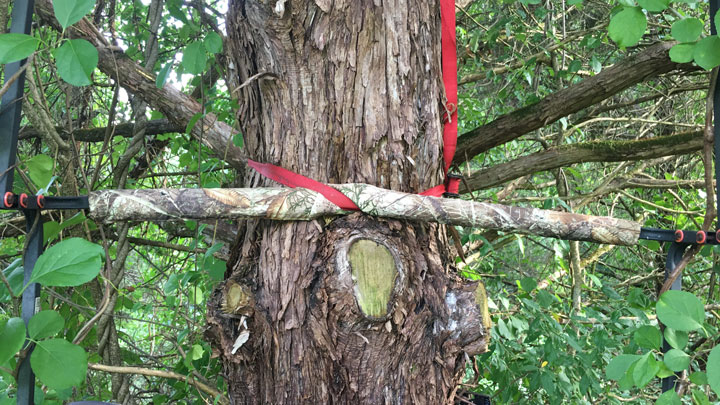
While replacing the securing straps, this is also a good time to exchange your treestand accessory and climbing ropes, as well as evaluate the condition of your treestand harness. Harnesses, like much other safety equipment, aren’t everlasting. If you’ve taken a spill while wearing it, or if it’s more than a few years old, it’s time for a new one. Many harnesses have the date of manufacture on the tag. You might be surprised how long you’ve had it.
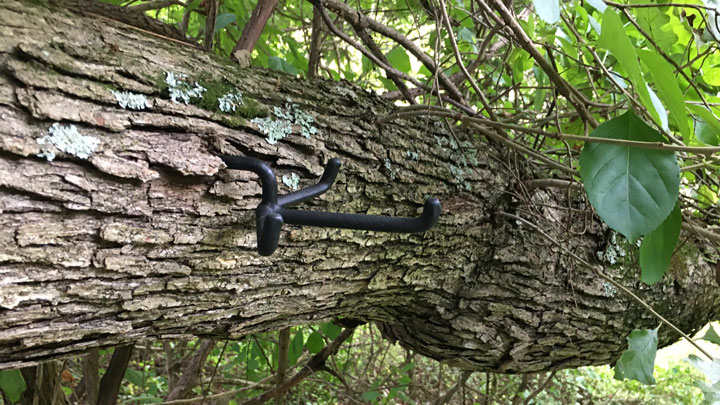
Lastly, closely inspect the condition of your bow hangers (or other suspended items). Make sure that they still provide a secure place to hang gear. The last thing you want is for your new rifle or costly crossbow to take a spill because the hanger backed out or rusted off.
Clearing the Way
Prepare to sweat. Now is the time to break out the pole saw, chainsaw and whatever other tree-chewing tool you have at your disposal. It’s time to clear shooting lanes and approaches to your stands. Best performed with a helper, identify the best shooting lane(s) and remove anything that could spoil a shot. Remember, trees and low-growing vegetation develop nonstop and/or branches break, changing the openness of your shooting lanes. What was clear last year might not be right now. You don’t want that once-in-a-season opportunity to spiral down the commode because of a single branch, do you? Didn’t think so. You can also make noise and cause a stink, with minimal effect right now. Don’t wait until the weekend before the season open, or you will affect the hunt.
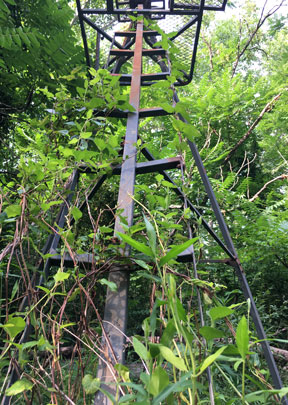
While cutting shooting lanes, also make sure your approach to the stand is clear. You don’t want branches, briars and other annoying flora snagging your gear, causing an unnecessary—and game-spooking—ruckus, not to mention trapping scent on your journey in. You might have to remove vines from your tripod and latter stands, too.
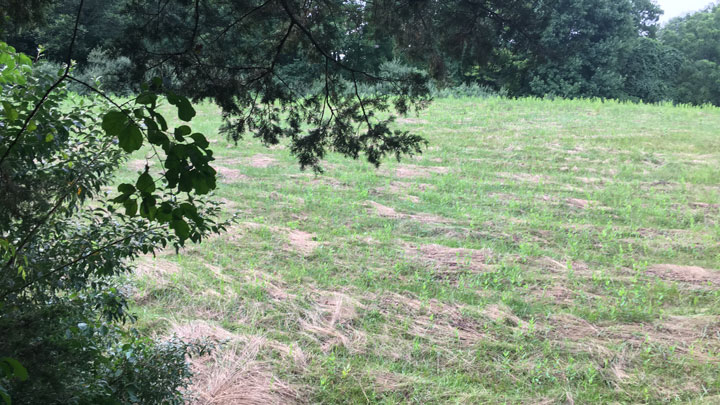
Few hunters desire to break a sweat in summer for a fall pursuit, but that’s the very thing you need to do to be safe and success this upcoming season. Remember, “an ounce of prevention is worth a pound of cure.”