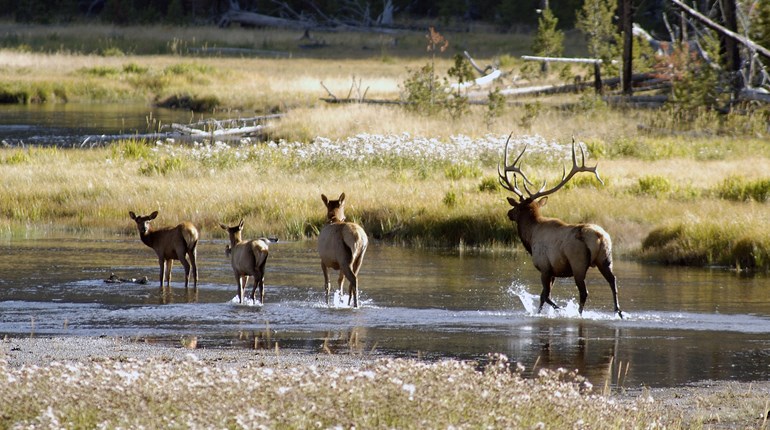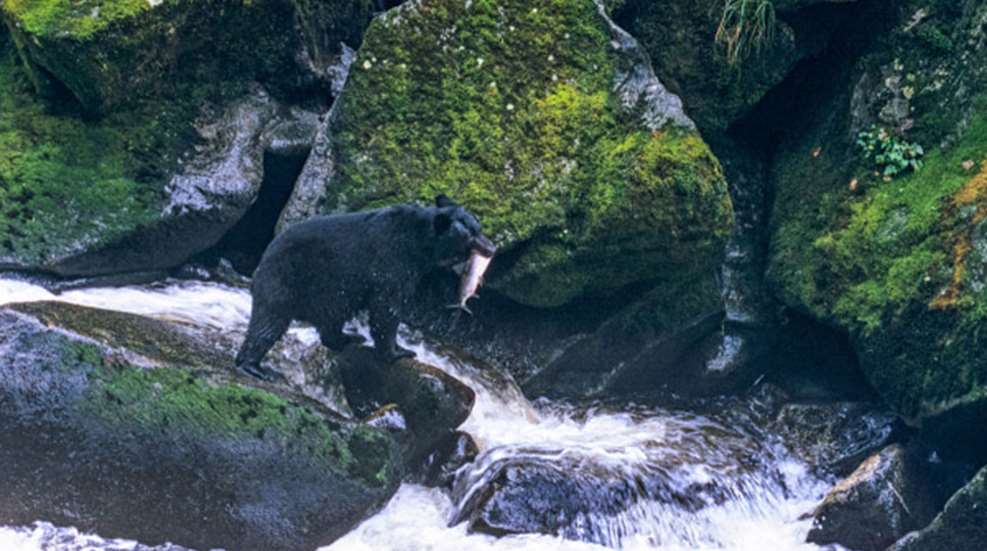
More than half of the Tongass—9.2 million acres—is managed under the direction of the 2001 Roadless Rule. This management plan works to safeguard vital habitat for important fish and wildlife species, including Sitka black-tailed deer, black and brown bear, moose, and even Roosevelt elk. The presence of these creatures, and particularly the chance to hunt them, draw visitors from around the world, fueling the Southeastern Alaska tourism industry.
By safeguarding such undeveloped landscapes in the Tongass, the Roadless Rule supports industries that depend on intact forests and high-quality habitat, like the hunting industry. The rule also has built in flexibility and allows for community development projects when they serve the public interest. Since the Roadless Rule was implemented, all 57 requests for new projects in roadless areas of the Tongass—spanning mining, renewable energy development, and community access—have been granted by the Forest Service.
Now, the U.S. Forest Service plans to lift the Roadless Rule in Alaska.
In January 2018, the State of Alaska petitioned the U.S. Department of Agriculture to allow for the development of a state-specific roadless rule. Many hunting and fishing groups and businesses were willing to consider a compromise option, facilitated by a Citizen’s Advisory Committee, that balanced the need to conserve critical fish and wildlife habitat while allowing some new commercial logging in other areas of the forest.
The opportunity for a compromise solution was all but eliminated last summer, when the White House intervened after an off-the-record meeting between President Trump and Governor Dunleavy. Following that meeting, the Department of Agriculture and the Forest Service were directed to propose the most extreme option: a full exemption of the Roadless Rule in Alaska.
The agency’s proposal, as written, would open 9.2 million acres of public land—more than half of the forest—to industrial development, including 165,000 acres of irreplaceable old-growth forests.
Because of these extreme actions, those who support conservation and wildlife habitat are left with only one option: oppose the Forest Service’s recommendation to lift the Roadless Rule in Alaska.
According to data recently released by the Forest Service, 96 percent of “unique letters” commenting on the draft Tongass proposal support keeping the Roadless Rule in place. Fewer than 1 percent of the 250,000+ comments support the full exemption favored by the administration. Likewise, the Forest Service’s analysis of testimony from 18 subsistence hearings in Southeast Alaska determined that a “vast majority” of local residents support keeping the Roadless Rule and protecting vast swaths of old-growth temperate rainforest from clear-cut logging.
Unless the Forest Service rethinks its proposal for the Tongass, the result will be an unsustainable management framework likely to face legal and long-term political challenges. The uncertainty being created through this effort hurts all stakeholders: rural residents who practice a subsistence lifestyle, small businesses that earn a living from the land, land managers trying to balance the needs of all user groups, and hunters and anglers who dream of visiting Southeast Alaska.
The Forest Service is expected to issue a final decision this summer. Check trcp.org for updates on the situation.