When Federal debuted their Heavyweight TSS (Tungsten Super Shot) turkey loads, the skeptical among us (including myself) were concerned that the smaller pellets in these loads wouldn’t be enough to take down turkeys. At the time, most turkey hunters were using shotshells with pellets ranging from No. 4 to No. 6 shot, and the new TSS loads were flinging No. 7, No. 8 and No. 9 pellets.
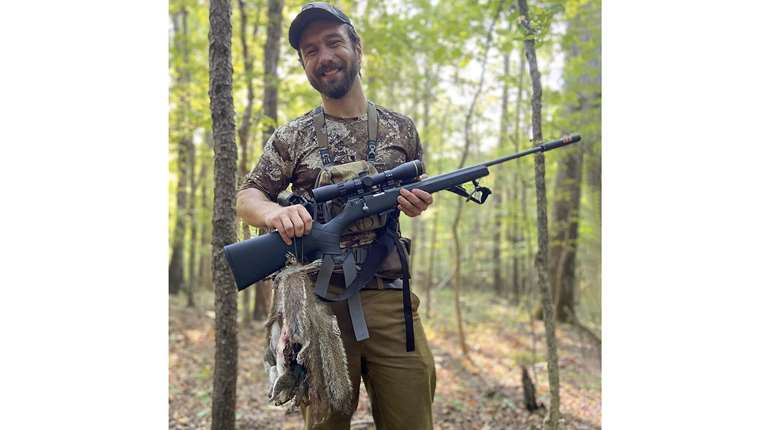
Sure, they patterned very nicely, and the pellets were made of tungsten, which certainly sounded cool. But using essentially dove-hunting-sized pellets for 20-pound toms? It didn’t seem right, to me, anyway. Regardless, ammunition keeps improving, and I decided to try out the new Federal Heavyweight TSS blended turkey loads. I even stepped down a gauge, and used a new 20-gauge Savage Model 220.
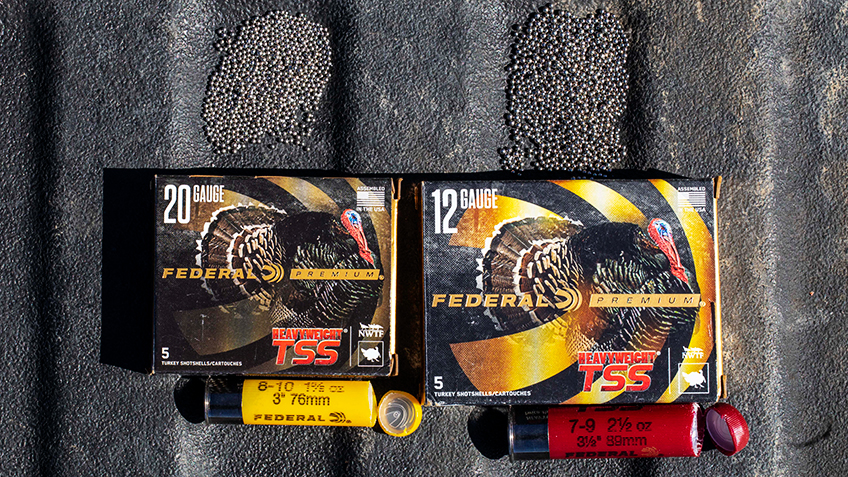
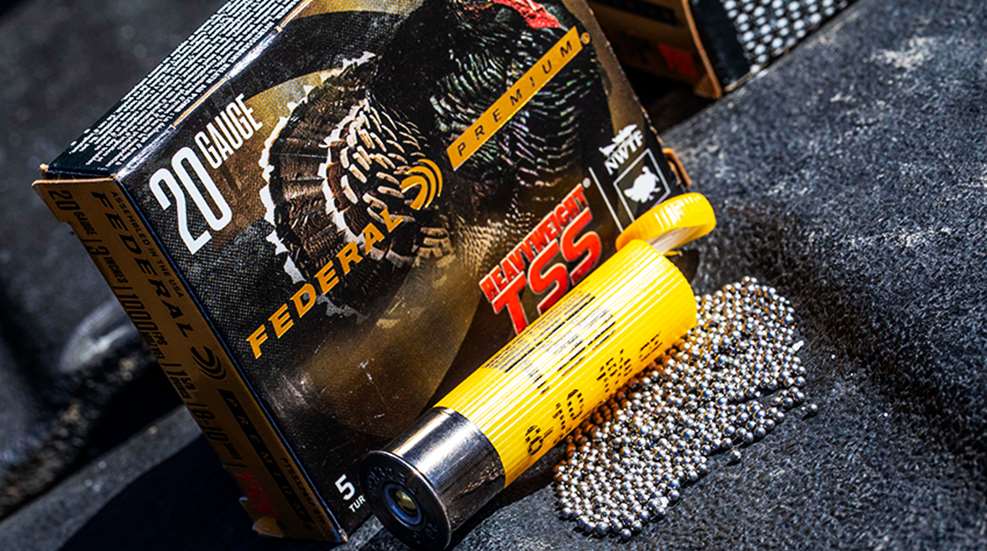
The 20-gauge Heavyweight TSS loads, I discovered, were very impressive. Federal four new blended Heavyweight TSS turkey loads combine TSS tungsten-alloy pellets of two different sizes into one shell. The new loads are available in both 12- and 20-gauge, in the following offerings:
• 12-gauge, 3½-inch, 2½ ounce No. 7/9
• 12-gauge 3½-inch, 2½ ounce No. 8/10
• 20-gauge, 3-inch, 1⅝ ounce No. 7/9
• 20-gauge, 3-inch, 1⅝ ounce No. 8/10
Yes, that’s right: not only small No. 7 pellets mixed with even smaller No. 9s, but No. 8 mixed with tiny No. 10s! I used the two 20-gauge versions at the range, and the No. 7/9 load in the field, and accuracy was outstanding.
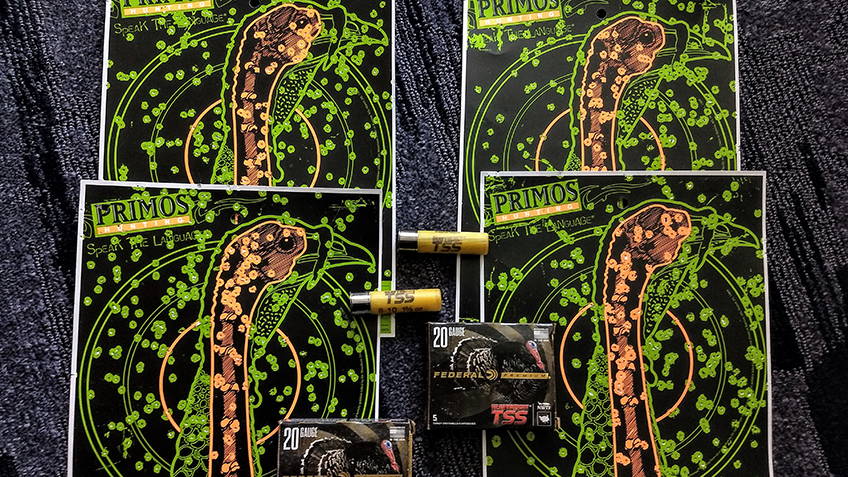
At the range, I shot from a rest at 35 yards, and used Primos VisiShot Turkey Targets. For the 20-gauge No. 7/9 loads, I averaged 27 pellets in the vital zones of the neck and head, and another 170 pellets in the target’s 8-inch diameter circle. For the 20-gauge No. 8/10 loads, I averaged 26 pellet strikes to the head and neck zones, and another 180 pellets within the 8-inch circle, an average of 206 pellets on paper.
In the field, I took a Rio Grande tom at 31 yards, aiming for his head as he put his beak to the ground, and I counted at least a dozen pellet strikes to the head. There may well have been more, but the head was fairly “jellied,” therefore it was hard to get a complete count.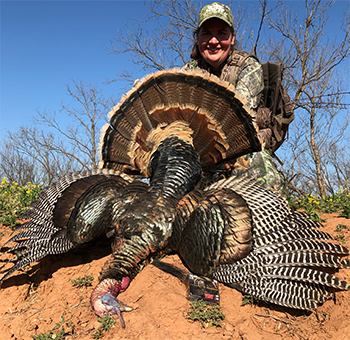
On the same hunt, outdoor writer Kristin Alberts used the new 20-gauge Heavyweight TSS No. 8/10 shells. Despite much calling and coaxing, her Rio wouldn’t get closer than 53 yards; when its head popped up above a tangle of brush, Alberts took the shot and dropped the gobbler where he stood.
Obviously, you can fit more of the smaller pellets into a shell versus traditional No. 4, No. 5 and No. 6 sized pellets. Average pellet counts for the new blended Heavyweight TSS shells are as follows:
• 12-gauge, 3½-inch, 2½ ounce No. 7/9; Average Pellet Count: 718
• 12-gauge 3½-inch, 2½ ounce No. 8/10; Average Pellet Count: 1,006
• 20-gauge, 3-inch, 1⅝ ounce No. 7/9; Average Pellet Count: 470
• 20-gauge, 3-inch, 1⅝ ounce No. 8/10; Average Pellet Count: 653
For comparison, there are approximately 233 pellets in a standard 20-gauge, 3-inch shell loaded with 1 5/16 ounces of No. 5 shot. For a 12-gauge comparison, Federal’s Grand Slam Copper-Plated 3.5-inch shells loaded with 2 ounces of No. 5 shot hold just 340 pellets.
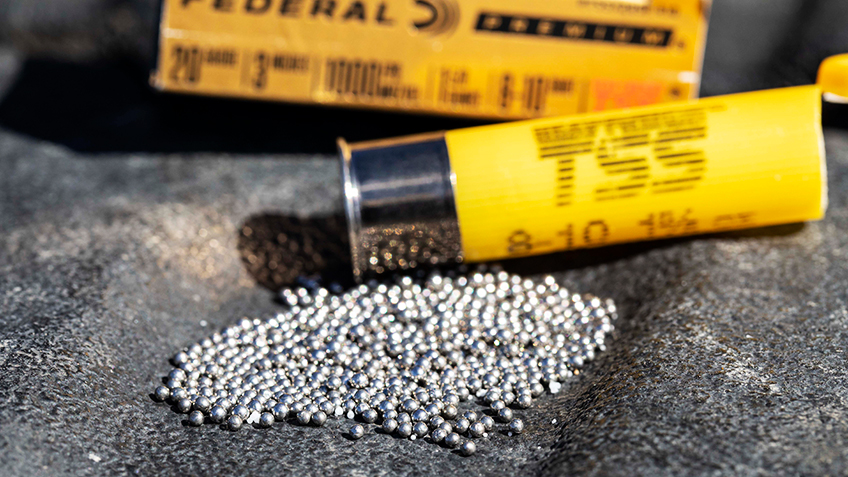
As far as penetration goes, the north Texas Rios Alberts and I encountered could tell you the penetration of these smallish pellets is amazing—if they could talk and were still alive. Federal has revamped the composition of the TSS pellets, and the ones in the new turkey loads have 22 percent higher density than the standard tungsten used in past TSS loads, and 56 percent more density than lead. That means great penetration, even at distances where the lighter lead pellets would deliver less power.
The blended Heavyweight TSS turkey loads are expensive, with the suggested retail of $46.95 for the 20-gauge shells and $63.95 for 12-gauge. I found the 20-gauge options online for as low as $35 per box—though that’s still a good chunk of cash for five shotgun shells. However, a 5-pack of Heavyweight TSS blended shells should result in five dead toms, if the hunter does his or her part. Plus, a portion of the sales for every box of blended TSS goes to the National Wild Turkey Federation to assist the group with their conservation work in keeping our turkey hunting heritage alive.
If all your turkeys come within 25 yards, you don’t need the Heavyweight TSS shells, but if you are willing and able to take longer shots? These new TSS loads should be among your top shotshell choices.